The Alchemy of Efficiency: How Predictive Quality Control and Human-Centric Production Are Crafting the Future of Smart Factories
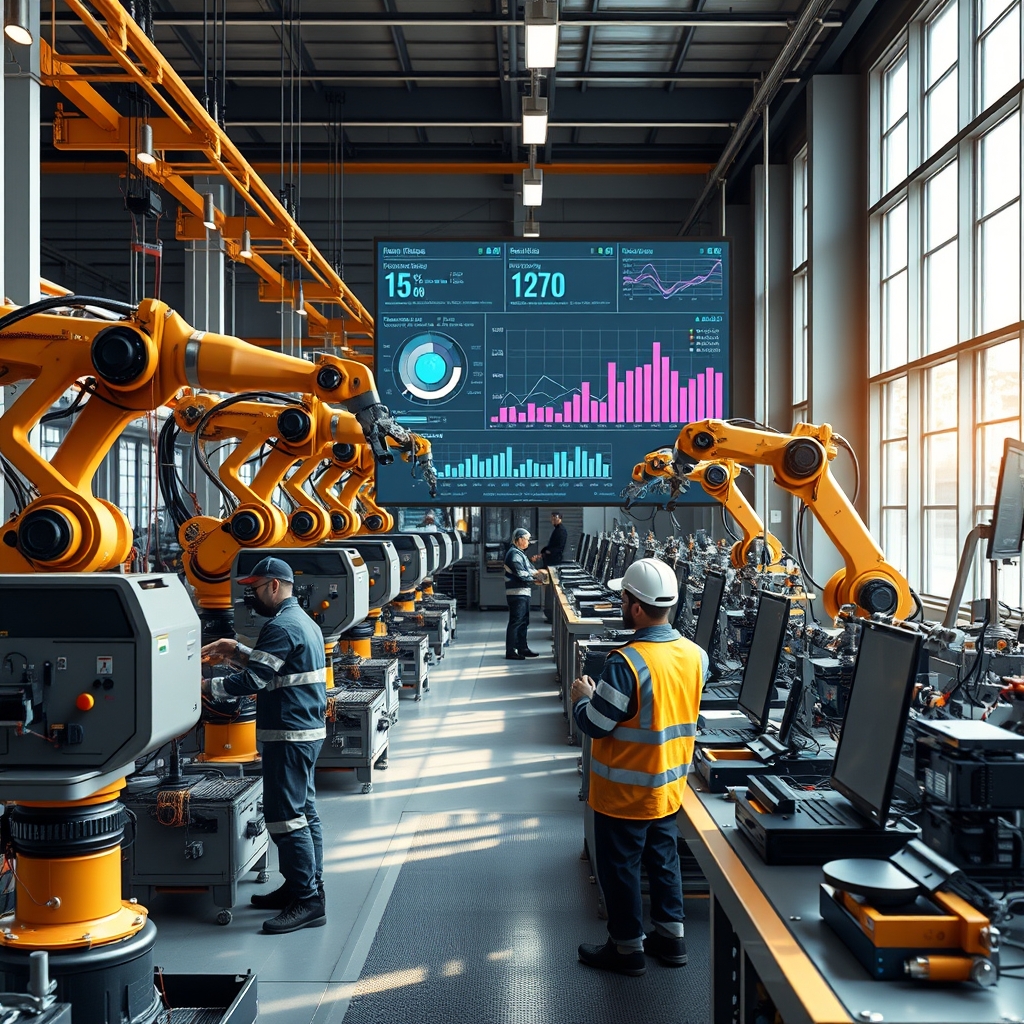
In the heart of the industrial revolution, a new symphony is being composed. It’s a melody of data, humans, and machines, all working in harmony to create the smart factories of tomorrow. At the forefront of this revolution are two key elements: predictive quality control and human-centric production. These elements are not just trends; they are the building blocks of a more efficient, agile, and sustainable manufacturing landscape.
The Symphony of Smart Factories
The concept of smart factories is not new. It’s been a topic of discussion for several years now, but the recent advancements in technology have given it a new lease on life. Smart factories are characterized by their ability to integrate data, people, and processes to create a more efficient and responsive manufacturing environment. They are the factories of the future, and they are being shaped by the alchemy of efficiency.
Predictive Quality Control: The Alchemist’s Stone
Predictive quality control is the alchemist’s stone of the smart factory. It’s a process that uses data analytics to predict potential quality issues before they occur. This is not just about catching defects; it’s about preventing them. By analyzing data from various sources, such as sensors, machines, and employees, predictive quality control can identify patterns and trends that indicate potential quality issues. This allows manufacturers to take corrective action before a defect is even produced.
Imagine a scenario where a machine is producing a component that is slightly out of specification. Traditionally, this might go unnoticed until the component is inspected, at which point it’s too late to do anything about it. With predictive quality control, this component might be flagged as a potential issue, and corrective action can be taken to prevent it from happening again.
Human-Centric Production: The Alchemist’s Apprentice
While predictive quality control is the alchemist’s stone, human-centric production is the alchemist’s apprentice. It’s about putting the human element at the center of the manufacturing process. This is not just about making the workplace more comfortable or ergonomic; it’s about empowering employees to contribute to the manufacturing process in a meaningful way.
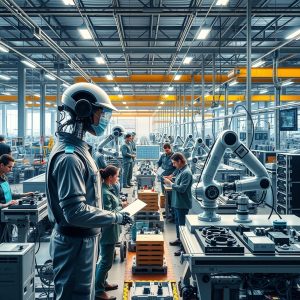
In a human-centric production environment, employees are not just cogs in the machine. They are integral parts of the process. They can provide valuable insights and feedback that can be used to improve the manufacturing process. They can also be trained to perform tasks that are not suitable for machines, such as quality inspection or problem-solving.
The Alchemy of Efficiency
The alchemy of efficiency is the result of the interplay between predictive quality control and human-centric production. It’s about creating a manufacturing environment where data, humans, and machines work together to create a more efficient and responsive manufacturing process.
Data-Driven Decision Making
Predictive quality control provides the data that is essential for data-driven decision making. By analyzing data from various sources, manufacturers can make informed decisions about the manufacturing process. This can lead to improved quality, reduced waste, and increased efficiency.
For example, predictive quality control can help manufacturers identify the root cause of a quality issue. This information can then be used to make changes to the manufacturing process that will prevent the issue from occurring again. This is a far cry from the traditional approach of fixing the issue after it has occurred.
Empowering the Workforce
Human-centric production empowers the workforce to contribute to the manufacturing process in a meaningful way. This can lead to improved morale, increased engagement, and a more skilled workforce. A skilled workforce is a valuable asset, and it’s one that should be nurtured and developed.
For example, employees can be trained to perform quality inspections or to identify potential quality issues. This can lead to a more thorough and accurate quality control process. It can also lead to a more engaged and motivated workforce, which can have a positive impact on the manufacturing process as a whole.
The Future of Smart Factories
The future of smart factories is bright. The alchemy of efficiency, with its focus on predictive quality control and human-centric production, is set to revolutionize the manufacturing landscape. It’s a future where data, humans, and machines work together to create a more efficient, agile, and sustainable manufacturing process.
As we look to the future, it’s clear that the alchemy of efficiency will continue to play a key role in the evolution of smart factories. It’s a role that will be shaped by the interplay between predictive quality control and human-centric production. It’s a role that will be defined by the data that is generated by the manufacturing process, and the insights that can be gained from that data. It’s a role that will be defined by the empowerment of the workforce, and the meaningful contribution that they can make to the manufacturing process.
In the end, the alchemy of efficiency is not just about creating a more efficient manufacturing process. It’s about creating a more sustainable and resilient manufacturing landscape. It’s about creating a manufacturing environment that is capable of adapting to the challenges of the future, and of meeting the needs of the present. It’s about creating a manufacturing environment that is capable of delivering value to customers, and of contributing to the well-being of society as a whole.