The Synergy of Human-Centric Production and Predictive Quality Control in Smart Factories
The modern manufacturing landscape is undergoing a seismic shift, driven by the convergence of advanced technologies and a renewed focus on the human element. At the heart of this transformation lies the concept of human-centric production, a philosophy that prioritizes the well-being, skills, and creativity of the workforce while leveraging automation to enhance productivity. When combined with predictive quality control, this approach not only optimizes operational efficiency but also ensures that the products rolling off the assembly line meet the highest standards of quality and reliability.
The Evolution of Human-Centric Production
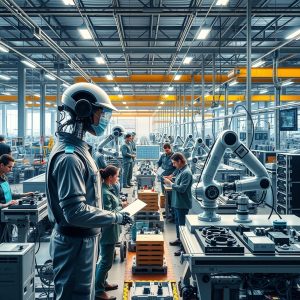
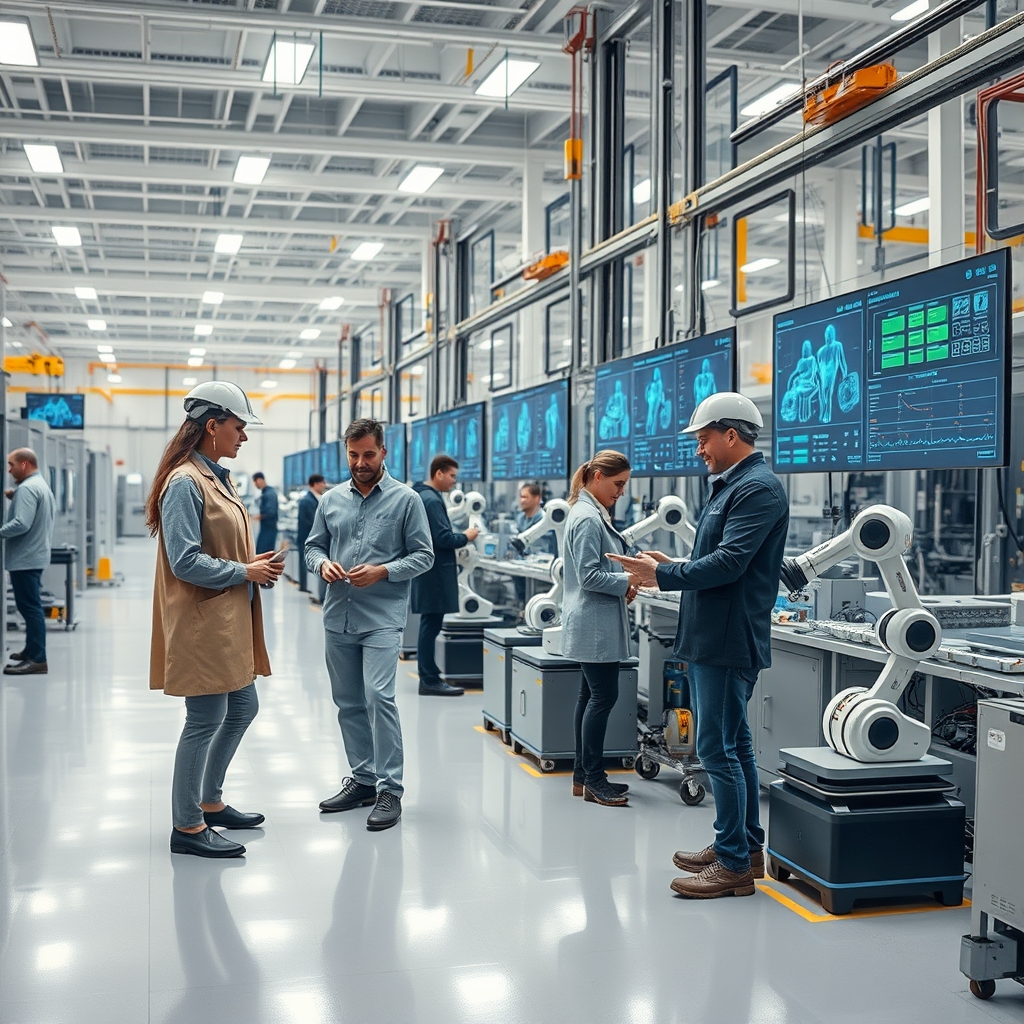
Human-centric production is not a rejection of automation but rather a strategic integration of human expertise with cutting-edge technology. In smart factories, where collaborative robotics and real-time process analytics dominate, the role of the human worker is evolving from repetitive task execution to overseeing complex systems, making critical decisions, and driving innovation. This shift is essential for fostering a dynamic and adaptable manufacturing environment, where workers are empowered to contribute meaningfully to the production process.
One of the key enablers of human-centric production is tech-enabled workforce training. As manufacturing processes become more sophisticated, the need for continuous upskilling becomes paramount. Virtual reality (VR) and augmented reality (AR) are increasingly being used to simulate real-world scenarios, allowing workers to practice and refine their skills in a risk-free environment. This not only accelerates the learning curve but also boosts confidence and job satisfaction, leading to a more engaged and productive workforce.
Collaborative Robotics: A Force Multiplier for Human Workers
Collaborative robots, or cobots, are designed to work alongside human operators, taking on repetitive, physically demanding, or hazardous tasks while leaving the more intricate and creative aspects of production to their human counterparts. This symbiotic relationship enhances both safety and efficiency, as cobots can operate around the clock without fatigue, while humans bring their problem-solving abilities and adaptability to the table.
For example, in an automotive assembly line, cobots can handle the heavy lifting of installing car doors or windshields, while human workers focus on quality checks, fine-tuning alignments, and addressing any anomalies. This division of labor not only speeds up production but also reduces the risk of workplace injuries, creating a safer and more sustainable work environment.
Predictive Quality Control: The Proactive Approach to Manufacturing Excellence
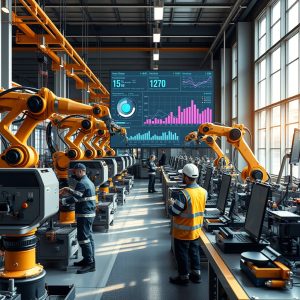
Predictive quality control represents a paradigm shift from reactive to proactive quality management. By harnessing the power of real-time process analytics and machine learning, manufacturers can identify potential defects or deviations in the production process before they occur. This not only minimizes waste and rework but also ensures that the final product consistently meets or exceeds customer expectations.
At the core of predictive quality control is the digital twin, a virtual replica of the physical manufacturing process. Digital twins enable manufacturers to simulate and analyze every aspect of production, from material flow to machine performance, in real time. By feeding data from sensors and IoT devices into the digital twin, manufacturers can detect patterns and anomalies that may indicate impending quality issues. This allows for timely interventions, such as adjusting machine settings or replacing worn-out components, before defects manifest.
Data-Driven Insights for Continuous Improvement
The integration of predictive quality control with human-centric production creates a feedback loop that drives continuous improvement. Workers on the shop floor can use real-time data to make informed decisions, while quality control teams can leverage historical data to identify trends and root causes of defects. This data-driven approach fosters a culture of accountability and innovation, where every team member is empowered to contribute to the pursuit of operational excellence.
For instance, if a particular machine consistently produces components with slight dimensional variations, the data can be analyzed to determine whether the issue stems from machine calibration, tool wear, or environmental factors. Armed with this insight, maintenance teams can take corrective action, and operators can adjust their processes to mitigate the risk of defects. Over time, this iterative process leads to higher product quality, reduced waste, and improved customer satisfaction.
Sustainable and Ethical Manufacturing: A Competitive Advantage
The synergy between human-centric production and predictive quality control also extends to sustainability and ethical sourcing. By minimizing waste and optimizing resource usage, manufacturers can reduce their environmental footprint while simultaneously lowering production costs. Predictive quality control plays a crucial role in this regard by ensuring that materials are used efficiently and that defective products are identified and addressed before they reach the customer.
Moreover, human-centric production fosters a culture of transparency and accountability, which is essential for ethical sourcing. Workers who are empowered and engaged are more likely to adhere to ethical standards and report any irregularities in the supply chain. This not only enhances the company’s reputation but also builds trust with customers and stakeholders who prioritize sustainability and ethical practices.
In an era where consumers are increasingly conscious of the environmental and social impact of their purchases, manufacturers that embrace human-centric production and predictive quality control are well-positioned to gain a competitive edge. By demonstrating a commitment to quality, sustainability, and ethical sourcing, these companies can attract and retain customers who value responsible manufacturing practices.
The future of manufacturing lies in the seamless integration of human expertise and advanced technologies. As smart factories continue to evolve, the focus on human-centric production and predictive quality control will become even more critical. By empowering workers with the tools and training they need to excel, and by leveraging data-driven insights to proactively address quality issues, manufacturers can achieve unparalleled levels of efficiency, innovation, and sustainability. This holistic approach not only drives operational excellence but also ensures that the factories of tomorrow are built on a foundation of human ingenuity and technological prowess, creating a brighter future for the industry and the world at large.