Sustainable Supply Chains and Ethical Sourcing: The Heart of Next-Gen Manufacturing
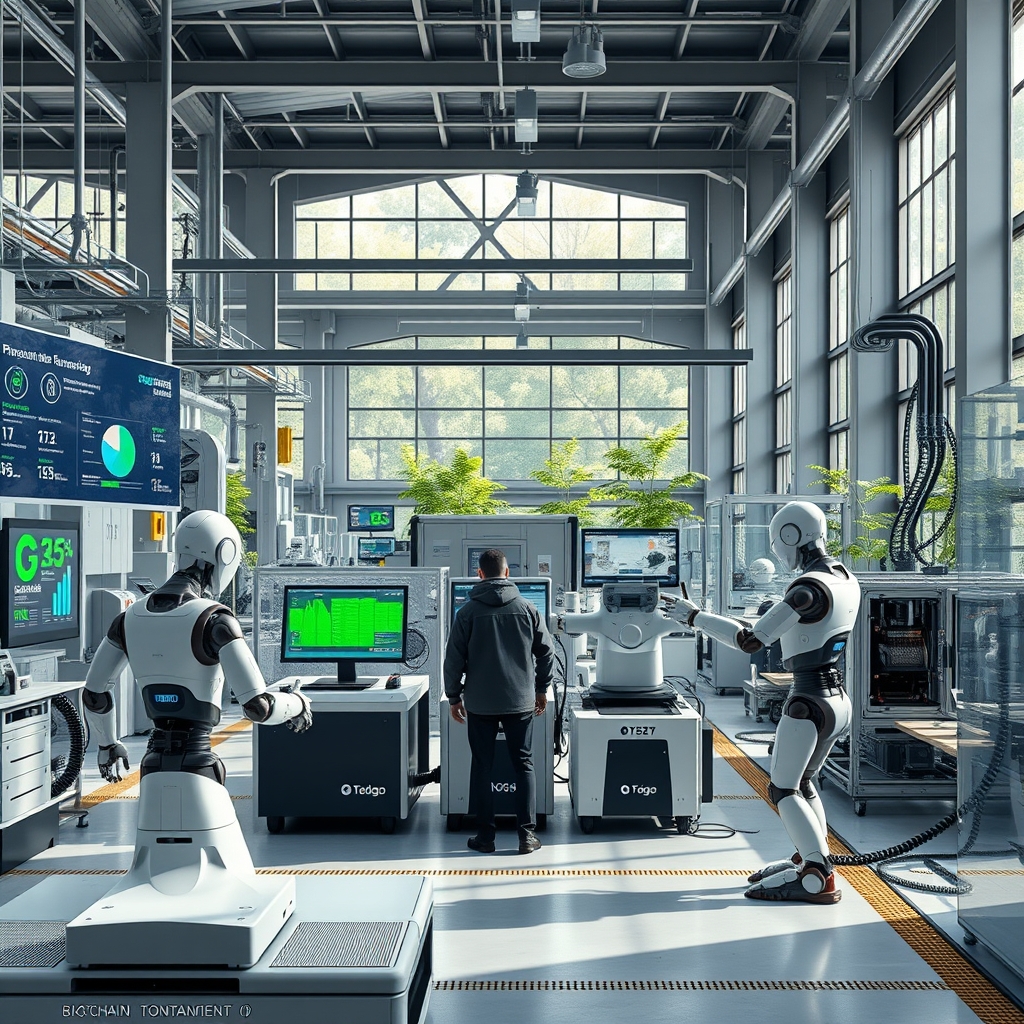
The manufacturing landscape is undergoing a profound transformation, driven by technological advancements and an increasing emphasis on sustainability. At the core of this evolution lies the concept of sustainable supply chains, which are no longer a mere option but a necessity for businesses aiming to thrive in the modern industrial ecosystem. Ethical sourcing, transparency, and environmental responsibility are reshaping how companies approach production, from raw material procurement to final product delivery.
The Rise of Ethical Sourcing Transparency
Ethical sourcing has emerged as a cornerstone of sustainable manufacturing, addressing concerns about labor practices, environmental impact, and corporate accountability. Consumers and regulators alike are demanding greater transparency in supply chains, pushing manufacturers to adopt practices that ensure fair labor conditions, responsible resource extraction, and minimal environmental harm. Technologies such as blockchain and IoT-enabled tracking systems are playing a pivotal role in this shift, providing real-time visibility into the origins and journey of materials.
For instance, blockchain platforms enable manufacturers to create immutable records of every transaction and movement within the supply chain. This not only enhances traceability but also builds trust with consumers who are increasingly conscious of the ethical implications of their purchases. Companies that embrace ethical sourcing are not only mitigating risks but also gaining a competitive edge by aligning with the values of a growing segment of the market.
Integrating Sustainability into Smart Factory Integration
Smart factory integration is another critical component of sustainable manufacturing. By leveraging technologies like AI, machine learning, and real-time process analytics, manufacturers can optimize resource usage, reduce waste, and minimize energy consumption. Predictive quality control systems, for example, can identify potential defects early in the production process, reducing the need for rework and scrap. This not only improves efficiency but also contributes to a more sustainable production cycle.
Digital twin manufacturing takes this a step further by creating virtual replicas of physical production systems. These digital twins allow manufacturers to simulate and analyze different scenarios, identifying opportunities to reduce energy use, optimize material flow, and improve overall sustainability. By integrating sustainability metrics into these digital models, companies can make data-driven decisions that align with their environmental goals.
Lean Operational Excellence and Waste Reduction
Lean operational excellence has long been a guiding principle for manufacturers seeking to eliminate waste and improve efficiency. In the context of sustainable supply chains, lean principles are being reimagined to focus not only on cost reduction but also on environmental impact. Techniques such as just-in-time inventory management, value stream mapping, and continuous improvement (Kaizen) are being adapted to prioritize sustainability alongside traditional efficiency metrics.
For example, modular manufacturing systems enable companies to produce goods in smaller, more flexible batches, reducing overproduction and excess inventory. This not only cuts costs but also minimizes waste, aligning with the principles of a circular economy. Similarly, additive manufacturing workflows, such as 3D printing, allow for on-demand production, reducing the need for large-scale manufacturing runs and the associated resource consumption.
Human-Centric Production and the Tech-Enabled Workforce
While technology plays a crucial role in sustainable manufacturing, the human element remains indispensable. Human-centric production emphasizes the importance of empowering workers with the tools and training they need to contribute to sustainability goals. Tech-enabled workforce training programs, for instance, equip employees with the skills to operate advanced machinery, interpret real-time analytics, and implement sustainable practices in their daily tasks.
Collaborative robotics deployment is another area where human-machine interaction is driving sustainability. Cobots, or collaborative robots, work alongside human operators to perform repetitive or hazardous tasks, improving safety and efficiency. By automating these processes, manufacturers can reduce energy consumption and waste while freeing up workers to focus on higher-value activities that contribute to sustainability.
Preventive Equipment Maintenance and Longevity
Preventive equipment maintenance is a key strategy for extending the lifespan of manufacturing assets and reducing the environmental impact of production. By using sensors and real-time analytics to monitor equipment health, manufacturers can predict and address potential issues before they lead to breakdowns or inefficiencies. This not only reduces downtime but also minimizes the need for replacement parts and the associated resource consumption.
For example, predictive maintenance systems can analyze data from machinery to identify patterns that indicate impending failures. By addressing these issues proactively, manufacturers can avoid costly repairs, reduce energy waste, and extend the life of their equipment. This approach aligns with the broader goals of sustainable manufacturing by promoting resource efficiency and reducing waste.
The Future of Sustainable Supply Chains
As manufacturers continue to embrace sustainable practices, the integration of ethical sourcing, smart factory technologies, and human-centric production will become increasingly critical. The shift toward sustainable supply chains is not just about compliance or cost savings; it is about redefining the role of manufacturing in society. Companies that prioritize transparency, efficiency, and environmental responsibility will not only future-proof their operations but also contribute to a more sustainable and equitable global economy.
The journey toward sustainability is ongoing, and the challenges are complex. However, by leveraging the latest technologies and fostering a culture of continuous improvement, manufacturers can turn these challenges into opportunities. The factories of tomorrow will not only be smarter and more efficient but also more responsible, setting a new standard for what it means to produce goods in the 21st century. As these innovations take hold, the line between profitability and sustainability will blur, revealing a future where both can coexist harmoniously.