Revolutionizing Manufacturing: The Role of Digital Twin Technology in Smart Factories
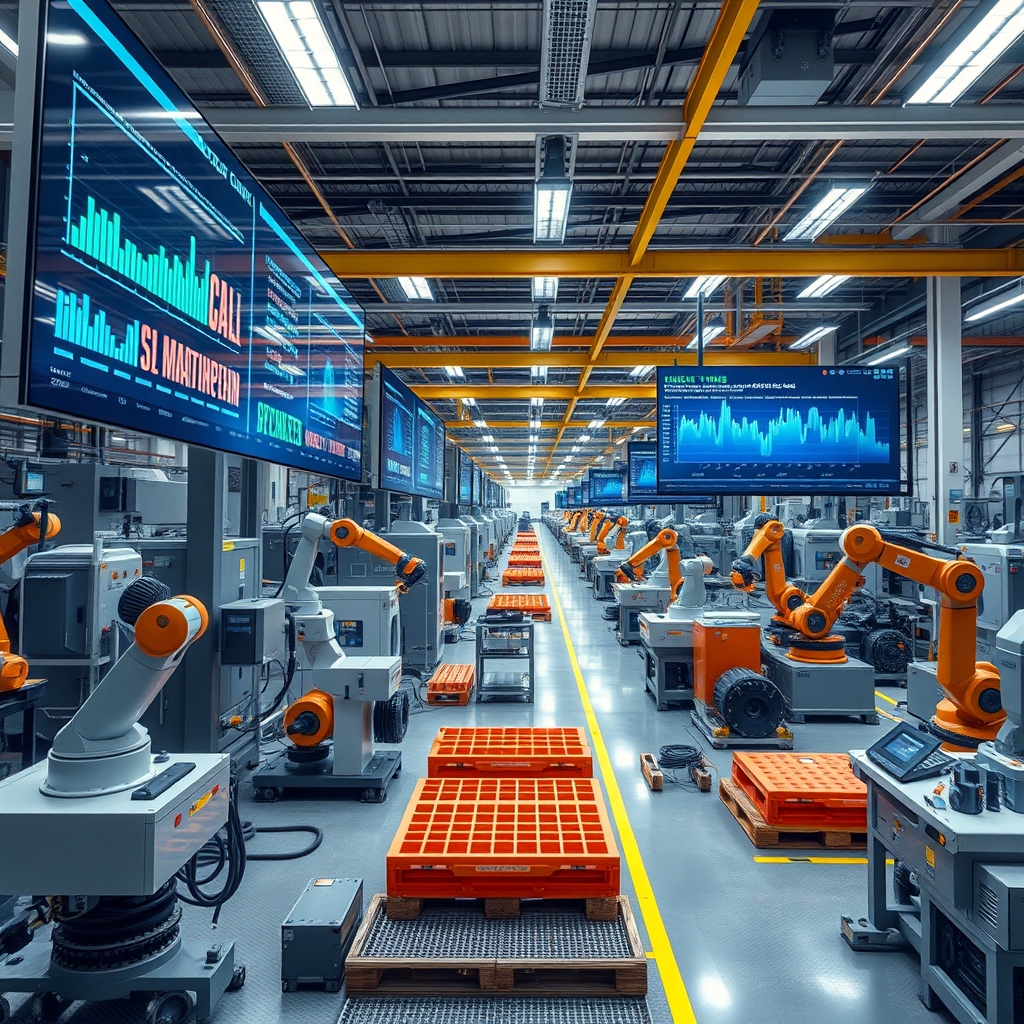
In the rapidly evolving landscape of manufacturing, the integration of digital twin technology is emerging as a game-changer. Digital twins, virtual replicas of physical systems, are transforming the way factories operate, enhancing efficiency, and driving innovation. This article explores the multifaceted role of digital twin technology in smart factories, highlighting its impact on various aspects of manufacturing.
Enhancing Predictive Quality Control
One of the most significant advantages of digital twin technology is its ability to enhance predictive quality control. By creating a virtual model of the manufacturing process, digital twins allow for real-time monitoring and analysis of production data. This enables manufacturers to identify potential quality issues before they occur, ensuring that products meet the highest standards of quality and reliability.
Real-Time Process Analytics
Digital twins facilitate real-time process analytics, providing manufacturers with valuable insights into their operations. By continuously collecting and analyzing data from the physical system, digital twins can detect anomalies, optimize processes, and improve overall efficiency. This real-time feedback loop is crucial for maintaining high levels of productivity and quality in smart factories.
Fostering Human-Centric Production
Digital twin technology also plays a pivotal role in fostering human-centric production. By simulating various scenarios and optimizing workflows, digital twins help create safer and more ergonomic work environments. This not only improves worker satisfaction but also enhances productivity and reduces the risk of injuries. Additionally, digital twins can be used to train workers, providing them with a virtual environment to practice and refine their skills.
Collaborative Robotics Deployment
In the context of collaborative robotics, digital twins enable seamless integration of human and robotic workers. By simulating the interaction between humans and robots, digital twins help optimize the deployment of collaborative robots, ensuring that they work harmoniously with human operators. This collaborative approach enhances efficiency, reduces errors, and improves overall productivity.
Driving Sustainable Supply Chains
Digital twin technology is also instrumental in driving sustainable supply chains. By creating virtual models of the entire supply chain, digital twins enable manufacturers to identify inefficiencies, reduce waste, and optimize resource allocation. This not only enhances sustainability but also improves the overall resilience and agility of the supply chain.
Ethical Sourcing Transparency
Furthermore, digital twins can enhance ethical sourcing transparency. By providing a comprehensive view of the supply chain, digital twins enable manufacturers to track the origin of materials, ensure compliance with ethical standards, and build trust with consumers. This transparency is crucial for maintaining a positive brand image and meeting the growing demand for ethical and sustainable products.
As the manufacturing industry continues to evolve, the role of digital twin technology in smart factories will become increasingly important. By enhancing predictive quality control, fostering human-centric production, driving sustainable supply chains, and enabling ethical sourcing transparency, digital twins are revolutionizing the way factories operate. As we look to the future, the integration of digital twin technology will be key to creating smarter, more efficient, and more sustainable manufacturing processes. The potential of digital twin technology is vast, and its impact on the manufacturing industry is only just beginning to be realized.