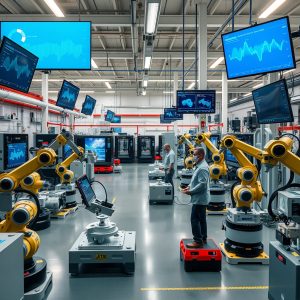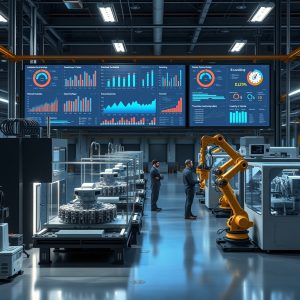
The Symphony of Smart Factories: How Predictive Quality Control and Human-Centric Production Are Crafting the Future of Manufacturing
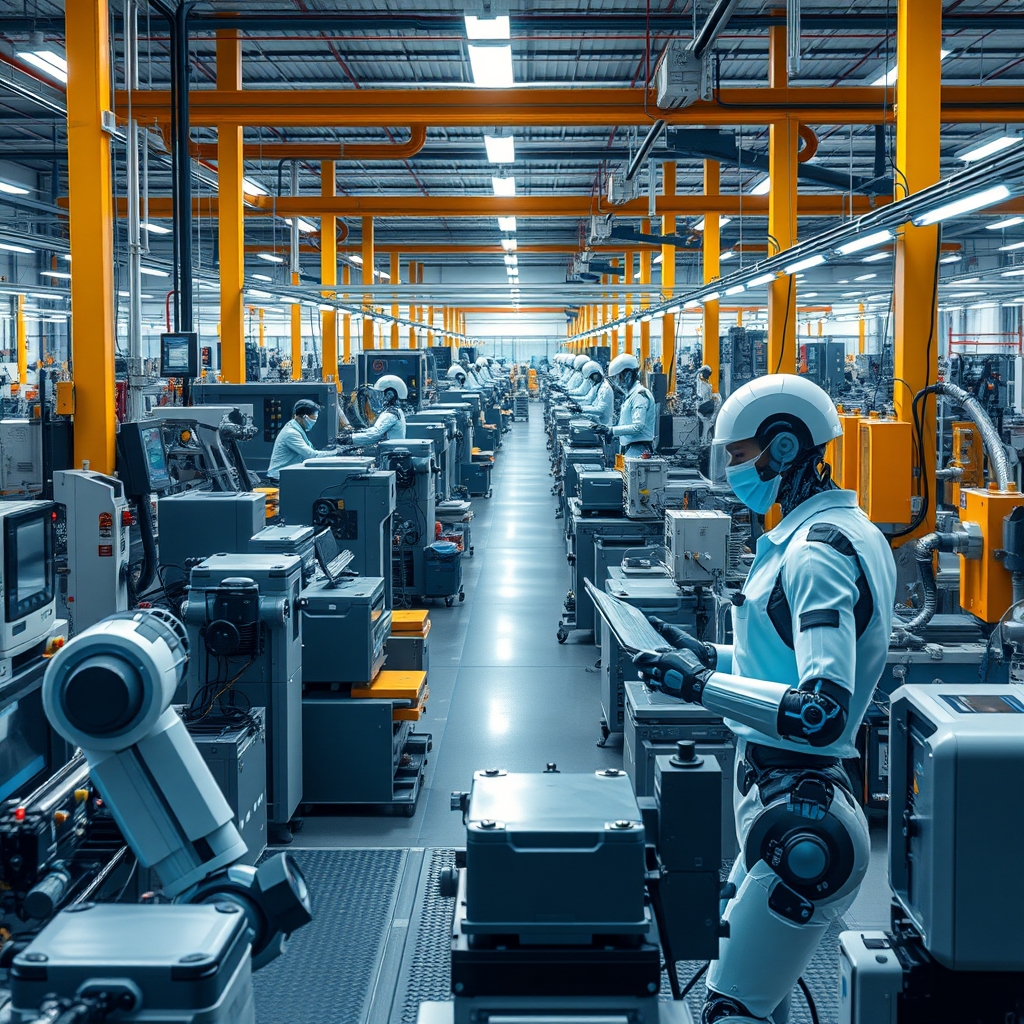
In the heart of the industrial revolution, smart factories are emerging as the new norm, orchestrating a symphony of innovation that blends the precision of technology with the ingenuity of human expertise. At the core of this transformation lies the harmonious integration of predictive quality control and human-centric production, creating a manufacturing ecosystem that is not only efficient but also sustainable and agile.
The Conductor of the Smart Factory Orchestra
Predictive quality control serves as the conductor of this orchestra, ensuring that every note is played in perfect harmony. By leveraging real-time data analytics and machine learning algorithms, predictive quality control anticipates potential defects and deviations in the production process, allowing for proactive measures to be taken. This proactive approach not only enhances product quality but also reduces waste and downtime, making the manufacturing process more efficient and cost-effective.
The Role of Data-Driven Decision Making
At the heart of predictive quality control is data-driven decision making. Sensors and IoT devices embedded throughout the factory floor generate a wealth of data, which is then analyzed to identify patterns and trends. This data is used to create predictive models that can forecast potential quality issues before they occur. By acting on these predictions, manufacturers can implement corrective actions in real-time, ensuring that products meet the highest quality standards.
The Importance of Real-Time Process Analytics
Real-time process analytics is another critical component of predictive quality control. By continuously monitoring the production process, manufacturers can detect anomalies and deviations from the norm. This real-time feedback loop enables quick adjustments to be made, ensuring that the production process remains on track. Real-time process analytics also provides valuable insights into the performance of the production line, allowing manufacturers to identify areas for improvement and optimize the overall efficiency of the factory.
The Human Touch in the Age of Automation
While technology plays a pivotal role in the smart factory, the human touch remains an indispensable element. Human-centric production emphasizes the importance of workforce empowerment and collaboration in the manufacturing process. By integrating humans with technology, manufacturers can create a more flexible and adaptable production environment that can respond to changing market demands and customer needs.
The Synergy of Human-Centric Production and Predictive Quality Control
The synergy between human-centric production and predictive quality control is a powerful force in the smart factory. By combining the insights and expertise of human workers with the predictive capabilities of technology, manufacturers can create a more robust and resilient quality control system. Human workers can provide valuable contextual information and make nuanced judgments that are difficult for algorithms to replicate. At the same time, predictive quality control can provide human workers with the data and insights they need to make informed decisions and take proactive measures to ensure product quality.
The Role of Collaborative Robotics
Collaborative robotics, or cobots, play a crucial role in human-centric production. These robots work alongside human workers, augmenting their capabilities and enhancing their productivity. Cobots can perform repetitive and dangerous tasks, freeing up human workers to focus on more complex and creative aspects of the production process. By working in collaboration with humans, cobots can create a more flexible and adaptable production environment that can respond to changing market demands and customer needs.
The Future of Smart Factories
As we look to the future, the integration of predictive quality control and human-centric production will continue to shape the landscape of smart factories. By leveraging the power of data analytics, machine learning, and collaborative robotics, manufacturers can create a more efficient, sustainable, and agile production environment. The human touch, combined with the precision of technology, will enable manufacturers to meet the challenges of the future and create products that meet the highest standards of quality and excellence. In the symphony of smart factories, predictive quality control and human-centric production will continue to play a pivotal role, orchestrating a new era of manufacturing excellence.