
The Role of Digital Twin Manufacturing in Enhancing Real-Time Process Analytics and Customer-Integrated Design
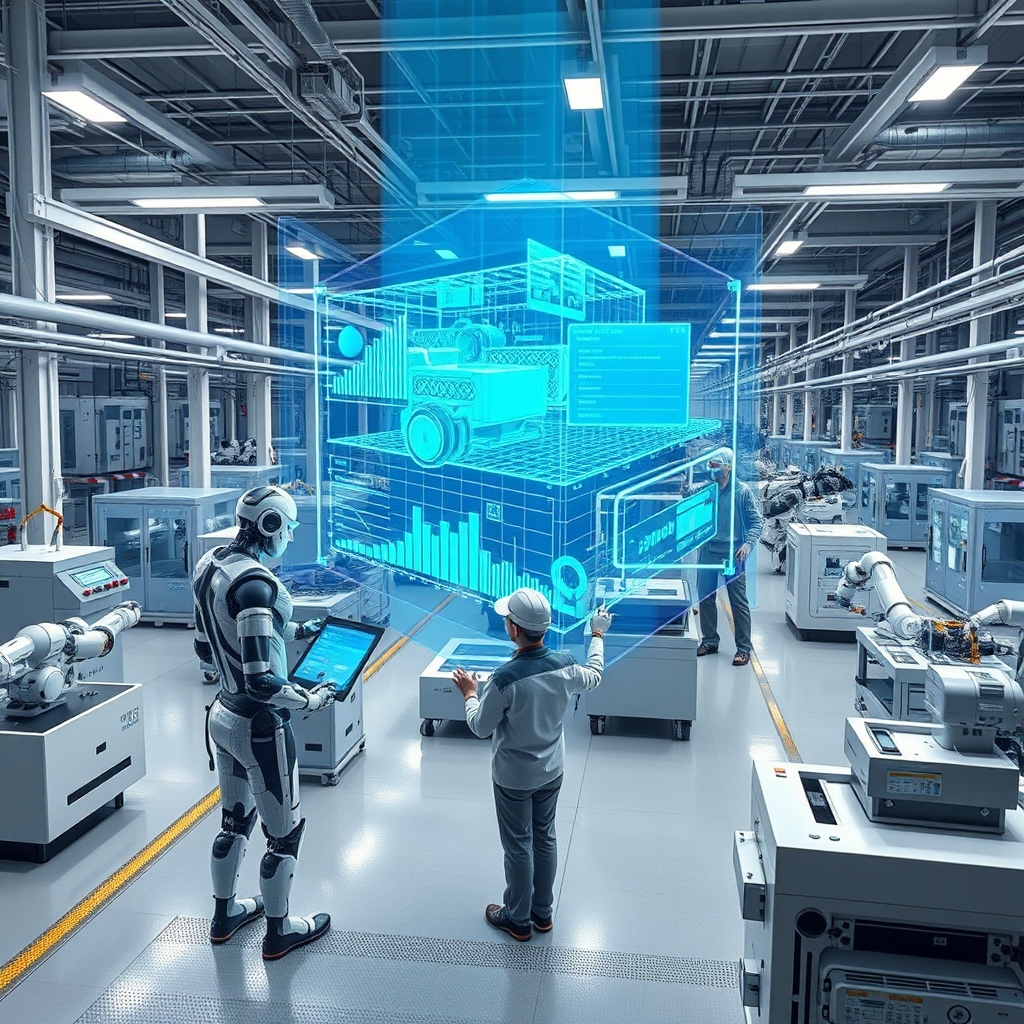
The manufacturing landscape is undergoing a seismic shift, driven by advancements in digital technologies that are redefining how products are designed, produced, and delivered. At the heart of this transformation is Digital Twin Manufacturing, a revolutionary concept that creates virtual replicas of physical systems, enabling real-time monitoring, analysis, and optimization. When combined with Real-Time Process Analytics and Customer-Integrated Design, digital twins are unlocking unprecedented levels of efficiency, agility, and customization in modern factories.
The Power of Digital Twins in Manufacturing
A digital twin is more than just a simulation; it is a dynamic, data-driven representation of a physical asset, process, or system. By integrating sensors, IoT devices, and advanced analytics, digital twins provide manufacturers with a live, interactive model that mirrors real-world conditions. This capability is particularly valuable in complex manufacturing environments where precision, speed, and adaptability are critical.
For example, in Smart Factory Integration, digital twins enable operators to visualize entire production lines in real time, identifying bottlenecks, predicting equipment failures, and optimizing workflows before issues arise. This proactive approach reduces downtime, minimizes waste, and enhances overall Data-Driven Production Efficiency. Moreover, digital twins facilitate Predictive Quality Control by continuously analyzing production data to detect anomalies and deviations, ensuring that products meet the highest standards of quality.
Real-Time Process Analytics: The Backbone of Agile Manufacturing
The integration of Real-Time Process Analytics with digital twins takes manufacturing intelligence to the next level. By leveraging machine learning and AI, manufacturers can process vast amounts of data instantaneously, gaining actionable insights that drive Agile Manufacturing Processes. This real-time visibility allows for rapid decision-making, enabling factories to respond swiftly to changing market demands, supply chain disruptions, or customer preferences.
Consider a scenario where a manufacturer uses real-time analytics to monitor energy consumption across different production stages. By identifying inefficiencies, the system can automatically adjust parameters to reduce energy usage, contributing to both cost savings and Sustainable Supply Chain goals. This level of granular control is only possible with the seamless integration of digital twins and real-time analytics, creating a closed-loop system where data informs action, and action generates new data for further optimization.
Customer-Integrated Design: Bridging the Gap Between Production and Demand
In today’s competitive market, customer expectations are evolving rapidly, with a growing demand for personalized, high-quality products. Customer-Integrated Design addresses this challenge by involving end-users in the product development process, ensuring that their needs and preferences are reflected in the final output. Digital twins play a pivotal role in this paradigm by enabling manufacturers to simulate and test product designs in a virtual environment before physical production begins.
For instance, a company specializing in Additive Manufacturing Workflows can use digital twins to create virtual prototypes of custom-designed products. Customers can interact with these digital models, providing feedback that is instantly incorporated into the design. This iterative process not only accelerates Experiential Product Prototyping but also reduces the risk of costly errors, as potential issues are identified and resolved in the digital realm before any physical materials are committed.
The Synergy of Digital Twins and Collaborative Robotics
The deployment of Collaborative Robotics (Cobots) in manufacturing is another area where digital twins are making a significant impact. Cobots are designed to work alongside human operators, enhancing productivity and safety. However, their effectiveness is greatly amplified when integrated with digital twins, which provide a comprehensive view of the production environment.
By using digital twins to simulate cobot workflows, manufacturers can optimize task allocation, ensuring that human workers and robots collaborate seamlessly. For example, a digital twin can analyze the movements of a cobot on an assembly line, identifying opportunities to reduce cycle times or improve ergonomics for human operators. This synergy not only boosts Lean Operational Excellence but also fosters a Human-Centric Production environment where technology augments rather than replaces human skills.
Sustainable and Scalable: The Future of Digital Twin Manufacturing
As manufacturers strive to balance efficiency with sustainability, digital twins are emerging as a key enabler of Ethical Sourcing Transparency and Scalable Industrial Solutions. By providing a holistic view of the supply chain, digital twins allow companies to track the origins of raw materials, monitor energy consumption, and ensure compliance with environmental regulations. This transparency is crucial for building trust with consumers and stakeholders who prioritize sustainability.
Furthermore, digital twins facilitate Modular Manufacturing Systems by enabling manufacturers to design flexible production lines that can be easily reconfigured to accommodate new products or processes. This scalability is essential for companies looking to expand their operations or pivot to new markets without incurring significant capital expenditures. Whether it’s through Automated Assembly Insights or Preventive Equipment Maintenance, digital twins provide the agility needed to thrive in an ever-changing industrial landscape.
The convergence of digital twin technology, real-time analytics, and customer-integrated design is not just a trend but a fundamental shift in how manufacturing operates. By embracing these innovations, companies can create smarter, more responsive factories that deliver superior products while minimizing waste and maximizing efficiency. The factories of tomorrow are being built today, and those who harness the power of digital twins will lead the charge into a new era of industrial excellence, where data-driven insights and human ingenuity combine to redefine what’s possible.