The Digital Revolution: How Algorithmic Trading and Blockchain Are Transforming Investment Portfolio Management
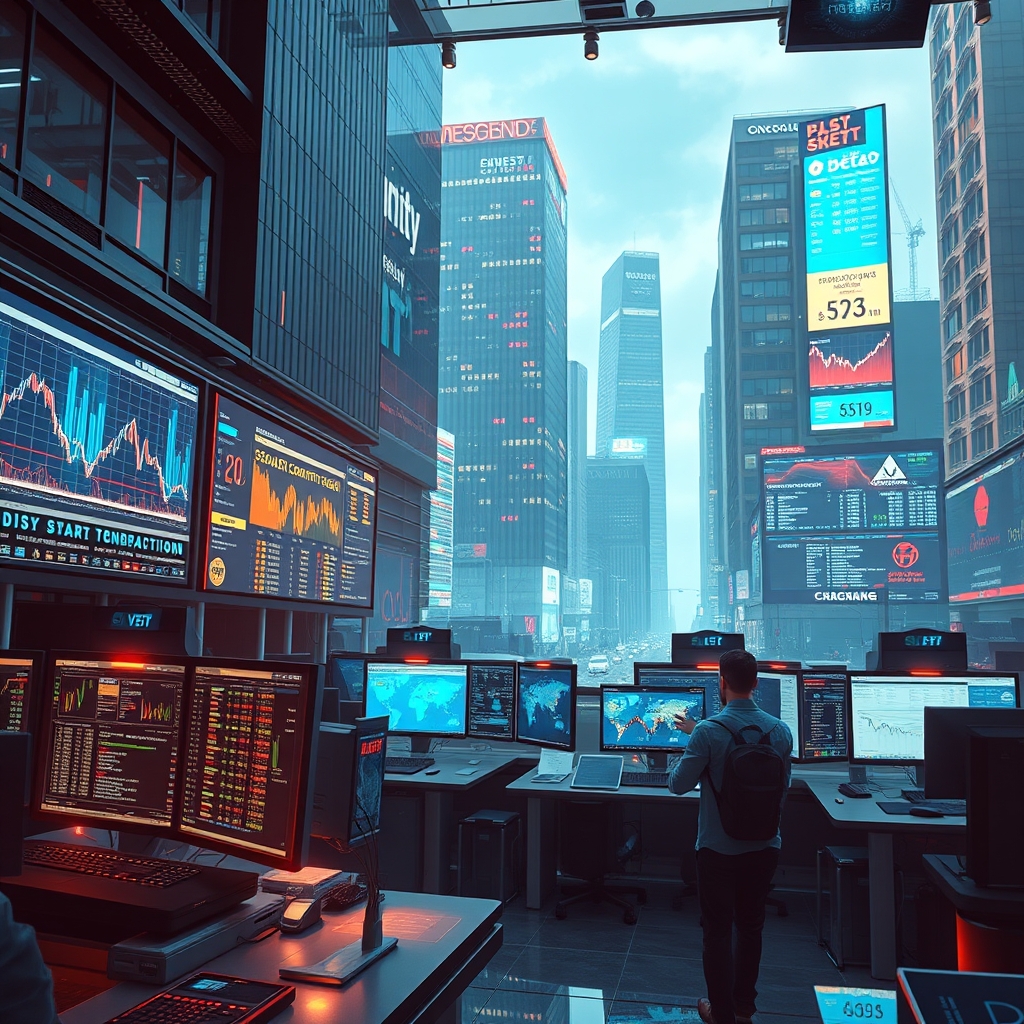
In the rapidly evolving landscape of digital finance, two technologies stand out as game-changers: algorithmic trading and blockchain. These innovations are not just reshaping the way we manage investment portfolios; they are fundamentally altering the very fabric of the financial industry.
Algorithmic Trading: The New Frontier
Algorithmic trading, often referred to as algo trading, uses complex mathematical models and high-speed computers to execute trades at speeds and frequencies that are impossible for human traders. This technology has revolutionized the stock market, allowing for more efficient and precise trading strategies. By leveraging big data and machine learning, algorithmic trading systems can analyze vast amounts of market data in real-time, identifying patterns and trends that would be invisible to the human eye.
One of the key advantages of algorithmic trading is its ability to minimize human error and emotional bias. Traders are often influenced by emotions such as fear and greed, which can lead to poor decision-making. Algorithmic systems, on the other hand, operate based on predefined rules and data, ensuring a more disciplined and consistent approach to trading.
Enhancing Portfolio Management
For investment portfolio management, algorithmic trading offers several benefits. It can help in diversifying portfolios by identifying undervalued assets and optimizing the allocation of resources. Additionally, it can provide real-time risk assessment, allowing portfolio managers to adjust their strategies in response to market fluctuations. This level of agility is crucial in today’s volatile financial markets.
Blockchain: The Backbone of Trust
Blockchain technology, the underlying infrastructure of cryptocurrencies like Bitcoin, is another transformative force in the financial world. It provides a decentralized, transparent, and secure way to record transactions. Each block in the chain contains a list of transactions, and once a block is added to the chain, it cannot be altered retroactively without altering all subsequent blocks. This immutability ensures the integrity of the data, making blockchain an ideal solution for financial transactions.
Smart Contracts and Decentralized Finance
One of the most exciting applications of blockchain is smart contracts. These are self-executing contracts with the terms of the agreement directly written into lines of code. Smart contracts automate the execution of an agreement as soon as predefined conditions are met, eliminating the need for intermediaries and reducing the risk of fraud. In the context of investment portfolio management, smart contracts can streamline processes such as asset transfers, dividend distributions, and compliance checks.
Decentralized finance (DeFi) is another area where blockchain is making a significant impact. DeFi platforms use blockchain technology to provide financial services such as lending, borrowing, and trading without the need for traditional financial intermediaries. This democratizes access to financial services, making them more accessible and affordable for a broader range of investors.
The Synergy of Algorithmic Trading and Blockchain
The combination of algorithmic trading and blockchain technology creates a powerful synergy that can enhance investment portfolio management. Algorithmic trading systems can leverage the transparency and security of blockchain to execute trades more efficiently and securely. Conversely, blockchain can provide the data integrity and immutability that algorithmic systems need to operate effectively.
For example, blockchain can be used to create a tamper-proof ledger of all trades executed by an algorithmic system. This ledger can be used to verify the accuracy and fairness of trades, providing an additional layer of trust and transparency. Additionally, smart contracts can be used to automate the execution of trades based on predefined conditions, further enhancing the efficiency and security of the trading process.
In the ever-changing world of digital finance, the integration of algorithmic trading and blockchain technology is not just a trend; it is a necessity. These technologies are transforming the way we manage investment portfolios, making them more efficient, secure, and transparent. As we continue to explore the possibilities of these innovations, one thing is clear: the future of investment portfolio management is digital, and it is here to stay.