
The Future of Manufacturing: How Smart Factories Are Redefining Industry 4.0
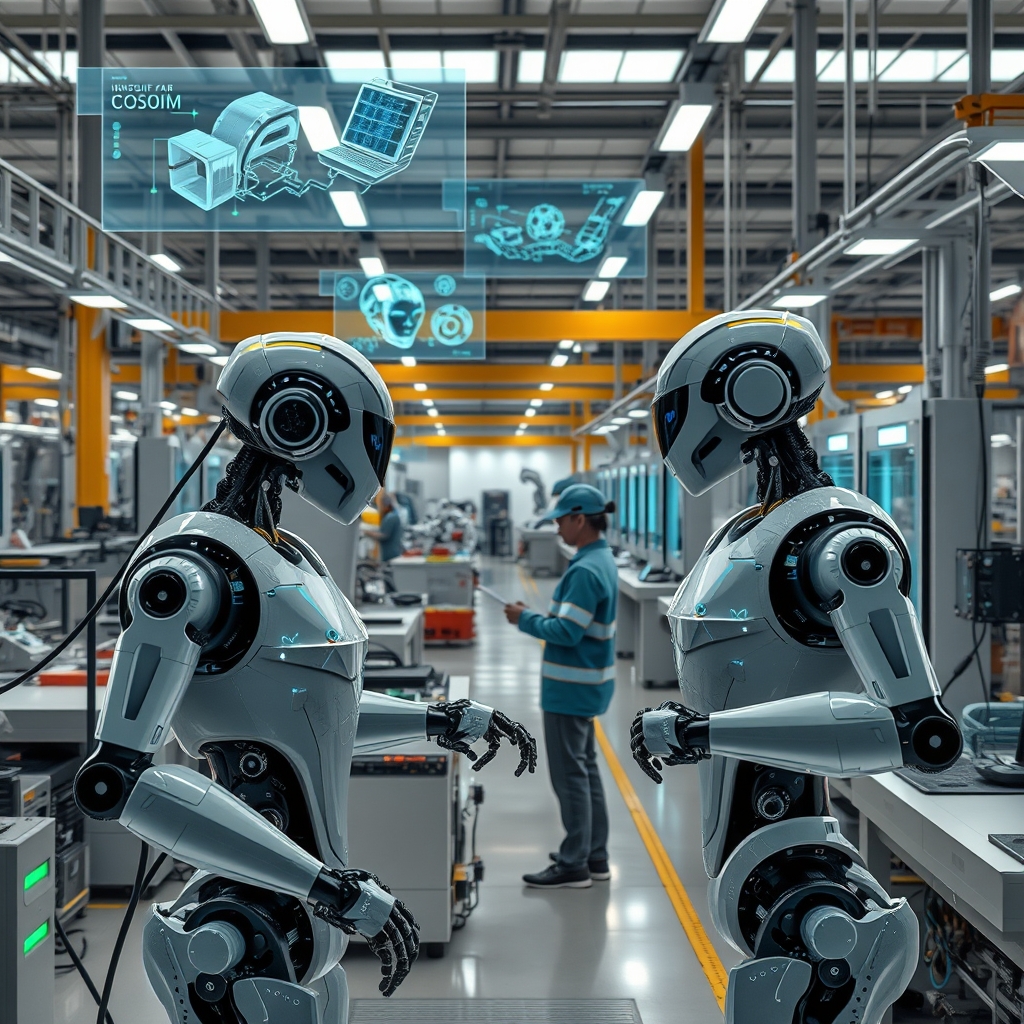
The manufacturing landscape is undergoing a seismic shift, driven by the convergence of digital technologies, automation, and data-driven decision-making. At the heart of this transformation is the concept of the Smart Factory, a fully integrated, collaborative ecosystem that leverages cutting-edge innovations to optimize efficiency, quality, and sustainability. As industries embrace Industry 4.0, the fusion of Digital Twin Manufacturing, Collaborative Robotics Deployment, and Real-Time Process Analytics is not just enhancing production—it’s redefining what’s possible.
The Rise of the Smart Factory
A smart factory is more than just an automated production line; it’s a dynamic, self-optimizing environment where machines, systems, and humans work in harmony. By integrating IoT sensors, AI-driven analytics, and cloud computing, manufacturers can achieve unprecedented levels of visibility and control over their operations. For instance, Predictive Quality Control systems use machine learning algorithms to detect defects before they occur, reducing waste and ensuring consistent product excellence. Similarly, Automated Assembly Insights enable real-time adjustments to assembly lines, minimizing downtime and maximizing throughput.
The benefits of smart factory integration extend beyond operational efficiency. By adopting Modular Manufacturing Systems, companies can quickly reconfigure production lines to accommodate changing market demands, fostering Agile Manufacturing Processes. This flexibility is particularly valuable in industries where customization and rapid prototyping are critical, such as automotive and consumer electronics. Moreover, the ability to simulate and test production scenarios using Digital Twin Manufacturing allows manufacturers to optimize workflows without disrupting physical operations, saving both time and resources.
Human-Centric Production: Balancing Automation and Workforce Empowerment
While automation and AI are central to the smart factory revolution, the role of human workers remains indispensable. Human-Centric Production emphasizes the importance of designing technologies that augment—not replace—human capabilities. For example, Collaborative Robotics Deployment (cobots) enables workers to perform complex tasks alongside robots, improving safety and precision. These cobots are equipped with advanced sensors and AI to adapt to human movements, creating a seamless partnership between man and machine.
Furthermore, Tech-Enabled Workforce Training ensures that employees are equipped with the skills needed to thrive in a digital-first manufacturing environment. Virtual reality (VR) and augmented reality (AR) simulations provide immersive training experiences, allowing workers to practice operating machinery or troubleshooting issues in a risk-free setting. This not only enhances productivity but also fosters a culture of continuous learning and innovation. By prioritizing the human element, manufacturers can create a more engaged, adaptable, and resilient workforce.
Sustainability and Ethical Sourcing in the Smart Factory Era
As global supply chains face increasing scrutiny over environmental and ethical practices, smart factories are leading the charge toward Sustainable Supply Chains. Advanced analytics and Preventive Equipment Maintenance systems help reduce energy consumption and minimize waste by identifying inefficiencies before they escalate. Additionally, Ethical Sourcing Transparency tools enable manufacturers to track the origins of raw materials, ensuring compliance with environmental and labor standards.
Additive Manufacturing Workflows (3D printing) further contribute to sustainability by enabling on-demand production, reducing the need for excess inventory and transportation. This not only lowers carbon footprints but also allows for greater customization and Experiential Product Prototyping, where designers can iterate and refine products quickly and cost-effectively. By integrating sustainability into their core operations, smart factories are not only meeting regulatory demands but also appealing to environmentally conscious consumers.
Data-Driven Efficiency: The Backbone of Modern Manufacturing
At the core of the smart factory is data—vast amounts of it. Real-Time Process Analytics provide manufacturers with actionable insights into every aspect of production, from machine performance to supply chain logistics. By leveraging Data-Driven Production Efficiency, companies can identify bottlenecks, predict maintenance needs, and optimize resource allocation. For example, AI-powered demand forecasting can help manufacturers align production schedules with market trends, reducing overproduction and inventory costs.
The integration of Lean Operational Excellence principles with digital technologies further enhances efficiency. By eliminating waste and streamlining processes, manufacturers can achieve higher output with fewer resources. This is particularly valuable in high-mix, low-volume production environments, where flexibility and speed are paramount. Moreover, Customer-Integrated Design platforms allow manufacturers to collaborate directly with end-users, ensuring that products meet evolving consumer needs and preferences.
Scalable Solutions for the Future
One of the most compelling advantages of smart factory technologies is their scalability. Whether a company is a small startup or a global enterprise, Scalable Industrial Solutions can be tailored to fit specific needs and budgets. For instance, cloud-based Digital Twin Manufacturing platforms enable manufacturers to simulate and optimize production processes without significant upfront investments in hardware. Similarly, Modular Manufacturing Systems allow companies to scale their operations incrementally, adding or reconfiguring modules as demand grows.
The future of manufacturing lies in the seamless integration of these technologies, creating a connected ecosystem where data flows freely between machines, systems, and people. As Value-Added Manufacturing Services become increasingly important, companies that embrace smart factory innovations will be better positioned to deliver high-quality, customized products at scale. The journey toward Industry 4.0 is not without its challenges, but the rewards—greater efficiency, sustainability, and competitiveness—are well worth the effort.
The transformation of manufacturing is not a distant vision; it’s happening now. Companies that invest in smart factory technologies today will be the ones shaping the industry’s future, driving innovation, and setting new standards for excellence. The question is no longer whether to adopt these technologies, but how quickly and effectively they can be integrated to unlock their full potential. As the lines between the physical and digital worlds continue to blur, the factories of tomorrow will be defined by their ability to adapt, evolve, and thrive in an ever-changing landscape.