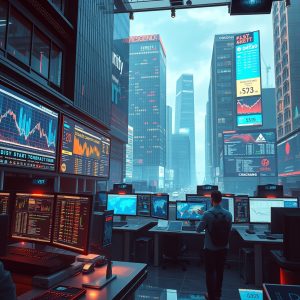
The Algorithmic Edge: How Machine Learning and Forex Trading Strategies Are Redefining Global Market Indexes
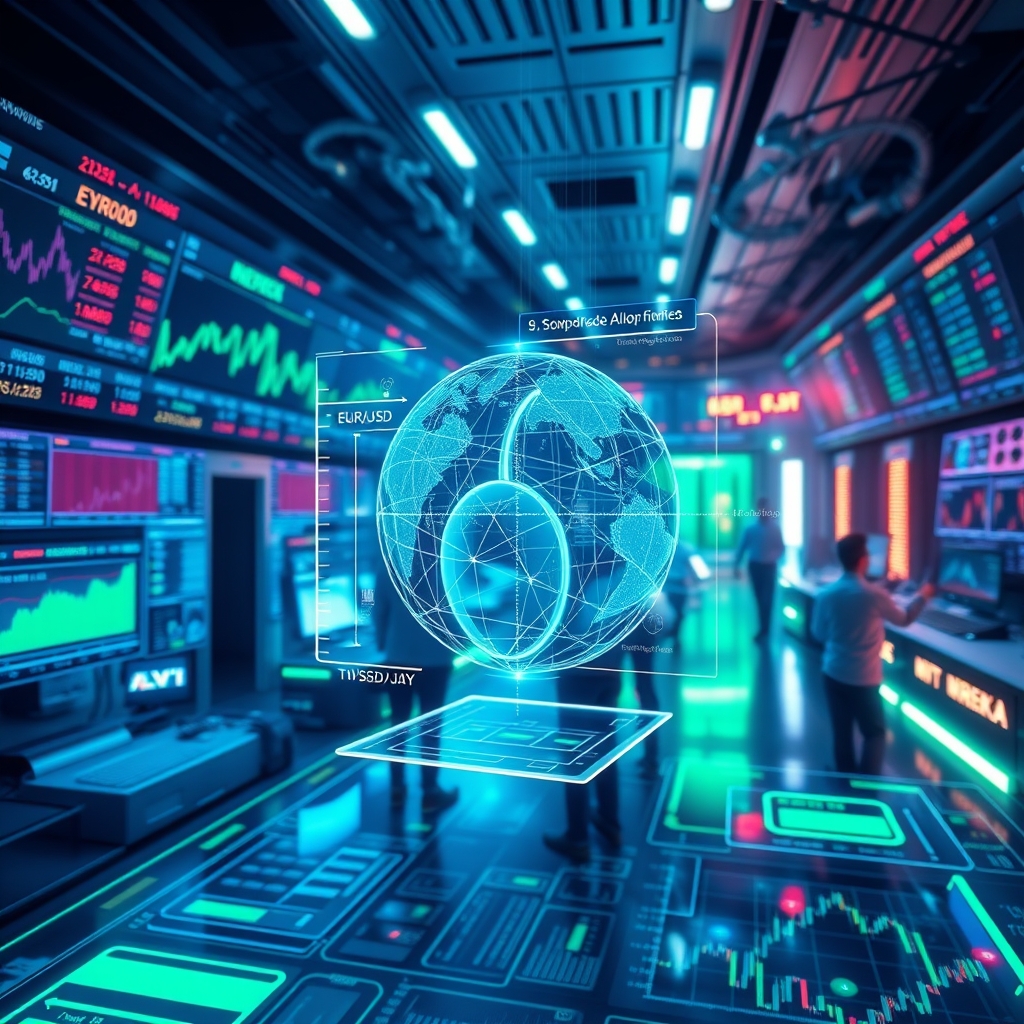
The hum of servers in a dimly lit trading floor is no longer the soundtrack of modern finance. Instead, the silent whir of algorithms processing terabytes of data in milliseconds has become the new rhythm of the markets. This shift is not just a change in tempo but a fundamental transformation in how global market indexes are analyzed, predicted, and traded. At the heart of this evolution lies the fusion of machine learning and forex trading strategies, a combination that is redefining the very fabric of financial markets.
The Rise of the Machines: Algorithmic Trading in Forex
Forex markets, with their 24-hour cycle and trillion-dollar daily turnover, have always been a playground for traders seeking liquidity and volatility. However, the sheer scale and speed of these markets have made them increasingly difficult for human traders to navigate alone. Enter algorithmic trading systems—sophisticated programs designed to execute trades at speeds and frequencies impossible for humans. These systems do not merely follow pre-set rules; they learn, adapt, and evolve using machine learning techniques.
Machine learning models, particularly those based on deep learning, can identify patterns in historical and real-time data that are invisible to the human eye. They analyze everything from macroeconomic indicators to geopolitical events, social media sentiment, and even weather patterns, all of which can influence foreign exchange rates. By processing this data, algorithms can predict short-term fluctuations and long-term trends with a level of accuracy that was once unimaginable. For instance, a neural network trained on decades of forex data can detect subtle correlations between currency pairs and global events, allowing traders to anticipate market movements before they happen.
The Marriage of Forex Strategies and Machine Learning
Traditional forex trading strategies, such as carry trades, scalping, and trend following, have long relied on technical and fundamental analysis. However, these strategies often struggle to account for the noise and unpredictability inherent in global markets. Machine learning enhances these strategies by adding a layer of dynamic adaptability. For example, a trend-following strategy might use moving averages to identify market direction, but a machine learning model can refine this approach by incorporating additional variables like order book dynamics, volatility clusters, and even the behavior of other algorithms in the market.
One of the most powerful applications of machine learning in forex is in predictive modeling. By training models on vast datasets, traders can forecast currency movements with greater precision. These models can also simulate countless trading scenarios, allowing traders to backtest strategies under various market conditions. This not only improves the robustness of trading strategies but also reduces the risk of catastrophic losses during black swan events—those rare, unpredictable occurrences that can send markets into a tailspin.
The Impact on Global Market Indexes
Global market indexes, such as the MSCI World Index or the S&P 500, are barometers of economic health, reflecting the performance of equities, bonds, and other assets across regions. However, these indexes are not static; they are influenced by a complex web of factors, including forex rates, interest rates, and geopolitical stability. Machine learning and algorithmic trading are now playing a pivotal role in how these indexes are interpreted and traded.
For example, hedge funds and institutional investors are increasingly using machine learning models to analyze the correlation between forex movements and equity market trends. A sudden depreciation in a major currency like the Japanese yen or the euro can have ripple effects across global indexes, influencing everything from commodity prices to corporate earnings. By leveraging machine learning, traders can anticipate these ripple effects and adjust their portfolios accordingly, often before the broader market has even reacted.
The Democratization of Trading: From Institutions to Individuals
While algorithmic trading was once the domain of hedge funds and large financial institutions, advancements in technology have democratized access to these tools. Retail traders can now use platforms that offer machine learning-driven insights, allowing them to compete on a more level playing field. These platforms provide users with real-time analytics, predictive models, and even automated trading bots that execute trades based on pre-defined strategies.
However, this democratization is not without its challenges. The same algorithms that empower individual traders can also amplify market volatility. Flash crashes, where markets plummet and recover within minutes, are often attributed to the rapid-fire trading of algorithms reacting to the same signals. Regulators are still grappling with how to manage this new landscape, where human oversight is often outpaced by the speed of machine-driven decisions.
The Future: Smart Contracts and Decentralized Forex
The next frontier in this evolution is the integration of blockchain technology and smart contracts into forex trading. Decentralized finance (DeFi) platforms are already experimenting with peer-to-peer forex trading, eliminating the need for traditional intermediaries like banks and brokers. Smart contracts, self-executing agreements written in code, can automate the settlement of forex trades, reducing counterparty risk and increasing transparency.
Imagine a world where forex trades are executed instantly and securely on a blockchain, with machine learning models providing real-time risk assessments and predictive analytics. This vision is not far-fetched; it is already taking shape in the form of decentralized exchanges and algorithmic stablecoins. As these technologies mature, they will further blur the lines between forex trading, equity markets, and global indexes, creating a more interconnected and efficient financial ecosystem.
The financial markets of tomorrow will not be defined by the speed of human decision-making but by the precision of algorithms and the adaptability of machine learning. As forex trading strategies continue to evolve alongside these technologies, global market indexes will reflect a new era of efficiency, transparency, and opportunity. The question is no longer whether machines will dominate trading but how quickly humans can adapt to this brave new world, where the line between trader and algorithm grows ever thinner. The markets are no longer just a reflection of human sentiment; they are a mirror of the code that drives them, a silent testament to the power of the algorithmic edge.