The Pulse of Modern Finance: How Algorithmic Precision and Decentralized Systems Are Redefining Investment Landscapes
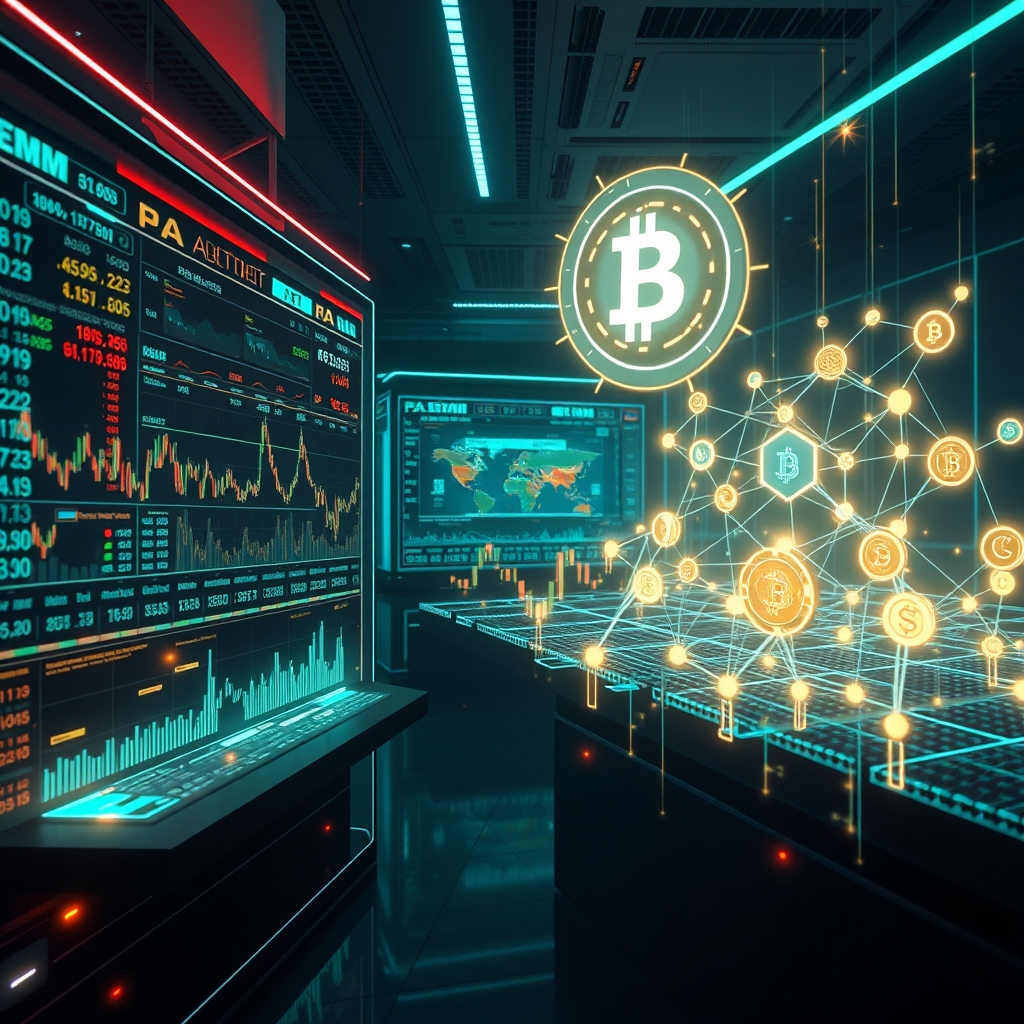
The financial world is no longer a quiet symphony of ticking clocks and rustling papers in wood-paneled offices. It has transformed into a high-velocity digital ecosystem, where data flows like electricity and decisions are made in the blink of an eye. At the heart of this evolution lies the convergence of two powerful forces: algorithmic trading systems and decentralized finance. Together, they are not just reshaping investment strategies—they are redefining the very fabric of how wealth is created, managed, and protected.
The Algorithmic Mind: Trading at the Speed of Thought
Imagine a market where trades execute faster than human reflexes, where patterns invisible to the naked eye are detected and acted upon in milliseconds. This is the realm of algorithmic trading systems, where complex mathematical models and machine learning algorithms analyze vast datasets to identify opportunities and execute trades with surgical precision. These systems don’t sleep, don’t hesitate, and don’t succumb to emotional biases. They operate on logic, speed, and efficiency, turning the stock market and forex trading into a battleground of computational prowess.
Institutional investors and hedge funds have long relied on these systems to gain an edge, but the democratization of technology has brought algorithmic trading to retail investors as well. Platforms now offer pre-built algorithms or the tools to create custom strategies, allowing individuals to compete on a more level playing field. However, this accessibility comes with its own set of challenges. The sheer volume of trades generated by algorithms can amplify market volatility, leading to flash crashes or sudden price swings that leave traditional investors scrambling to keep up.
The Double-Edged Sword of Automation
While algorithmic trading systems offer unparalleled efficiency, they are not without risks. A poorly designed algorithm can spiral out of control, executing trades that exacerbate market downturns or trigger unintended consequences. The 2010 Flash Crash, where the Dow Jones Industrial Average plummeted nearly 1,000 points in minutes, serves as a stark reminder of the potential dangers. Regulators have since implemented safeguards like circuit breakers and kill switches, but the cat-and-mouse game between innovation and oversight continues to evolve.
Beyond the technical risks, there’s an ethical dimension to consider. As algorithms grow more sophisticated, they can exploit market inefficiencies in ways that border on manipulation. High-frequency trading (HFT) firms, for example, use ultra-fast algorithms to front-run orders, profiting from tiny price discrepancies before other market participants can react. This raises questions about fairness and whether the financial system is becoming a playground for those with the fastest computers rather than the sharpest minds.
The Rise of Decentralized Finance: A New Paradigm of Trust
If algorithmic trading represents the brain of modern finance, decentralized finance (DeFi) is its beating heart. Built on blockchain technology, DeFi seeks to dismantle the traditional gatekeepers of finance—banks, brokers, and clearinghouses—and replace them with transparent, trustless systems. Smart contracts, self-executing agreements coded on the blockchain, automate transactions without the need for intermediaries, reducing costs and increasing accessibility.
DeFi platforms offer a smorgasbord of financial services: lending and borrowing, yield farming, decentralized exchanges (DEXs), and even synthetic assets that mimic traditional securities. For investors, this opens up a world of opportunities. High-yield savings accounts in DeFi can offer interest rates that dwarf those of traditional banks, while liquidity mining allows users to earn rewards by providing capital to decentralized protocols. The barriers to entry are low, and the potential for innovation is boundless.
The Wild West of Crypto Wealth
Yet, DeFi is not without its pitfalls. The lack of regulation means that scams, hacks, and rug pulls are rampant. In 2022 alone, over $3 billion was lost to DeFi exploits, highlighting the risks of operating in an environment where code is law—and code can be flawed. Crypto wallet security is another critical concern. Unlike traditional banking, where fraudulent transactions can often be reversed, blockchain transactions are irreversible. A single mistake, like sending funds to the wrong address or falling victim to a phishing attack, can result in permanent loss.
Moreover, the volatility of cryptocurrencies adds another layer of complexity. While assets like Bitcoin and Ethereum have delivered staggering returns, they are also prone to dramatic swings that can wipe out portfolios overnight. For all its promise, DeFi remains a high-risk, high-reward frontier, where only the most informed and cautious investors thrive.
The Convergence: Where Algorithms Meet Blockchain
The most exciting developments in modern finance are emerging at the intersection of algorithmic trading and decentralized systems. Algorithmic trading bots are now being deployed on decentralized exchanges, executing trades based on real-time data from blockchain networks. These bots can arbitrage price differences across multiple DEXs, provide liquidity to automated market makers (AMMs), or even engage in predictive trading based on on-chain analytics.
Central Bank Digital Currencies (CBDCs) are another area where these two worlds collide. As governments explore digital versions of their currencies, they are turning to blockchain technology to ensure security and transparency. Algorithmic systems could play a role in managing CBDC supply, adjusting interest rates dynamically, or even implementing monetary policy in real time. The implications for global finance are profound, potentially reshaping everything from cross-border payments to fiscal policy impact.
The Future of Investment Portfolio Management
For asset wealth managers, the rise of algorithmic and decentralized systems presents both challenges and opportunities. Traditional portfolio management relies on diversification, risk assessment, and long-term strategy, but the speed and complexity of modern markets demand a new approach. Hybrid models are emerging, where human expertise is augmented by AI-driven insights. These systems can analyze equity market trends, assess financial risk, and even predict the impact of geopolitical events on foreign exchange rates.
Decentralized autonomous organizations (DAOs) are also gaining traction as a new way to manage investment portfolios. In a DAO, decisions are made collectively by token holders, with smart contracts automating the execution of strategies. This model democratizes investment management, allowing communities to pool resources and make decisions without relying on a centralized authority. While still in its infancy, the potential for DAOs to disrupt traditional asset management is undeniable.
The financial landscape is no longer a static map but a living, breathing organism, constantly evolving under the pressure of technological innovation. Algorithmic trading systems and decentralized finance are not just tools—they are the architects of a new era, where speed, transparency, and accessibility redefine what it means to build and protect wealth. Navigating this terrain requires more than just financial acumen; it demands adaptability, a willingness to embrace change, and a deep understanding of the forces shaping the future. The question is no longer whether these technologies will transform finance, but how quickly we can learn to harness their power—and mitigate their risks—before the next wave of innovation arrives.