Beyond Automation: How Human-Centric Production and Real-Time Analytics Are Crafting the Agile Factory of Tomorrow
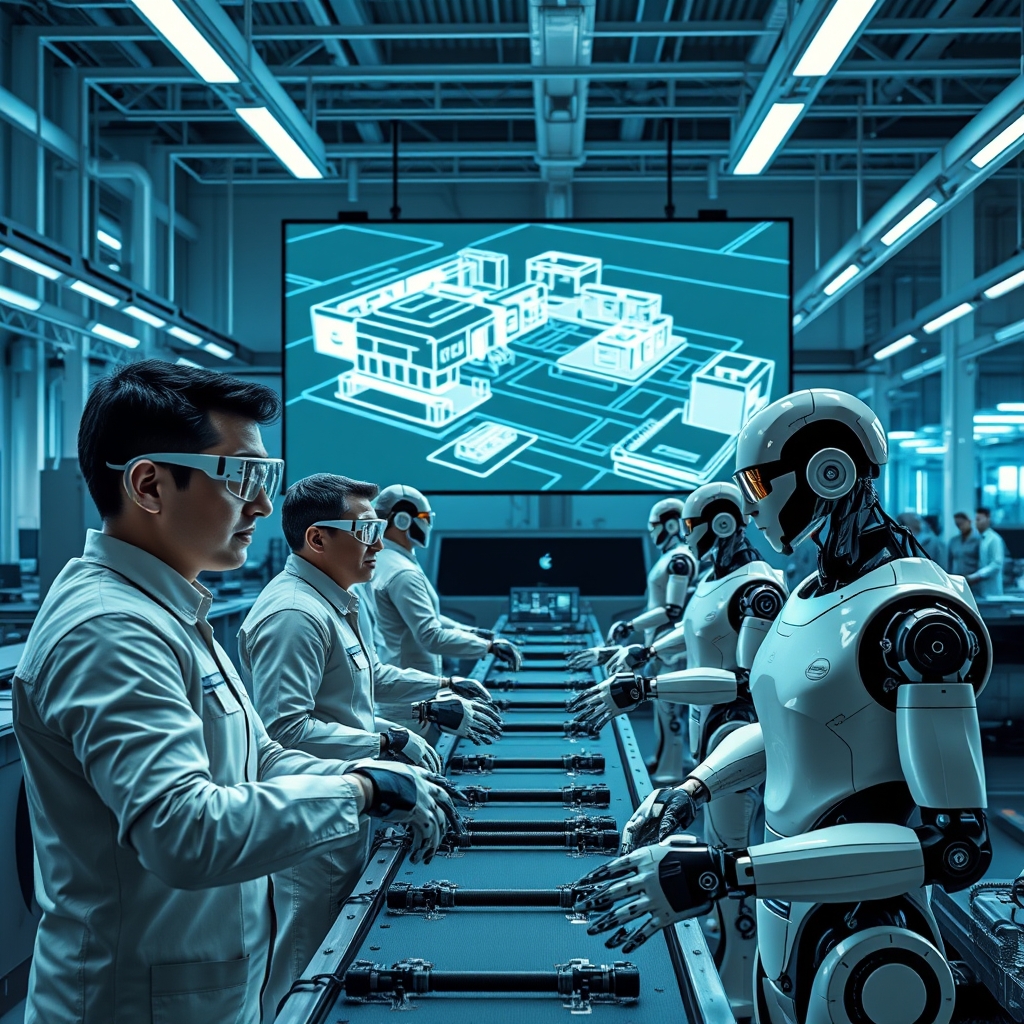
The manufacturing landscape is undergoing a seismic shift, one where the rigid structures of traditional production lines are giving way to fluid, adaptive systems. At the heart of this transformation lies a delicate balance—one that harmonizes cutting-edge technology with the irreplaceable ingenuity of human workers. The factories of tomorrow are not just automated; they are agile, responsive, and deeply attuned to the needs of both their workforce and their customers. This evolution is being driven by two pivotal forces: human-centric production and real-time process analytics, which together are redefining what it means to operate a smart factory.
The Human Element in the Age of Automation
For decades, the narrative around manufacturing automation has been dominated by fears of job displacement and the rise of impersonal, machine-driven production. Yet, the reality emerging in modern factories tells a different story—one where technology is not replacing humans but empowering them. Human-centric production is a philosophy that places people at the core of manufacturing processes, leveraging automation to augment rather than replace human skills. This approach recognizes that while machines excel at repetitive, precision-based tasks, humans bring creativity, problem-solving, and adaptability to the table.
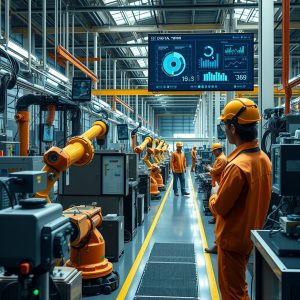
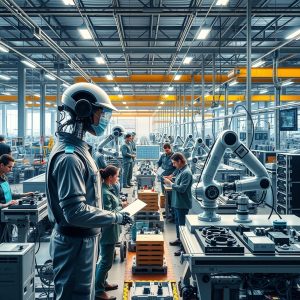
Take, for example, the deployment of collaborative robotics in assembly lines. Unlike traditional industrial robots, which operate in isolation, cobots are designed to work alongside human operators. They handle the heavy lifting, the monotonous tasks, or the high-precision work, freeing up workers to focus on more complex, value-added activities. This synergy not only boosts productivity but also enhances job satisfaction, as workers are no longer confined to tedious, physically demanding roles. Instead, they become supervisors, problem-solvers, and innovators within the production process.
Tech-Enabled Workforce Training: Closing the Skills Gap
The shift toward human-centric production also demands a reevaluation of workforce training. As manufacturing technologies evolve, so too must the skills of the people who operate them. Tech-enabled workforce training is emerging as a critical component of this transition, offering immersive, adaptive learning experiences that prepare workers for the demands of modern factories. Virtual reality (VR) and augmented reality (AR) are being used to simulate real-world scenarios, allowing workers to practice operating machinery, troubleshooting issues, or even collaborating with cobots in a risk-free environment.
These training programs are not just about technical proficiency; they also foster a culture of continuous learning and adaptability. In an era where technological advancements are rapid and relentless, the ability to upskill and reskill quickly is invaluable. By investing in their workforce, manufacturers are not only future-proofing their operations but also creating a more engaged, motivated, and loyal team.
The Power of Real-Time Process Analytics
While human-centric production ensures that the workforce is empowered and engaged, real-time process analytics provides the data-driven insights needed to make informed, agile decisions. In traditional manufacturing, decisions were often made based on historical data or gut instinct. Today, however, the ability to monitor and analyze production processes in real time is transforming how factories operate. Sensors, IoT devices, and advanced software platforms collect vast amounts of data from every stage of the production line, offering a granular view of performance, efficiency, and potential bottlenecks.
This real-time visibility enables manufacturers to respond swiftly to issues, optimize workflows, and even predict problems before they occur. For instance, if a machine begins to show signs of wear or inefficiency, analytics can flag the issue immediately, allowing for proactive maintenance rather than reactive repairs. This not only minimizes downtime but also extends the lifespan of equipment, contributing to lean operational excellence.
From Data to Action: The Role of Digital Twins
One of the most powerful applications of real-time analytics is the creation of digital twin manufacturing environments. A digital twin is a virtual replica of a physical production system, updated in real time with data from sensors and IoT devices. This allows manufacturers to simulate different scenarios, test process changes, and optimize performance without disrupting actual production. For example, a digital twin can be used to model the impact of a new workflow or the introduction of a cobot, providing valuable insights before any physical changes are made.
Digital twins also play a crucial role in predictive quality control, where machine learning algorithms analyze data to identify patterns that may indicate potential defects or quality issues. By catching these issues early, manufacturers can reduce waste, improve product consistency, and enhance customer satisfaction. This level of precision and foresight is a game-changer for industries where quality and reliability are paramount.
Agile Manufacturing: The Key to Future-Proofing Production
The combination of human-centric production and real-time analytics is paving the way for agile manufacturing processes, where flexibility and responsiveness are the hallmarks of success. In an era of rapid market changes, shifting consumer demands, and global supply chain disruptions, the ability to adapt quickly is no longer a luxury—it’s a necessity. Agile manufacturing systems are designed to be modular, scalable, and easily reconfigurable, allowing manufacturers to pivot production lines, introduce new products, or adjust to fluctuations in demand with minimal disruption.
Modular manufacturing systems, for example, enable factories to swap out production modules or reconfigure assembly lines without extensive downtime. This flexibility is particularly valuable for industries with high product variability, such as automotive or consumer electronics. When combined with real-time analytics, these systems can dynamically optimize production schedules, allocate resources efficiently, and even predict demand trends, ensuring that manufacturers stay ahead of the curve.
Sustainability and Ethical Sourcing: The New Imperatives
As manufacturers embrace agility and innovation, they are also facing growing pressure to address sustainability and ethical sourcing. Consumers, regulators, and investors are increasingly demanding transparency and accountability in how products are made and where materials are sourced. Sustainable supply chains and ethical sourcing transparency are no longer optional—they are essential components of a modern manufacturing strategy.
Real-time analytics can play a pivotal role in this area by providing visibility into every stage of the supply chain. From tracking the carbon footprint of raw materials to monitoring the working conditions of suppliers, data-driven insights enable manufacturers to make ethical, sustainable choices. Additionally, technologies like additive manufacturing (3D printing) are reducing waste and energy consumption by enabling on-demand production and localized manufacturing, further contributing to a more sustainable future.
The factories of tomorrow are not just about efficiency and productivity; they are about creating value in a way that is sustainable, ethical, and human-centered. By embracing the synergy of human-centric production and real-time analytics, manufacturers are not only future-proofing their operations but also redefining the role of industry in society. This is not just the next step in the evolution of manufacturing—it is a fundamental shift in how we think about production, work, and the relationship between humans and machines. As these technologies continue to advance, the possibilities are limitless, and the factories of the future will be limited only by our imagination and our commitment to innovation.