The Algorithmic Symphony: How Decentralized Finance and High-Frequency Trading Are Composing the Future of Investment Portfolios
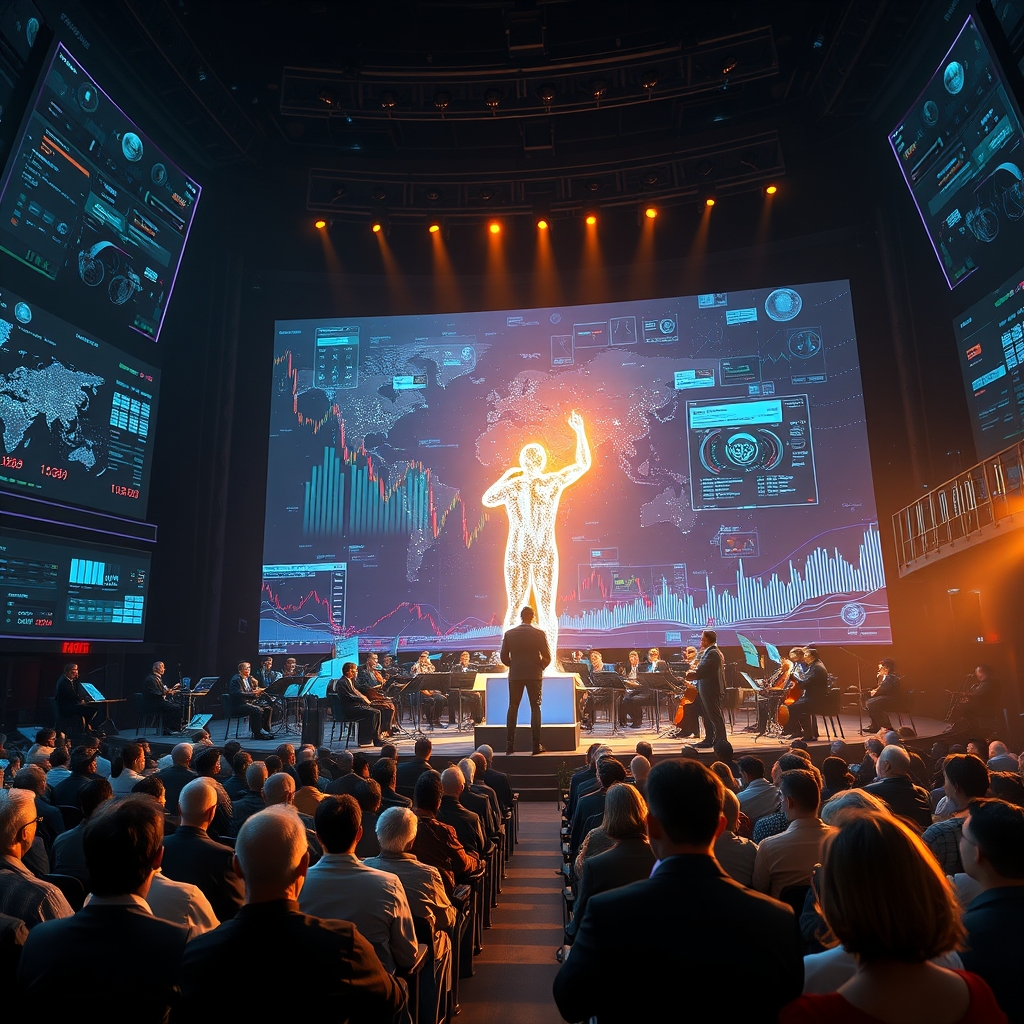
The financial world is no longer a quiet library of ledgers and ticker tapes, but a bustling concert hall where algorithms hum in harmony, decentralized protocols conduct the orchestra, and every investor holds a front-row seat to the performance. The rise of decentralized finance (DeFi) and high-frequency trading (HFT) has transformed the once-static landscape of investment portfolios into a dynamic symphony of data, speed, and precision. This is not just evolution—it is a revolution, one where the baton is passed from human intuition to machine intelligence, and the audience is as much a participant as the performers.
The Conductor: Decentralized Finance
At the heart of this transformation is decentralized finance, a movement that has dismantled the traditional barriers of the financial ecosystem. DeFi is not merely a technological innovation; it is a philosophical shift, one that replaces intermediaries with smart contracts and trust with transparency. Imagine a world where lending, borrowing, and trading occur without the need for banks, brokers, or bureaucrats. This is the world DeFi is building, one block at a time.
Platforms like Uniswap, Aave, and Compound have become the new pillars of this financial renaissance, offering liquidity pools that operate 24/7, governed by code rather than corporate hierarchies. These protocols are not just tools; they are the architects of a new financial paradigm, where yield is not dictated by central banks but by the collective actions of a global network. For investors, this means unprecedented access to opportunities—whether it’s earning interest on stablecoins, providing liquidity for decentralized exchanges, or participating in governance decisions that shape the future of these platforms.
The Instruments: Smart Contracts and Tokenization
If DeFi is the conductor, then smart contracts are the instruments that bring the symphony to life. These self-executing agreements, written in code and deployed on blockchain networks, eliminate the need for intermediaries, reducing costs and increasing efficiency. But their true power lies in their versatility. Smart contracts can automate complex financial transactions, from yield farming strategies to synthetic asset creation, all while ensuring transparency and immutability.
Tokenization, another key innovation, is turning illiquid assets into tradable instruments. Real estate, art, and even intellectual property can now be fractionalized and traded on decentralized platforms, opening up investment opportunities that were once reserved for the ultra-wealthy. This democratization of access is not just a trend—it is a fundamental redefinition of what it means to build and manage an investment portfolio in the digital age.
The Tempo: High-Frequency Trading
While DeFi redefines the structure of finance, high-frequency trading sets the tempo, dictating the pace at which markets move. HFT is the art of executing thousands of trades in fractions of a second, leveraging algorithms to capitalize on minute price discrepancies across global markets. It is a world where speed is not just an advantage but a necessity, where latency is the enemy, and where every millisecond counts.
For traditional investors, HFT can seem like an inscrutable force, a shadowy presence that moves markets in ways that defy human intuition. Yet, its impact is undeniable. HFT has increased market liquidity, reduced bid-ask spreads, and introduced a level of efficiency that was once unimaginable. But it is not without controversy. Critics argue that HFT can exacerbate market volatility, create unfair advantages, and even contribute to flash crashes. The debate rages on, but one thing is clear: HFT is here to stay, and its influence on investment portfolios is only growing.
The Harmony: Algorithmic Precision and Human Insight
The true magic of this financial symphony lies in the harmony between algorithmic precision and human insight. While machines excel at processing vast amounts of data and executing trades at lightning speed, they lack the contextual understanding and emotional intelligence that humans bring to the table. The most successful investors in this new era are those who can blend the best of both worlds—leveraging algorithms to identify opportunities and human judgment to navigate the complexities of risk and uncertainty.
Consider the role of quantitative analysts, or