From Data to Decisions: How Real-Time Process Analytics Are Redefining Agile Manufacturing Processes
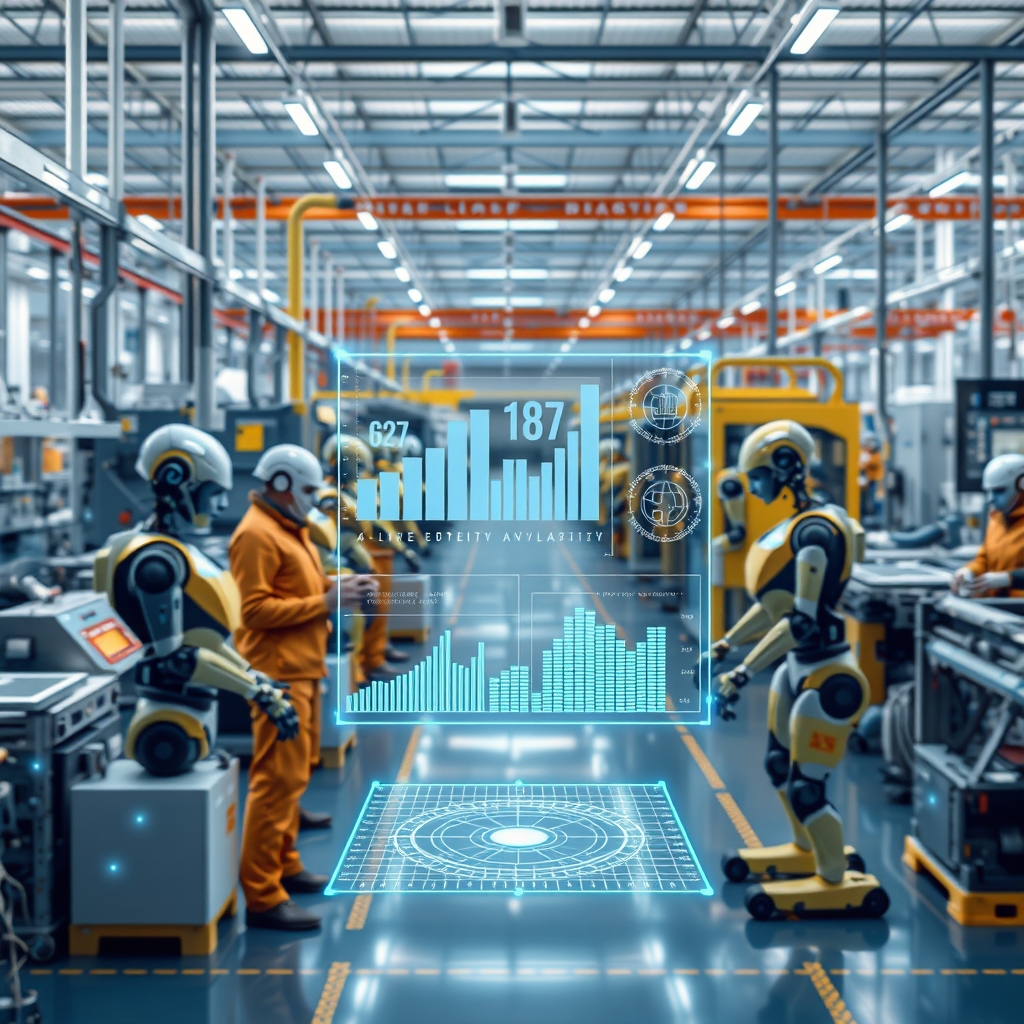
In the fast-paced world of modern manufacturing, the ability to adapt and respond to changing conditions in real time is no longer a luxury—it’s a necessity. Agile manufacturing processes, underpinned by advanced technologies, are enabling factories to pivot quickly, reduce waste, and deliver higher-quality products. At the heart of this transformation lies real-time process analytics, a powerful tool that turns raw data into actionable insights, driving efficiency and innovation across the production floor.
The Power of Real-Time Data in Manufacturing
Traditional manufacturing systems often rely on batch processing of data, where insights are generated hours or even days after an event occurs. This delay can lead to missed opportunities, inefficiencies, and costly errors. Real-time process analytics, however, changes the game by providing instant visibility into every aspect of production. Sensors, IoT devices, and edge computing technologies collect and analyze data on the fly, allowing manufacturers to detect anomalies, optimize workflows, and make informed decisions in the moment.
For example, in a smart factory setting, real-time analytics can monitor equipment performance, track energy consumption, and predict potential bottlenecks before they disrupt production. This level of visibility not only enhances operational efficiency but also supports lean operational excellence by minimizing downtime and reducing waste. The result? A more responsive, resilient, and competitive manufacturing operation.
Enhancing Predictive Quality Control with Real-Time Insights
Quality control has long been a cornerstone of manufacturing, but traditional methods often involve reactive measures—identifying defects after they’ve already occurred. Real-time process analytics flips this model on its head by enabling predictive quality control. By continuously analyzing data from production lines, manufacturers can identify patterns and trends that signal potential quality issues before they escalate.
For instance, machine learning algorithms can detect subtle deviations in product dimensions or material properties, triggering alerts for corrective action. This proactive approach not only reduces scrap and rework but also ensures that products meet the highest standards of quality. Moreover, it aligns with the principles of data-driven production efficiency, where decisions are based on empirical evidence rather than guesswork.
Integrating Real-Time Analytics with Digital Twin Manufacturing
One of the most exciting applications of real-time process analytics is its integration with digital twin manufacturing. A digital twin is a virtual replica of a physical manufacturing system, updated in real time with data from sensors and IoT devices. By combining real-time analytics with digital twins, manufacturers can simulate and optimize production processes before implementing changes in the real world.
This synergy allows for rapid experimentation and iteration, reducing the risk of costly errors. For example, a manufacturer can use a digital twin to test different production scenarios, such as adjusting machine speeds or reconfiguring workflows, to identify the most efficient approach. The insights gained from these simulations can then be applied to the physical production line, ensuring that changes are both effective and scalable.
Driving Agile Manufacturing with Modular Systems
Agility in manufacturing is not just about speed—it’s about flexibility. Modular manufacturing systems are designed to be easily reconfigured, allowing factories to quickly adapt to changing product demands or market conditions. Real-time process analytics plays a crucial role in this adaptability by providing the data needed to optimize modular workflows.
For example, in a modular assembly line, real-time analytics can track the performance of individual modules, identifying opportunities to improve efficiency or reduce energy consumption. This data-driven approach ensures that each module operates at peak performance, while also enabling seamless integration with other modules as production needs evolve. The result is a manufacturing system that is not only agile but also highly efficient and sustainable.
The Role of Collaborative Robotics in Real-Time Analytics
Collaborative robots, or cobots, are another key enabler of agile manufacturing. These robots work alongside human operators, performing repetitive or dangerous tasks with precision and consistency. When combined with real-time process analytics, cobots become even more powerful, as they can adapt their actions based on live data from the production floor.
For instance, a cobot equipped with real-time analytics can adjust its speed or trajectory in response to changes in the production environment, such as variations in material properties or unexpected obstacles. This level of adaptability not only enhances productivity but also improves safety by reducing the risk of accidents. Moreover, it supports human-centric production by allowing workers to focus on higher-value tasks, such as problem-solving and innovation.
Building a Sustainable and Ethical Manufacturing Ecosystem
Sustainability and ethics are increasingly important considerations in modern manufacturing. Real-time process analytics can help manufacturers reduce their environmental footprint by optimizing energy use, minimizing waste, and ensuring compliance with ethical sourcing standards. For example, analytics can track the carbon emissions of production processes, identifying opportunities to switch to renewable energy sources or improve energy efficiency.
Additionally, real-time analytics can support ethical sourcing transparency by providing visibility into the supply chain. Manufacturers can track the origin of raw materials, ensuring that they are sourced responsibly and in compliance with environmental and social standards. This not only enhances the company’s reputation but also meets the growing demand from consumers for sustainable and ethically produced goods.
The journey from data to decisions is transforming the manufacturing landscape, enabling factories to operate with unprecedented speed, efficiency, and adaptability. Real-time process analytics is not just a tool—it’s a catalyst for innovation, driving agile manufacturing processes that are responsive, sustainable, and future-ready. As manufacturers continue to embrace these technologies, the possibilities for growth and improvement are limitless, paving the way for a new era of smart, connected, and customer-centric production.