The Alchemy of Efficiency: How Predictive Quality Control and Human-Centric Production Are Crafting the Future of Smart Factories
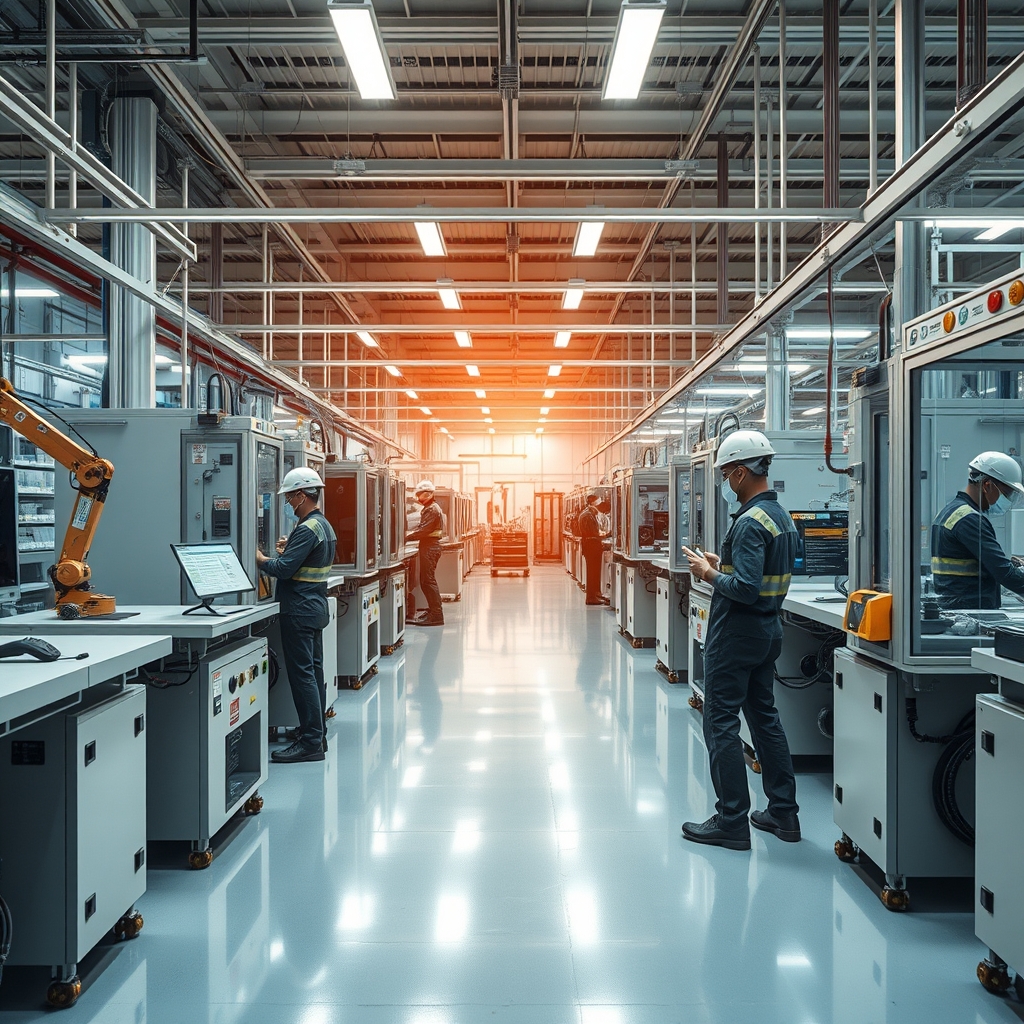
In the heart of the industrial revolution, smart factories are emerging as the new frontier, blending cutting-edge technology with human ingenuity to create a more efficient, sustainable, and agile manufacturing landscape. At the core of this transformation are two pivotal elements: predictive quality control and human-centric production. These elements are not just buzzwords; they are the alchemy that is crafting the future of smart factories.
Predictive Quality Control: The Crystal Ball of Manufacturing
Predictive quality control is the unsung hero of smart factories. It is the crystal ball that allows manufacturers to foresee potential quality issues before they even occur. By leveraging real-time data analytics, machine learning, and IoT sensors, predictive quality control systems can predict the likelihood of defects, enabling proactive measures to be taken. This not only reduces waste but also enhances product quality, customer satisfaction, and ultimately, the bottom line.
The Role of Data in Predictive Quality Control
Data is the lifeblood of predictive quality control. Every piece of data, from the temperature of the production environment to the speed of the machinery, is collected and analyzed. This data is then used to train machine learning models that can predict potential quality issues. The more data that is available, the more accurate these predictions become. This is why smart factories are investing heavily in IoT sensors and data analytics platforms.
Implementing Predictive Quality Control
Implementing predictive quality control is not a one-size-fits-all process. It requires a deep understanding of the specific manufacturing process, the types of defects that are most likely to occur, and the data that is most relevant to predicting these defects. It also requires a cultural shift, as it involves moving from a reactive to a proactive approach to quality control. However, the rewards are significant, with improved product quality, reduced waste, and enhanced customer satisfaction.
Human-Centric Production: The Human Touch in the Age of Automation
While automation and AI are driving the efficiency and agility of smart factories, human-centric production is ensuring that the human element is not lost in the process. It is about creating a manufacturing environment that is not just efficient and automated, but also empowering and engaging for the workforce.
The Role of Human-Centric Production
Human-centric production is about more than just providing a comfortable and safe working environment. It is about creating a culture of continuous learning and improvement, where employees are encouraged to share their knowledge and expertise. It is about using technology to augment human capabilities, rather than replace them. This approach not only enhances productivity and quality, but also improves employee satisfaction and retention.
Implementing Human-Centric Production
Implementing human-centric production requires a holistic approach that considers the physical, social, and psychological needs of the workforce. It involves investing in technology that supports and empowers employees, such as collaborative robots that work alongside humans, and data analytics tools that provide real-time feedback and insights. It also involves creating a culture of continuous learning and improvement, where employees are encouraged to share their knowledge and expertise.
The future of smart factories is not about automation for the sake of automation, or about replacing humans with machines. It is about creating a manufacturing environment that is efficient, sustainable, and agile, while also empowering and engaging the workforce. Predictive quality control and human-centric production are the alchemy that is making this vision a reality. As we continue to navigate the complexities of the industrial revolution, these elements will be the guiding stars that illuminate the path to the future of manufacturing.