The Next Frontier in Manufacturing: How Experiential Product Prototyping and Real-Time Analytics Are Shaping Agile Factories
In the rapidly evolving landscape of modern manufacturing, the convergence of experiential product prototyping and real-time process analytics is emerging as a transformative force. These innovations are not merely incremental improvements but foundational shifts that enable factories to operate with unprecedented agility, precision, and responsiveness. As industries grapple with rising consumer demands, supply chain complexities, and the need for sustainable practices, the integration of these technologies is proving to be a game-changer.
The Rise of Experiential Product Prototyping
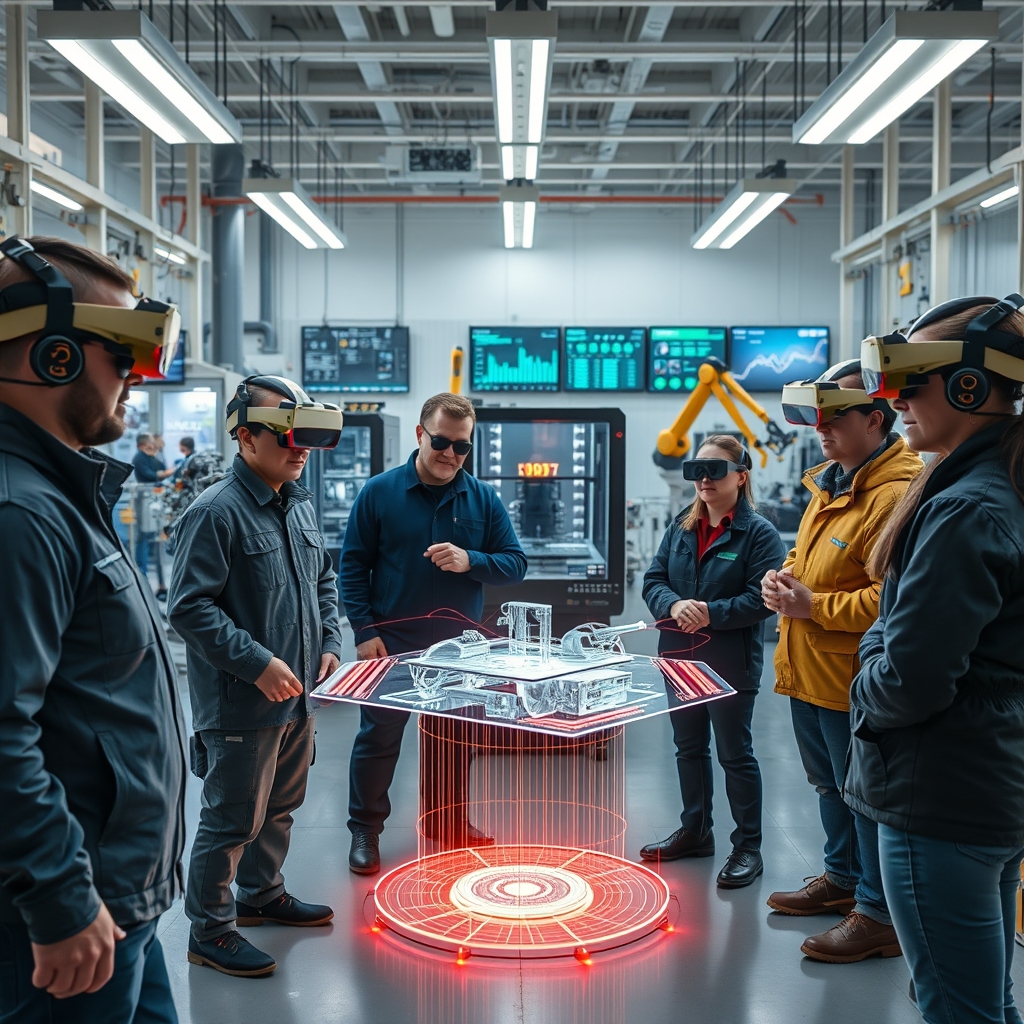
Experiential product prototyping represents a paradigm shift from traditional, linear product development cycles to a dynamic, iterative process. Unlike conventional methods that rely on static models and delayed feedback, experiential prototyping leverages advanced tools such as virtual reality (VR), augmented reality (AR), and additive manufacturing to create immersive, interactive models. These technologies allow designers, engineers, and even end-users to engage with prototypes in real-time, providing instant feedback that accelerates refinement and innovation.
For instance, automotive manufacturers are using VR environments to simulate vehicle designs, enabling teams to test ergonomics, aesthetics, and functionality before a single physical component is produced. This not only reduces the time and cost associated with physical prototyping but also fosters creativity by allowing teams to explore multiple design iterations rapidly. The result is a product that is not only technically superior but also deeply aligned with customer expectations.
Bridging the Gap Between Design and Production
One of the most significant advantages of experiential prototyping is its ability to bridge the gap between design and production. In traditional workflows, misalignments between these phases often lead to costly revisions and delays. However, by integrating prototyping tools with digital twin manufacturing systems, manufacturers can create a seamless feedback loop. Digital twins—virtual replicas of physical systems—enable real-time monitoring and simulation of production processes, ensuring that design intentions are accurately translated into manufacturing outcomes.
This synergy is particularly valuable in industries like aerospace and medical devices, where precision and reliability are paramount. For example, a medical device company can use experiential prototyping to test the usability of a new surgical tool in a VR environment, while simultaneously simulating its manufacturability using a digital twin. This dual approach minimizes risks and ensures that the final product meets both functional and production requirements.
The Power of Real-Time Process Analytics
While experiential prototyping focuses on the design phase, real-time process analytics are revolutionizing the production floor. By harnessing the power of IoT sensors, machine learning, and cloud computing, manufacturers can now monitor and analyze every aspect of their operations with unprecedented granularity. This data-driven approach enables proactive decision-making, reducing downtime, optimizing resource allocation, and enhancing overall efficiency.
From Reactive to Predictive Manufacturing
Historically, manufacturing processes have been reactive, with issues addressed only after they arise. Real-time analytics shift this dynamic by providing actionable insights before problems occur. For example, predictive quality control systems can analyze data from production lines to identify patterns that precede defects, allowing operators to intervene before faulty products are manufactured. This not only improves product quality but also reduces waste and rework costs.
Moreover, real-time analytics enable agile manufacturing processes by allowing factories to adapt quickly to changing conditions. For instance, if a sudden spike in demand occurs, analytics can help reallocate resources, adjust production schedules, and even reroute supply chains to meet the new requirements. This level of flexibility is essential in today’s fast-paced market, where responsiveness can be the difference between success and failure.
Human-Centric Production in the Digital Age
Despite the advancements in automation and analytics, the human element remains central to manufacturing. The concept of human-centric production emphasizes the importance of empowering workers with the tools and knowledge they need to thrive in a digital environment. This approach recognizes that technology should augment human capabilities, not replace them, fostering a collaborative ecosystem where humans and machines work in harmony.
Empowering the Workforce with Technology
Tech-enabled workforce training is a critical component of human-centric production. As manufacturing processes become more complex, the need for skilled workers who can operate, maintain, and optimize advanced systems grows. Immersive training programs, such as AR-based simulations, allow workers to gain hands-on experience with new technologies in a risk-free environment. This not only accelerates the learning curve but also boosts confidence and engagement.
Collaborative robotics, or cobots, are another example of how technology can enhance human productivity. Unlike traditional industrial robots, cobots are designed to work alongside humans, assisting with repetitive or physically demanding tasks. This collaboration not only improves efficiency but also reduces the risk of workplace injuries, creating a safer and more sustainable work environment.
The Role of Ethical and Sustainable Practices
Human-centric production also extends to ethical and sustainable practices. As consumers and regulators increasingly prioritize transparency and sustainability, manufacturers must ensure that their operations align with these values. This includes ethical sourcing of materials, reducing carbon footprints, and implementing circular economy principles. Real-time analytics can play a pivotal role here by providing visibility into supply chains, enabling manufacturers to track the origins of materials and ensure compliance with ethical standards.
The integration of experiential product prototyping and real-time process analytics is not just a technological evolution but a cultural one. It requires a shift in mindset, where manufacturers embrace agility, collaboration, and continuous improvement as core principles. Factories that successfully adopt these innovations will not only enhance their operational efficiency but also create products that resonate with consumers on a deeper level. As the manufacturing landscape continues to evolve, those who leverage these tools to their fullest potential will lead the charge into the next era of industrial excellence, where innovation and human ingenuity go hand in hand to shape the future.