The Invisible Thread: How Data-Driven Production Efficiency Weaves Together Smart Factory Integration and Sustainable Supply Chains
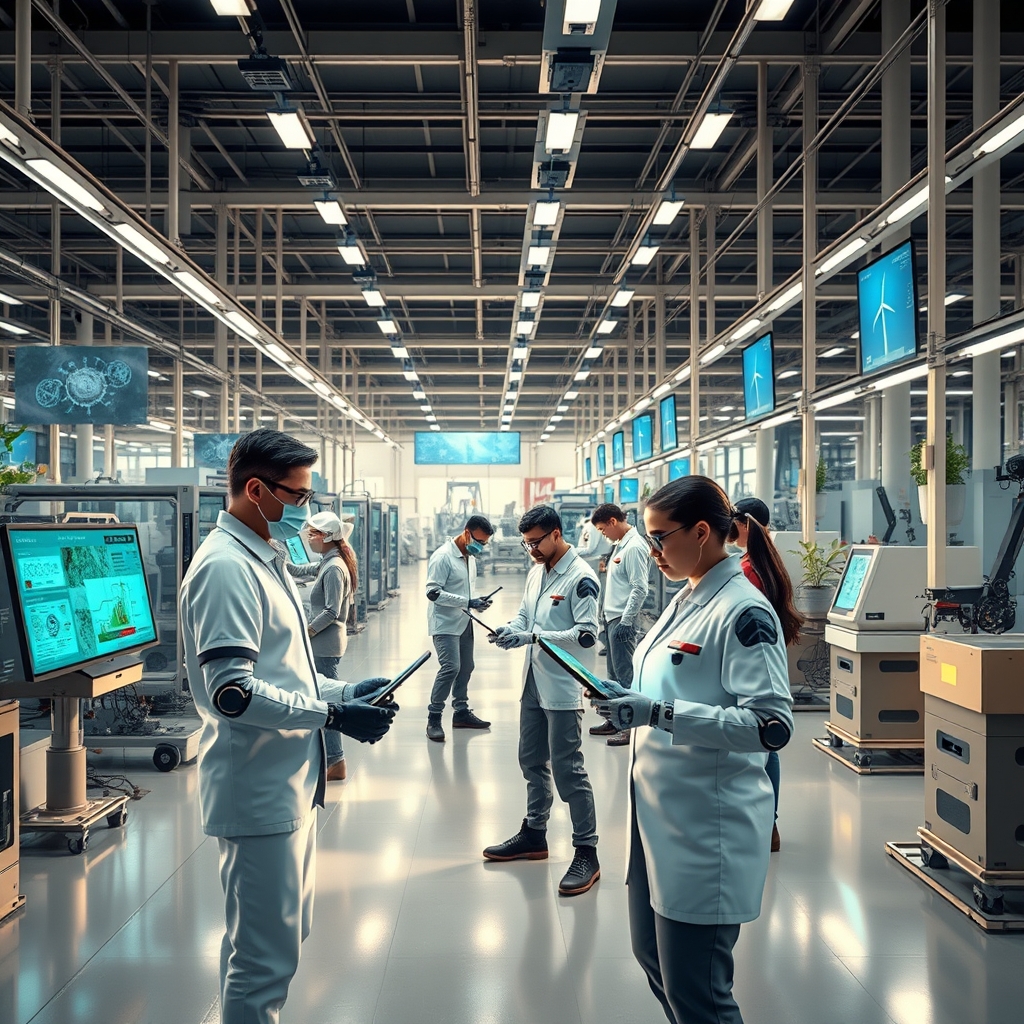
In the heart of a modern smart factory, the hum of machinery is no longer a chaotic symphony but a carefully orchestrated dance. Every sensor, every robotic arm, and every line of code works in harmony, not just to produce goods, but to do so with an intelligence that was unimaginable a decade ago. At the core of this transformation lies data-driven production efficiency, a force so subtle yet so powerful that it acts as the invisible thread weaving together the disparate elements of smart factory integration and sustainable supply chains.
The Data Deluge: Turning Numbers into Narratives
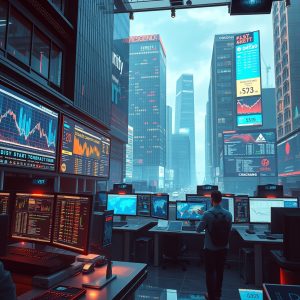
Factories today are drowning in data. From the temperature of a cutting tool to the vibration of a conveyor belt, every aspect of production generates information. The challenge—and the opportunity—lies in transforming this deluge of data into actionable insights. Real-time process analytics have emerged as the linchpin in this endeavor, providing manufacturers with the ability to monitor, analyze, and optimize operations as they happen. No longer do factories operate in the dark, waiting for end-of-shift reports to identify inefficiencies. Instead, they operate with the precision of a surgeon, making micro-adjustments that collectively drive macro improvements.
Consider a scenario where a production line begins to experience slight deviations in product dimensions. In a traditional setup, this issue might go unnoticed until quality control flags a batch of defective products. By then, the cost of rework or scrap has already been incurred. However, with real-time analytics, the system detects the anomaly within seconds, cross-references it with historical data, and pinpoints the root cause—a misaligned tool or a worn-out component. The result? A near-instantaneous correction that prevents waste and maintains quality standards.
The Human Element: Where Data Meets Intuition
While data is the backbone of modern manufacturing, it is not a silver bullet. The true magic happens when data intersects with human expertise, creating a synergy that elevates human-centric production to new heights. Factories are no longer places where workers are reduced to cogs in a machine; instead, they are environments where technology augments human capabilities, enabling workers to focus on tasks that require creativity, problem-solving, and emotional intelligence.
Take, for example, the deployment of collaborative robotics. These robots are designed to work alongside humans, taking over repetitive or physically demanding tasks while leaving complex decision-making to their human counterparts. The result is a workforce that is not only more productive but also more engaged. Workers are freed from the monotony of assembly lines and empowered to contribute in ways that add greater value to the production process. This shift is not just about efficiency; it’s about redefining the role of humans in manufacturing, making it more fulfilling and sustainable in the long run.
Training for the Future: The Tech-Enabled Workforce
Of course, this transformation doesn’t happen overnight. It requires a workforce that is not only willing to adapt but also equipped with the skills to thrive in a tech-driven environment. Tech-enabled workforce training has become a critical component of smart factory integration, ensuring that employees are prepared to leverage new tools and methodologies. Virtual reality (VR) simulations, augmented reality (AR) overlays, and AI-driven learning platforms are just a few of the innovations reshaping how workers are trained.
Imagine a new employee stepping onto the factory floor for the first time. Instead of poring over thick manuals or shadowing a colleague for weeks, they don a VR headset and are immersed in a simulated environment where they can practice operating machinery, troubleshooting issues, and even collaborating with virtual robots. This hands-on, experiential approach not only accelerates the learning curve but also builds confidence, ensuring that workers are ready to hit the ground running.
The Ripple Effect: From Factory Floor to Supply Chain
The impact of data-driven production efficiency extends far beyond the factory walls. In an era where sustainable supply chains are no longer a luxury but a necessity, the ability to optimize every link in the chain has become paramount. Data analytics enable manufacturers to predict demand with greater accuracy, reducing overproduction and minimizing waste. They also provide visibility into the sourcing of raw materials, ensuring that ethical and environmental standards are met.
For instance, a manufacturer using digital twin manufacturing can create a virtual replica of their entire supply chain, simulating different scenarios to identify potential bottlenecks or risks. If a supplier in a distant country is facing delays due to geopolitical tensions, the digital twin can model the impact on production schedules and suggest alternative sourcing strategies. This level of foresight not only safeguards against disruptions but also ensures that sustainability goals are not compromised in the pursuit of efficiency.
Ethical Sourcing: Transparency as a Competitive Advantage
In today’s globalized economy, consumers and regulators alike are demanding greater transparency in how products are made. Ethical sourcing transparency is no longer just a moral imperative; it’s a business imperative. Manufacturers that can trace the origins of their raw materials, verify fair labor practices, and demonstrate a commitment to environmental stewardship are gaining a competitive edge in the marketplace.
Blockchain technology is playing a pivotal role in this shift, providing an immutable ledger that records every transaction in the supply chain. From the mining of cobalt for batteries to the weaving of cotton for textiles, every step can be documented and verified. This not only builds trust with consumers but also enables manufacturers to identify and address inefficiencies or unethical practices in their supply chains. The result is a more sustainable, resilient, and responsible manufacturing ecosystem.
The Road Ahead: Balancing Innovation with Responsibility
As smart factories continue to evolve, the challenge will be to balance innovation with responsibility. The tools and technologies at our disposal—AI, IoT, robotics, and data analytics—offer unprecedented opportunities to enhance efficiency, quality, and sustainability. However, they also come with ethical and practical considerations. How do we ensure that the benefits of automation are shared equitably? How do we prevent data from becoming a tool of surveillance rather than empowerment? How do we maintain the human touch in an increasingly digital world?
The factories of the future will not be defined solely by their technological prowess but by their ability to harmonize these innovations with the needs of people and the planet. Data-driven production efficiency is not just about doing more with less; it’s about doing better—better for workers, better for customers, and better for the environment. As manufacturers continue to embrace this mindset, the invisible thread of data will weave together not just machines and processes, but a more sustainable and inclusive industrial future. The journey has only just begun, and the possibilities are as limitless as the data that fuels them.