
The Alchemy of Efficiency: How Predictive Quality Control and Human-Centric Production Are Crafting the Future of Smart Factories
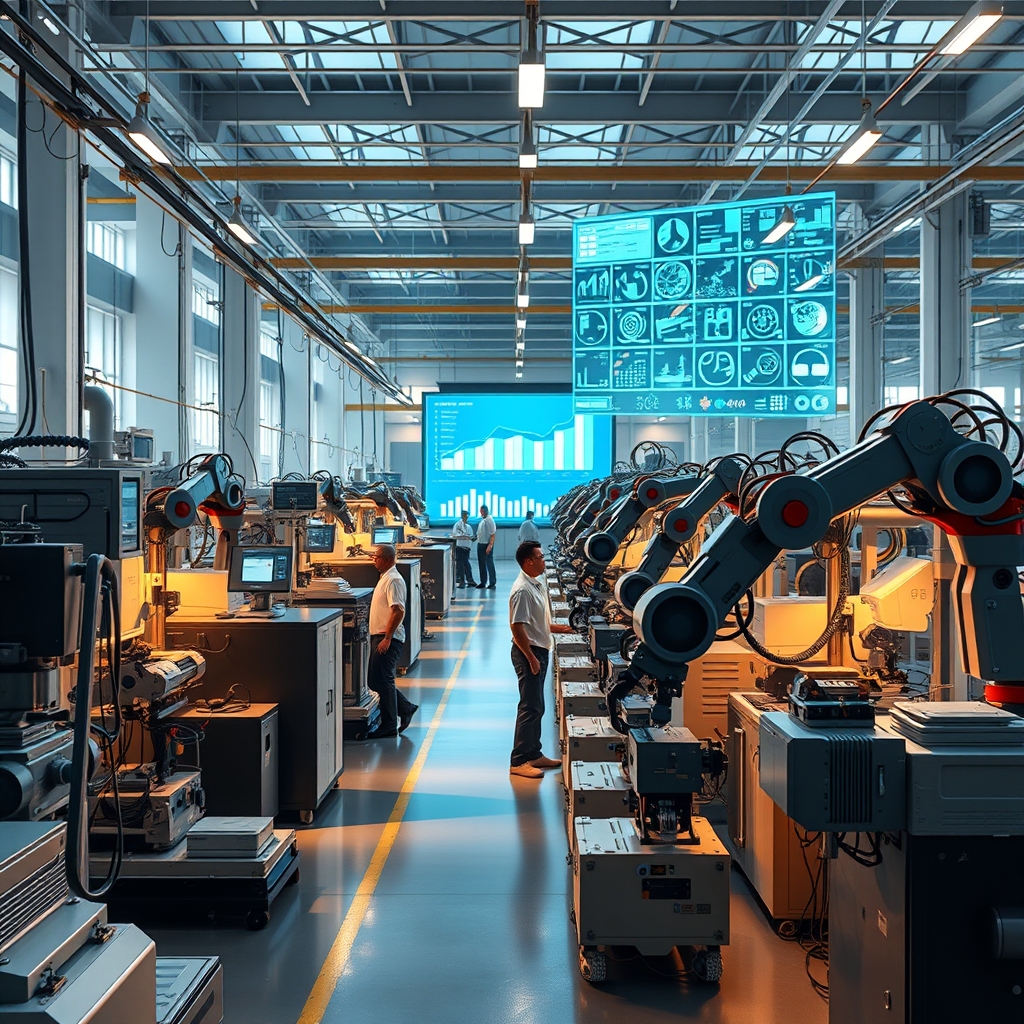
In the heart of the industrial revolution, a new alchemy is taking place. It’s not the kind of magic that turns lead into gold, but a digital transformation that’s turning factories into smart, efficient, and human-centric powerhouses. At the core of this alchemy are two powerful ingredients: predictive quality control and human-centric production.
The Alchemy of Predictive Quality Control
Predictive quality control is the first ingredient in our alchemical brew. It’s a data-driven approach that uses historical data, real-time process analytics, and machine learning algorithms to predict and prevent quality issues before they occur. It’s like having a crystal ball that shows you the future of your production line.
The Power of Data
The power of predictive quality control lies in its ability to harness the vast amounts of data generated by modern factories. From sensor data to machine logs, from production schedules to quality inspection reports, every piece of data is a potential ingredient in our alchemical recipe. By analyzing this data, we can identify patterns, trends, and anomalies that could indicate potential quality issues.
The Role of Machine Learning
Machine learning is the secret ingredient that turns raw data into actionable insights. By training machine learning models on historical data, we can create predictive models that can forecast the likelihood of quality issues. These models can then be used to optimize production processes, adjust machine parameters, and even predict the remaining useful life of equipment.
The Alchemy of Human-Centric Production
While predictive quality control is about the digital side of the equation, human-centric production is about the human side. It’s an approach that puts the needs and capabilities of the workforce at the center of the production process. It’s about creating a factory that’s not just efficient, but also enjoyable and fulfilling to work in.
The Importance of Workforce Training
At the heart of human-centric production is a well-trained and skilled workforce. This is where tech-enabled workforce training comes into play. By providing employees with the right tools, knowledge, and skills, we can empower them to take on more complex tasks, make better decisions, and contribute to the overall success of the factory.
The Role of Collaborative Robotics
Collaborative robotics, or cobots, are another key ingredient in our human-centric production recipe. These robots are designed to work alongside human workers, augmenting their capabilities and enhancing their productivity. By taking on repetitive, dangerous, or mundane tasks, cobots can free up human workers to focus on more creative, strategic, and value-added activities.
The Alchemy of Efficiency
When we combine predictive quality control and human-centric production, we create a factory that’s not just smart, but also efficient. By predicting and preventing quality issues, we can minimize waste, reduce downtime, and improve overall productivity. By putting the needs and capabilities of the workforce at the center of the production process, we can create a factory that’s not just efficient, but also enjoyable and fulfilling to work in.
In the future, we can expect to see even more sophisticated forms of predictive quality control and human-centric production. As the industrial internet of things (IIoT) continues to evolve, we’ll have access to even more data, enabling us to create even more accurate predictive models. As the field of human-computer interaction continues to advance, we’ll be able to create even more intuitive and user-friendly interfaces, empowering workers to take on even more complex tasks.
In the end, the alchemy of efficiency is not about replacing human workers with machines. It’s about using technology to augment human capabilities, create a more efficient and productive factory, and ultimately, create a better future for everyone involved.