Optimizing Additive Manufacturing Workflows: The Intersection of Predictive Quality Control and Human-Centric Production
Additive manufacturing, commonly known as 3D printing, has revolutionized the way industries approach production. Unlike traditional subtractive methods, additive manufacturing builds components layer by layer, offering unprecedented design flexibility and material efficiency. However, the true potential of this technology is unlocked when integrated with advanced workflows that emphasize predictive quality control and human-centric production. This synergy not only enhances product quality but also fosters innovation and sustainability in modern manufacturing environments.
The Evolution of Additive Manufacturing Workflows
Additive manufacturing has come a long way from its origins as a rapid prototyping tool. Today, it is a cornerstone of scalable industrial solutions, enabling manufacturers to produce complex geometries that were once deemed impossible. The evolution of additive manufacturing workflows has been driven by advancements in software, materials, and process optimization. These workflows now incorporate real-time process analytics, allowing manufacturers to monitor and adjust parameters dynamically, ensuring consistency and reducing waste.
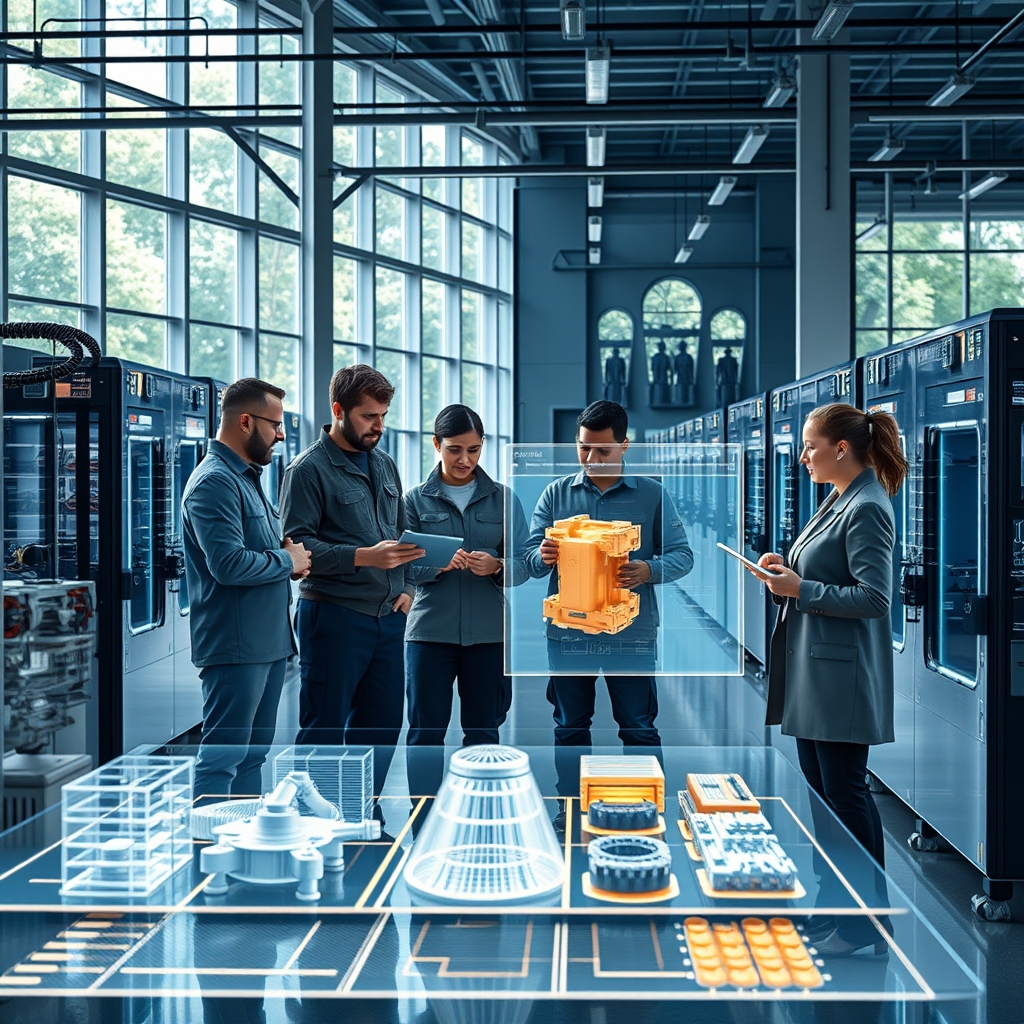
One of the most significant developments in additive manufacturing is the integration of digital twin technology. A digital twin is a virtual replica of a physical manufacturing process, providing a real-time simulation that mirrors the actual production environment. This technology enables manufacturers to predict potential issues before they occur, optimizing the workflow and minimizing downtime. By leveraging digital twins, companies can achieve a level of precision and control that was previously unattainable, making additive manufacturing a viable option for large-scale production.
The Role of Predictive Quality Control
Predictive quality control is a game-changer in additive manufacturing. Traditional quality control methods often rely on post-production inspections, which can be time-consuming and costly. In contrast, predictive quality control uses data-driven insights to identify potential defects during the manufacturing process itself. This proactive approach not only improves product quality but also reduces the need for rework and scrap, leading to significant cost savings.
Machine learning algorithms play a crucial role in predictive quality control. These algorithms analyze vast amounts of data generated during the additive manufacturing process, identifying patterns and anomalies that may indicate potential defects. For example, variations in temperature, layer adhesion, or material deposition can be detected in real-time, allowing operators to make immediate adjustments. This level of control ensures that each component meets the required specifications, enhancing the overall reliability of the manufacturing process.
Human-Centric Production in Additive Manufacturing
While automation and data-driven technologies are transforming additive manufacturing, the human element remains indispensable. Human-centric production emphasizes the importance of empowering workers with the tools and knowledge they need to excel in a tech-enabled environment. This approach not only improves job satisfaction but also enhances productivity and innovation.
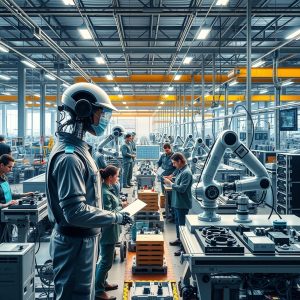
Tech-enabled workforce training is a critical component of human-centric production. As additive manufacturing technologies evolve, so too must the skills of the workforce. Training programs that focus on digital literacy, problem-solving, and collaboration are essential for preparing workers to operate advanced manufacturing systems. Additionally, collaborative robotics, or cobots, are increasingly being integrated into additive manufacturing workflows. These robots work alongside human operators, assisting with repetitive tasks and enhancing overall efficiency without replacing the human touch.
Sustainable and Agile Manufacturing
Additive manufacturing inherently supports sustainable supply chains by reducing material waste and energy consumption. Unlike traditional manufacturing methods, which often result in significant material loss, additive manufacturing uses only the material necessary to build the component. This efficiency not only lowers production costs but also minimizes the environmental impact of manufacturing operations.
Moreover, additive manufacturing enables agile manufacturing processes by allowing for rapid prototyping and on-demand production. This flexibility is particularly valuable in industries where customization and quick turnaround times are critical. By integrating modular manufacturing systems, companies can easily scale production up or down based on demand, reducing lead times and improving customer satisfaction.
Challenges and Future Outlook
Despite its many advantages, additive manufacturing is not without challenges. One of the primary hurdles is the need for standardized processes and materials. The lack of industry-wide standards can lead to inconsistencies in product quality and performance. However, ongoing research and collaboration among industry leaders are driving the development of standardized protocols, which will further enhance the reliability and scalability of additive manufacturing.
Another challenge is the integration of additive manufacturing into existing production lines. Many manufacturers operate hybrid systems that combine traditional and additive methods. Seamless integration requires careful planning and investment in technology, but the long-term benefits—such as reduced costs and increased flexibility—make it a worthwhile endeavor.
As additive manufacturing continues to evolve, its role in the future of production will only grow more significant. The convergence of predictive quality control, human-centric production, and sustainable practices is creating a new paradigm for manufacturing—one that is agile, efficient, and responsive to the needs of both businesses and consumers. By embracing these innovations, manufacturers can not only stay ahead of the competition but also contribute to a more sustainable and resilient industrial ecosystem, where technology and human ingenuity work hand in hand to shape the future of production.