The Future of Manufacturing: How Smart Factories Are Redefining Industry 4.0
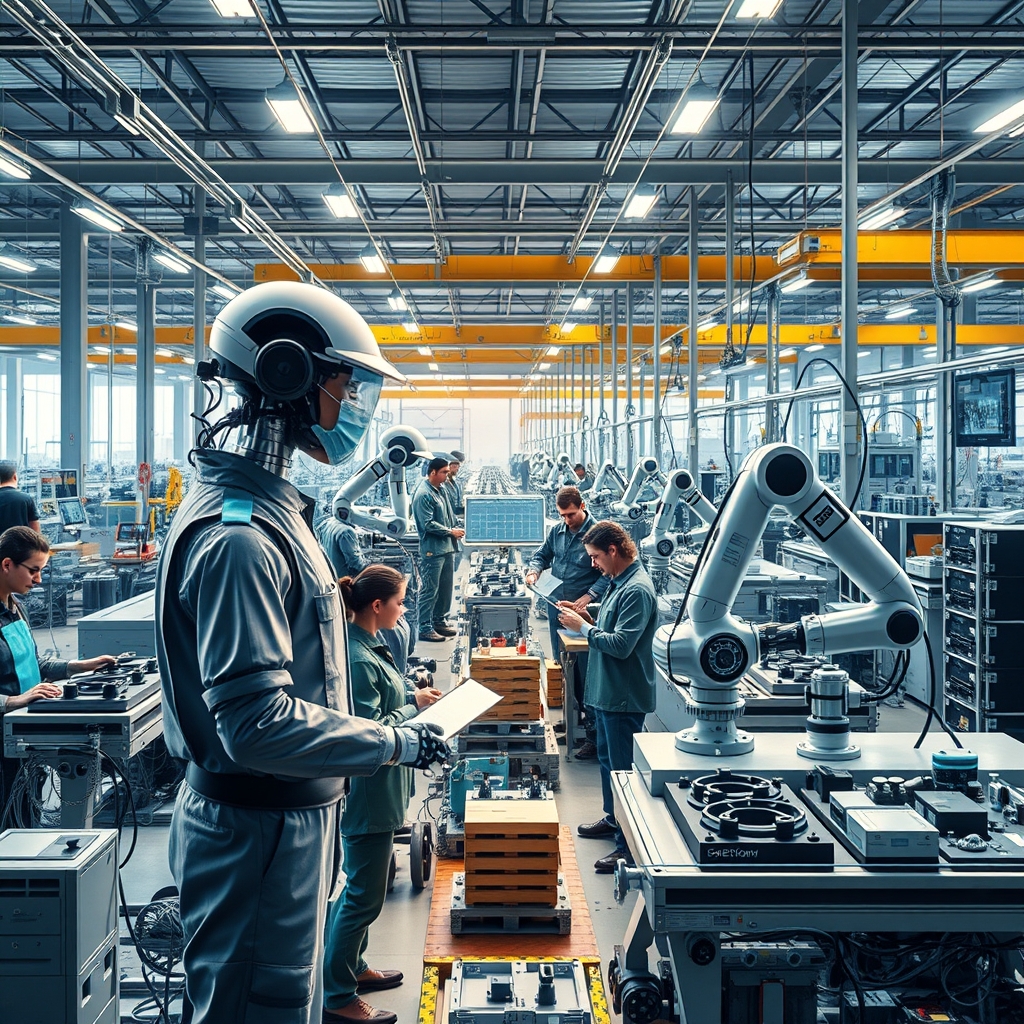
In the heart of the industrial revolution, a new paradigm is emerging, reshaping the landscape of manufacturing. Smart factories, powered by Industry 4.0 technologies, are at the forefront of this transformation, promising unprecedented efficiency, sustainability, and agility. At the core of this revolution are several key technologies and practices that are driving the future of manufacturing.
Smart Factory Integration
Smart factory integration involves the seamless connection of various technologies and systems within a manufacturing facility. This integration enables real-time data exchange, automated decision-making, and improved operational efficiency. By integrating technologies such as the Internet of Things (IoT), cloud computing, and cyber-physical systems, smart factories can achieve a higher level of automation and optimization.
Predictive Quality Control
Predictive quality control is a critical component of smart factory integration. By leveraging data analytics and machine learning, manufacturers can predict potential quality issues before they occur. This proactive approach not only reduces waste but also enhances product quality, leading to increased customer satisfaction and loyalty.
Human-Centric Production
While automation and technology are driving the future of manufacturing, human-centric production remains a cornerstone of smart factories. By empowering workers with the right tools and training, manufacturers can create a more agile and responsive production environment. Human-centric production emphasizes the importance of workforce empowerment, collaboration, and continuous learning.
Digital Twin Manufacturing
Digital twin manufacturing involves the creation of a virtual replica of a physical manufacturing process. This digital twin can be used to simulate and optimize production processes, predict equipment failures, and improve overall efficiency. By leveraging digital twin technology, manufacturers can achieve a higher level of precision and control over their operations.
Sustainable Supply Chain
Sustainable supply chain management is another key aspect of smart factory integration. By incorporating ethical sourcing, waste reduction, and energy efficiency into their operations, manufacturers can create a more sustainable and environmentally friendly production environment. Sustainable supply chain management not only benefits the planet but also enhances the long-term viability of manufacturing businesses.
Additive Manufacturing Workflows
Additive manufacturing, also known as 3D printing, is revolutionizing the way manufacturers produce products. By enabling the creation of complex geometries and customized products, additive manufacturing workflows are opening up new possibilities for innovation and customization. This technology is particularly well-suited for smart factories, where agility and flexibility are essential.
Experiential Product Prototyping
Experiential product prototyping involves the creation of physical prototypes that allow users to interact with and experience the product firsthand. This approach not only helps manufacturers gather valuable feedback and insights but also enhances the overall product development process. By leveraging experiential product prototyping, manufacturers can create more user-centric and innovative products.
Real-Time Process Analytics
Real-time process analytics involves the continuous monitoring and analysis of production data to identify trends, patterns, and anomalies. By leveraging real-time process analytics, manufacturers can achieve a higher level of visibility and control over their operations. This technology enables manufacturers to make data-driven decisions, optimize production processes, and improve overall efficiency.
In conclusion, the future of manufacturing is being shaped by the integration of smart technologies and practices. From smart factory integration and predictive quality control to human-centric production and digital twin manufacturing, these innovations are driving the next wave of industrial revolution. By embracing these technologies and practices, manufacturers can create a more agile, sustainable, and efficient production environment, paving the way for a brighter and more innovative future.