The Art of Adaptive Manufacturing: How Real-Time Analytics and Modular Systems Are Crafting the Responsive Factory of Tomorrow
In the rapidly evolving landscape of modern manufacturing, the ability to adapt swiftly to changing demands, market fluctuations, and unforeseen disruptions has become the cornerstone of industrial success. Factories are no longer static environments where production lines churn out identical products day after day. Instead, they are dynamic ecosystems where agility, precision, and responsiveness reign supreme. At the heart of this transformation lies the fusion of real-time process analytics and modular manufacturing systems—a powerful combination that is redefining what it means to be a smart factory in the 21st century.
The Rise of Real-Time Process Analytics: The Nervous System of the Smart Factory
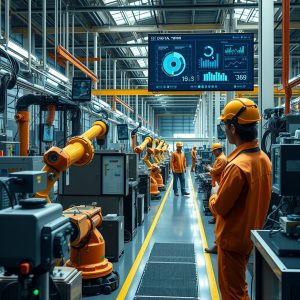
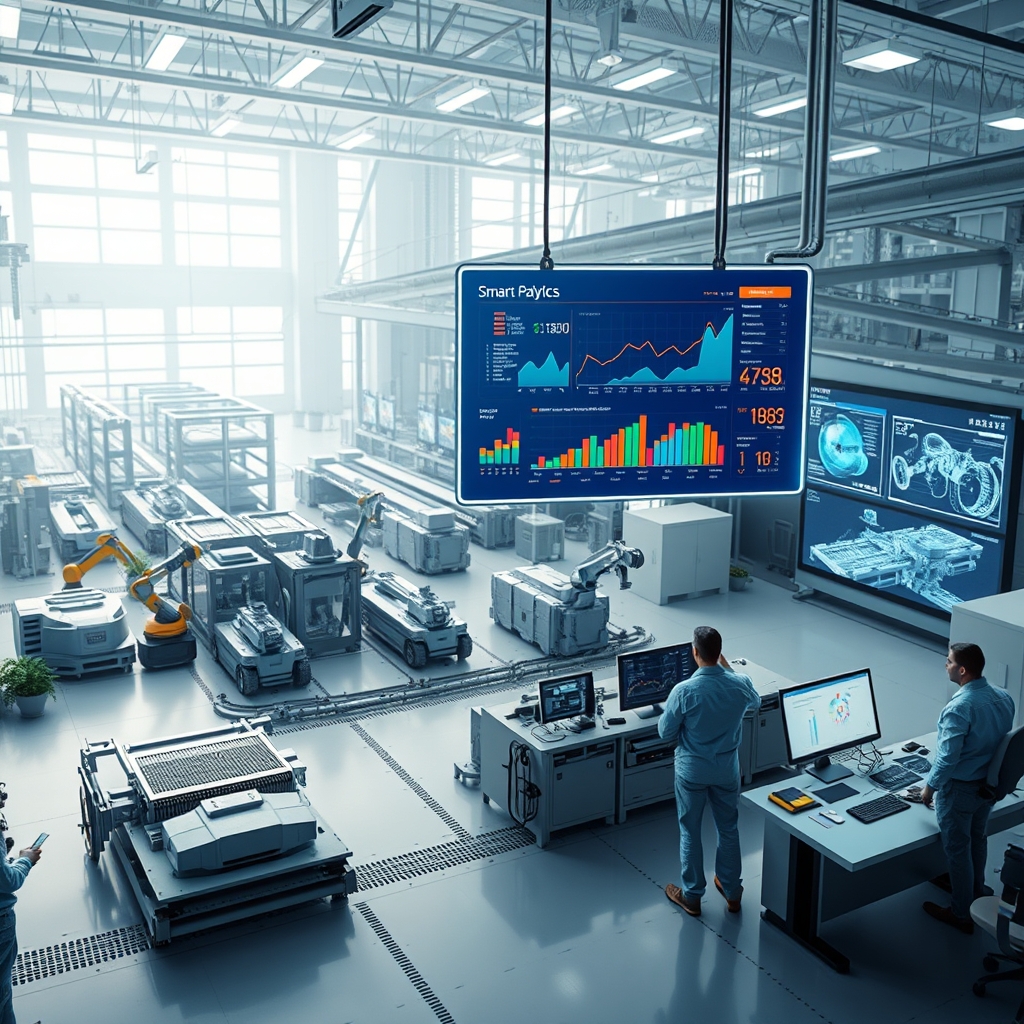
Imagine a factory where every machine, sensor, and workflow is interconnected, continuously generating and analyzing data to optimize performance in the moment. This is the promise of real-time process analytics, a technology that acts as the nervous system of the smart factory. By leveraging advanced sensors, IoT devices, and AI-driven algorithms, manufacturers can monitor production processes with unprecedented granularity. Defects are detected before they escalate, inefficiencies are identified and corrected on the fly, and quality control becomes a proactive rather than reactive endeavor.
For instance, in a high-precision electronics manufacturing plant, real-time analytics can track the performance of soldering robots, ensuring that each joint meets exacting standards. If a deviation is detected—such as a temperature fluctuation or an irregular solder flow—the system can instantly adjust parameters or alert operators, preventing costly defects and downtime. This level of responsiveness is not just about maintaining quality; it’s about creating a factory that learns, adapts, and improves with every production cycle.
Modular Manufacturing Systems: The Building Blocks of Agility
While real-time analytics provide the intelligence, modular manufacturing systems offer the flexibility to act on that intelligence. Traditional manufacturing setups are often rigid, designed for long production runs of a single product. In contrast, modular systems are built around interchangeable components, allowing factories to reconfigure production lines quickly and efficiently. This adaptability is crucial in an era where product lifecycles are shortening, and customization is increasingly in demand.
Consider a automotive manufacturer that needs to switch from producing sedans to SUVs in response to shifting market trends. With a modular system, the factory can rearrange its assembly lines, swap out tooling, and reprogram robots with minimal downtime. This is not just a theoretical advantage—companies like Tesla and BMW have already demonstrated how modular manufacturing can reduce changeover times from weeks to mere hours, enabling them to respond to market demands with unparalleled speed.
The Synergy of Analytics and Modularity: A New Paradigm for Production
The true power of adaptive manufacturing emerges when real-time analytics and modular systems work in tandem. Analytics provide the insights needed to optimize production, while modularity provides the physical flexibility to implement those optimizations. Together, they create a feedback loop where data informs design, and design informs data—a cycle of continuous improvement that drives efficiency, reduces waste, and enhances product quality.
For example, a consumer electronics company using modular systems can quickly prototype and test new product designs. Real-time analytics can then monitor the performance of these prototypes, identifying potential issues in materials, assembly, or functionality. This iterative process allows manufacturers to refine products rapidly, bringing them to market faster and with greater confidence in their performance. The result is a factory that doesn’t just produce goods but evolves alongside the needs of its customers.
Human-Centric Adaptation: Empowering the Workforce in the Age of Agility
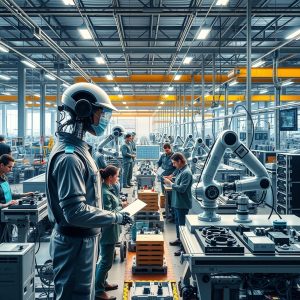
While technology is the driving force behind adaptive manufacturing, the human element remains indispensable. The shift toward real-time analytics and modular systems requires a workforce that is not only skilled but also adaptable. Tech-enabled training programs are essential to equip employees with the knowledge to operate, maintain, and optimize these advanced systems. Collaborative robotics, or cobots, further enhance this human-machine partnership, allowing workers to focus on high-value tasks while robots handle repetitive or physically demanding work.
Moreover, the data generated by real-time analytics can be used to create a more engaging and empowering work environment. Dashboards and visualization tools can provide workers with actionable insights, enabling them to make informed decisions on the shop floor. This democratization of data fosters a culture of continuous improvement, where every employee is a stakeholder in the factory’s success.
Sustainability and Scalability: The Broader Impact of Adaptive Manufacturing
The benefits of adaptive manufacturing extend beyond the factory walls. By optimizing production processes, manufacturers can significantly reduce waste, energy consumption, and carbon emissions, contributing to more sustainable operations. Modular systems, in particular, enable factories to scale production up or down based on demand, avoiding the inefficiencies of overproduction and excess inventory. This scalability is not just a financial advantage—it’s a step toward a more circular economy, where resources are used efficiently and responsibly.
Ethical sourcing and supply chain transparency also play a critical role in this ecosystem. As manufacturers adopt real-time analytics, they gain greater visibility into their supply chains, ensuring that materials are sourced responsibly and that suppliers adhere to environmental and labor standards. This transparency builds trust with consumers and stakeholders, reinforcing the factory’s commitment to sustainability and ethical practices.
The factories of tomorrow are not just smarter—they are more responsive, more sustainable, and more attuned to the needs of both their customers and their workforce. By embracing real-time process analytics and modular manufacturing systems, manufacturers are not just keeping pace with change; they are leading it, crafting a future where adaptability is the ultimate competitive advantage. In this new era, the most successful factories will be those that can pivot with precision, innovate with agility, and deliver value with unwavering consistency, no matter what challenges lie ahead.