
The Rise of the Machines: How Algorithmic Trading Systems Are Redefining Stock Market Analysis and Investment Strategies
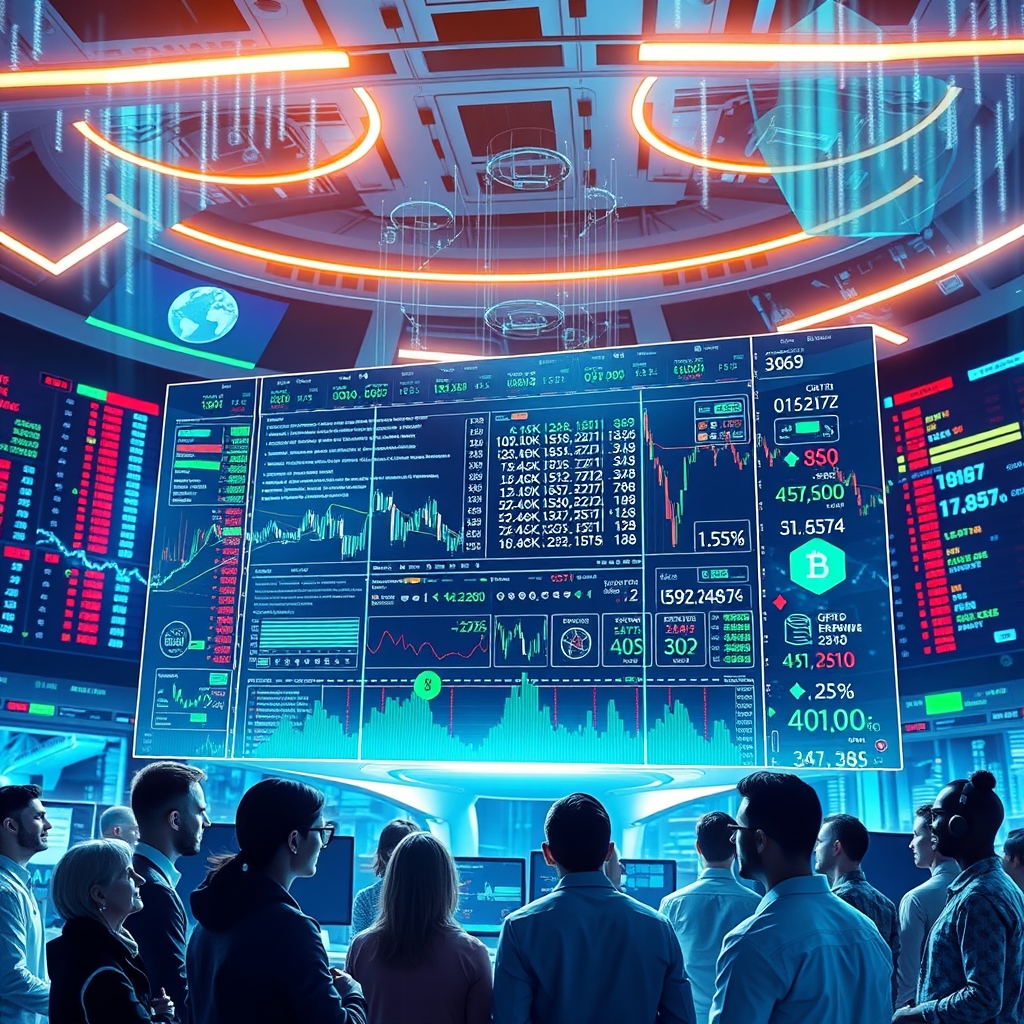
The hum of servers in a dimly lit data center is the new heartbeat of modern finance. Gone are the days when stock market analysis relied solely on the intuition of seasoned traders, their fingers dancing across ticker tapes and their eyes glued to flickering screens. Today, the landscape is dominated by the silent, relentless precision of algorithmic trading systems—machines that process vast oceans of data in milliseconds, making decisions that shape the fortunes of investors worldwide. This shift is not just a technological evolution; it is a revolution that is redefining the very fabric of stock market analysis and investment strategies.
The Algorithmic Advantage: Speed, Precision, and Scale
At the core of algorithmic trading lies an unparalleled ability to execute trades at speeds that human traders can only dream of. These systems, powered by complex mathematical models and machine learning algorithms, analyze market trends, historical data, and real-time news feeds to identify patterns and opportunities that would be invisible to the naked eye. The result? Trades executed in fractions of a second, capitalizing on minute price discrepancies that can mean the difference between profit and loss.
But speed is just one part of the equation. Algorithmic trading systems bring a level of precision to stock market analysis that is transforming how investors approach the market. By leveraging big data and predictive analytics, these systems can forecast market movements with a degree of accuracy that was once thought impossible. They dissect equity market trends, assess financial risk, and adjust investment portfolios in real time, all while minimizing human error and emotional bias. For institutional investors and retail traders alike, this means access to tools that were once the exclusive domain of hedge funds and high-frequency trading firms.
The Democratization of Trading: From Wall Street to Main Street
One of the most profound impacts of algorithmic trading is its role in democratizing access to sophisticated investment strategies. In the past, retail investors were often at a disadvantage, relying on basic tools and limited information to make decisions in a market dominated by institutional players. Today, platforms powered by algorithmic trading systems are leveling the playing field, offering retail investors the same analytical firepower as the pros.
High-yield savings accounts and traditional investment vehicles are no longer the only options for those looking to grow their wealth. Algorithmic trading platforms now allow individuals to engage in cryptocurrency trading, forex trading strategies, and even venture capital funding with the same precision as seasoned professionals. This shift is empowering a new generation of investors, armed with tools that can navigate the complexities of global market indexes and decentralized finance with ease.
The Role of Machine Learning in Shaping Market Trends
Machine learning, a subset of artificial intelligence, is the driving force behind the next wave of algorithmic trading innovation. These systems don’t just follow pre-programmed rules; they learn and adapt. By analyzing vast datasets—from historical stock prices to social media sentiment—they identify patterns and correlations that human analysts might miss. This adaptive capability allows algorithmic trading systems to evolve alongside market conditions, refining their strategies to stay ahead of the curve.
For example, machine learning algorithms can detect subtle shifts in equity market trends, such as the rise of a particular sector or the impact of geopolitical events on foreign exchange rates. They can then adjust investment portfolios accordingly, reallocating assets to capitalize on emerging opportunities or mitigate risks. This dynamic approach to stock market analysis is not just about reacting to change—it’s about anticipating it.
The Intersection of Algorithmic Trading and Decentralized Finance
The rise of decentralized finance (DeFi) has added another layer of complexity—and opportunity—to the world of algorithmic trading. DeFi platforms, built on blockchain technology, offer a decentralized alternative to traditional financial systems, enabling peer-to-peer transactions without intermediaries. For algorithmic traders, this presents a new frontier: the ability to execute trades on decentralized exchanges, engage in smart contract development, and even participate in liquidity mining—all while leveraging the speed and precision of automated systems.
Crypto wallet security and financial risk assessment take on new dimensions in this decentralized landscape. Algorithmic trading systems must not only analyze market data but also navigate the unique challenges of blockchain technology, such as smart contract vulnerabilities and the volatility of cryptocurrency markets. The fusion of algorithmic trading and DeFi is creating a hybrid ecosystem where traditional and digital finance coexist, each influencing the other in ways that are still unfolding.
The Human Element: Balancing Automation with Intuition
Despite the dominance of machines, the human element remains a critical component of successful trading. While algorithmic systems excel at processing data and executing trades, they lack the nuanced understanding of market psychology and the ability to interpret qualitative factors—such as regulatory changes or shifts in consumer behavior—that can have a profound impact on stock market analysis.
This is where the synergy between human traders and algorithmic systems becomes invaluable. Traders can set the parameters for their algorithms, defining risk tolerance, investment goals, and strategic objectives. They can also step in to override automated decisions when intuition or external factors suggest a different course of action. In this way, algorithmic trading systems are not replacing human traders but augmenting their capabilities, creating a partnership that is greater than the sum of its parts.
The Future of Investment Portfolio Management
As algorithmic trading systems continue to evolve, their impact on investment portfolio management is becoming increasingly profound. These systems are not just tools for executing trades; they are reshaping how portfolios are constructed, monitored, and optimized. By integrating real-time data from global market indexes, foreign exchange rates, and even central bank digital currency (CBDC) developments, algorithmic systems can create dynamic portfolios that adapt to changing market conditions.
For asset wealth management firms, this means the ability to offer clients personalized investment strategies that are continuously refined based on data-driven insights. For individual investors, it means access to a level of sophistication that was once reserved for the ultra-wealthy. The result is a more inclusive financial ecosystem, where the barriers to entry are lower, and the potential for growth is higher than ever before.
The financial markets of tomorrow will be shaped by the interplay of technology and human ingenuity. Algorithmic trading systems are at the forefront of this transformation, offering a glimpse into a future where data-driven decisions and automated precision redefine what it means to invest. As these systems grow more advanced, they will not only change how we trade but also how we think about wealth, risk, and the very nature of the markets themselves. The machines are not just rising—they are leading the way, and those who embrace this shift will find themselves at the vanguard of a new era in finance.