The Silent Revolution: How Tech-Enabled Workforce Training and Preventive Maintenance Are Redefining Smart Factory Integration
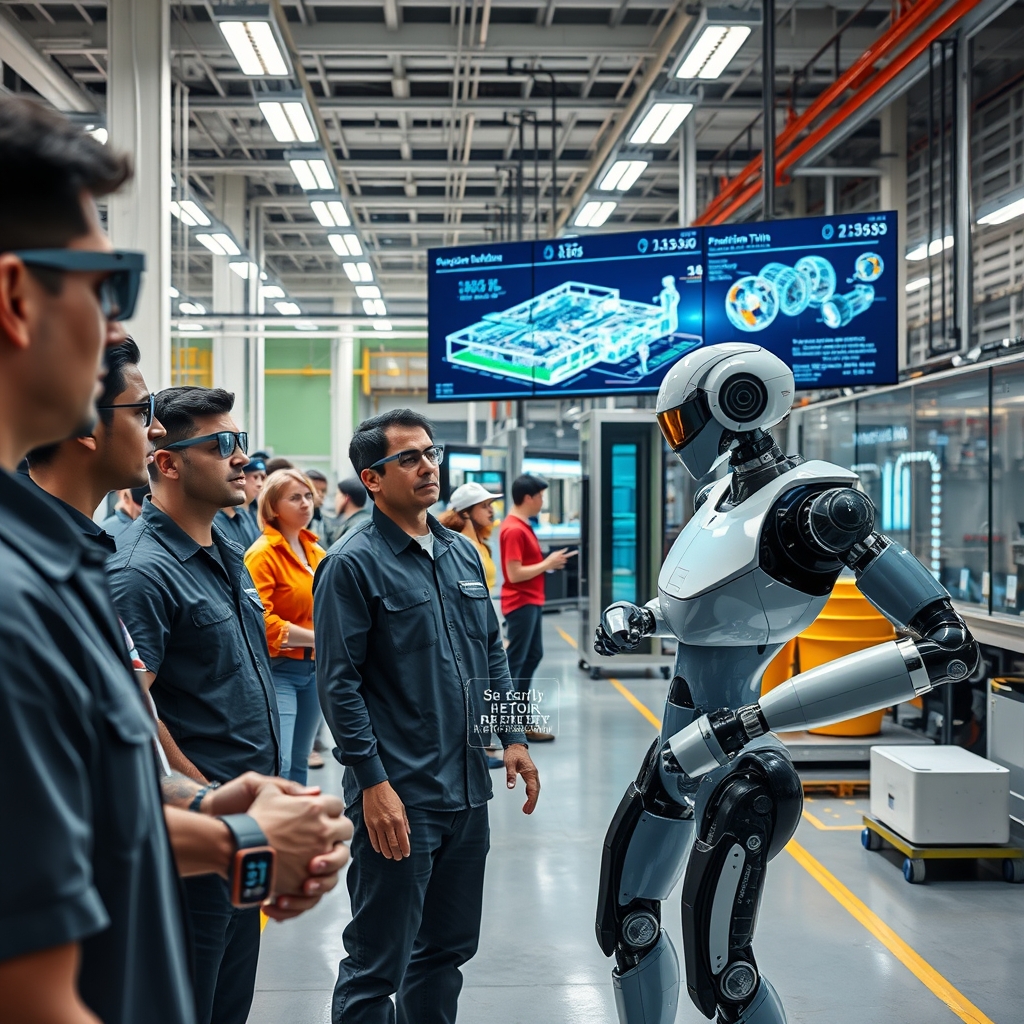
The modern manufacturing landscape is undergoing a silent revolution, one that doesn’t always make headlines but is fundamentally transforming how factories operate. At the heart of this transformation lies the seamless integration of advanced technologies with human expertise, creating a synergy that drives efficiency, sustainability, and resilience. Two critical pillars of this evolution are tech-enabled workforce training and preventive equipment maintenance, both of which are redefining what it means to achieve smart factory integration.
The Human Element in the Age of Automation
While automation and artificial intelligence dominate conversations about Industry 4.0, the human workforce remains the backbone of manufacturing. The challenge, however, is ensuring that this workforce is equipped to thrive in an environment where machines and algorithms play an increasingly dominant role. Traditional training methods, often rigid and classroom-based, are no longer sufficient to prepare employees for the dynamic demands of a smart factory.
Enter tech-enabled workforce training, a paradigm shift that leverages immersive technologies such as virtual reality (VR), augmented reality (AR), and interactive simulations. These tools create hands-on learning experiences that are not only engaging but also highly effective. For instance, VR can simulate complex machinery operations, allowing workers to practice and refine their skills in a risk-free environment. AR, on the other hand, can overlay real-time instructions onto physical equipment, guiding technicians through maintenance or assembly tasks with precision. This approach not only accelerates the learning curve but also fosters a culture of continuous improvement, where employees are empowered to adapt to new technologies and processes.
Bridging the Skills Gap
The manufacturing sector has long grappled with a skills gap, where the demand for technically proficient workers outpaces the supply. Tech-enabled training addresses this challenge head-on by making learning more accessible and tailored to individual needs. Adaptive learning platforms, powered by AI, can personalize training modules based on an employee’s progress, ensuring that they master foundational skills before moving on to more advanced topics. This not only enhances retention but also builds confidence, as workers feel more prepared to tackle the complexities of a smart factory.
Moreover, these training programs are not limited to technical skills. Soft skills, such as problem-solving, collaboration, and critical thinking, are equally important in a manufacturing environment where human-machine interaction is the norm. By integrating these skills into training curricula, companies can cultivate a workforce that is not only technically adept but also adaptable and resilient.
The Unsung Hero: Preventive Equipment Maintenance
While workforce training focuses on the human side of the equation, preventive equipment maintenance ensures that the machines and systems powering smart factories operate at peak efficiency. In traditional manufacturing settings, maintenance was often reactive—addressing issues only after they caused downtime or defects. This approach is not only costly but also disruptive, undermining the very goals of efficiency and productivity that smart factories aim to achieve.
Preventive maintenance flips this model on its head by using data and analytics to predict and prevent equipment failures before they occur. Sensors embedded in machinery collect real-time data on performance metrics such as temperature, vibration, and energy consumption. This data is then analyzed using machine learning algorithms to identify patterns and anomalies that may indicate impending failures. By addressing these issues proactively, manufacturers can avoid unplanned downtime, extend the lifespan of their equipment, and reduce maintenance costs.
The Role of Digital Twins
A key enabler of preventive maintenance is the digital twin, a virtual replica of physical assets that simulates their behavior in real time. Digital twins allow manufacturers to monitor equipment performance, test maintenance scenarios, and optimize operations without disrupting production. For example, a digital twin of a production line can simulate the impact of replacing a worn-out component, helping engineers determine the best course of action before implementing changes in the physical world. This not only enhances the accuracy of maintenance decisions but also minimizes risks and costs.
Beyond maintenance, digital twins also play a crucial role in workforce training. By creating virtual environments that mirror real-world conditions, they provide employees with a safe and controlled space to practice troubleshooting, maintenance, and operational tasks. This hands-on experience is invaluable in preparing workers for the complexities of a smart factory, where quick thinking and adaptability are essential.
The Synergy of Training and Maintenance
The true power of tech-enabled workforce training and preventive equipment maintenance lies in their synergy. When combined, they create a feedback loop that drives continuous improvement across the entire manufacturing ecosystem. Well-trained employees are better equipped to operate and maintain advanced machinery, reducing the likelihood of errors and extending the lifespan of equipment. Conversely, well-maintained equipment provides a stable and reliable foundation for training programs, ensuring that workers can focus on mastering skills rather than troubleshooting avoidable issues.
This synergy also extends to other aspects of smart factory integration, such as real-time process analytics and collaborative robotics. For instance, real-time analytics can provide insights into both equipment performance and workforce productivity, enabling manufacturers to make data-driven decisions that optimize both. Collaborative robots, or cobots, can assist workers in tasks that require precision or strength, further enhancing efficiency and safety. However, the successful deployment of cobots hinges on a workforce that is trained to work alongside them, underscoring the importance of tech-enabled training.
Sustainability and Ethical Considerations
Beyond efficiency and productivity, the integration of tech-enabled training and preventive maintenance also has significant implications for sustainability and ethical manufacturing. Preventive maintenance reduces waste by minimizing equipment failures and extending the lifespan of machinery, thereby lowering the environmental impact of manufacturing. Similarly, tech-enabled training promotes a culture of sustainability by equipping workers with the skills to operate and maintain energy-efficient systems.
Ethical considerations also come into play, particularly in the context of workforce development. By investing in training and upskilling, manufacturers demonstrate a commitment to their employees’ growth and well-being, fostering loyalty and job satisfaction. This, in turn, contributes to a more stable and motivated workforce, which is essential for long-term success in an increasingly competitive industry.
The silent revolution in manufacturing is not about replacing humans with machines but about creating a harmonious balance where technology enhances human potential. Tech-enabled workforce training and preventive equipment maintenance are not just tools for improving efficiency; they are the building blocks of a smarter, more resilient, and sustainable future. As factories continue to evolve, those that embrace these innovations will not only stay ahead of the curve but also set new standards for what it means to be a leader in the industry. The journey toward smart factory integration is ongoing, but with the right investments in people and technology, the possibilities are limitless.