The Symphony of Smart Factories: How Predictive Quality Control and Human-Centric Production Are Crafting the Future of Manufacturing
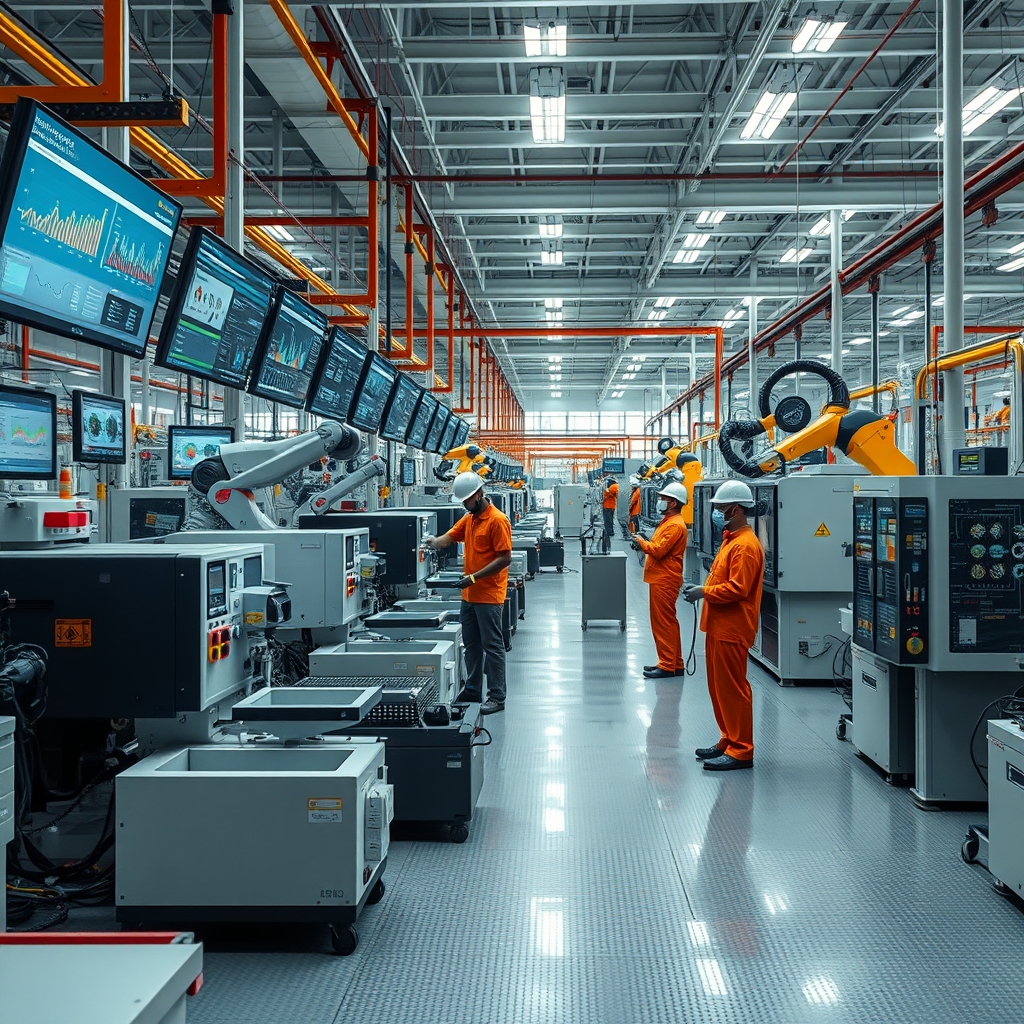
In the heart of the industrial revolution, a new symphony is being composed. This symphony is not of sound, but of data, of processes, and of people. It is the harmonious blend of Predictive Quality Control and Human-Centric Production that is orchestrating the future of manufacturing in the smart factory.
The Conductor of the Smart Factory
At the helm of this symphony stands Predictive Quality Control. It is the conductor that ensures every note is played in perfect harmony. Predictive Quality Control uses advanced analytics and machine learning to predict potential quality issues before they occur. It is like having a crystal ball that can foresee the future of your products, allowing you to take corrective actions proactively.
The Role of Data
The data is the sheet music of this symphony. It is the raw material that is processed and analyzed to create insights. In the smart factory, data is collected from various sources such as sensors, machines, and processes. This data is then analyzed in real-time to monitor the health of the production line and predict potential quality issues.
The Power of Machine Learning
Machine learning is the orchestra that plays the sheet music. It is the tool that processes the data and creates insights. Machine learning algorithms can learn from historical data and predict potential quality issues. This allows the smart factory to take corrective actions before a problem occurs, ensuring that the quality of the product is maintained.
The Musicians of the Smart Factory
While Predictive Quality Control is the conductor, Human-Centric Production is the musicians. It is the human element that brings the symphony to life. Human-Centric Production emphasizes the importance of the workforce in the smart factory. It is about creating an environment that empowers the workforce, enhances their skills, and fosters a culture of continuous improvement.
The Role of the Workforce
The workforce is the heart of the smart factory. They are the ones who operate the machines, monitor the processes, and ensure that the products meet the quality standards. Human-Centric Production focuses on empowering the workforce, providing them with the necessary tools and training to perform their tasks effectively.
The Importance of Training
Training is a crucial aspect of Human-Centric Production. It is about equipping the workforce with the necessary skills to operate the machines, monitor the processes, and ensure the quality of the products. Training programs can be tailored to the specific needs of the workforce, ensuring that they are equipped with the necessary skills to perform their tasks effectively.
The Harmony of Predictive Quality Control and Human-Centric Production
The true power of the smart factory lies in the harmony between Predictive Quality Control and Human-Centric Production. Predictive Quality Control provides the insights, while Human-Centric Production provides the expertise to act on those insights. Together, they create a symphony of efficiency, quality, and innovation that is redefining the future of manufacturing.
The future of manufacturing is not about replacing the human element with automation. It is about creating a harmonious blend of technology and human expertise. It is about creating a smart factory that is efficient, innovative, and human-centric. It is about creating a symphony of Predictive Quality Control and Human-Centric Production that is orchestrating the future of manufacturing.