The Evolution of Automated Assembly Insights: Driving Lean Operational Excellence in Smart Factories
In the rapidly evolving landscape of modern manufacturing, the integration of automated assembly insights is proving to be a cornerstone of lean operational excellence. As factories transition into smart, data-driven ecosystems, the ability to harness real-time analytics and machine learning to optimize assembly lines is no longer a futuristic concept but a present-day necessity. This transformation is not just about increasing efficiency; it’s about redefining how production systems operate, ensuring they are agile, sustainable, and human-centric.
The Role of Automated Assembly Insights in Smart Factories
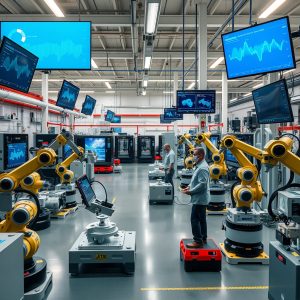
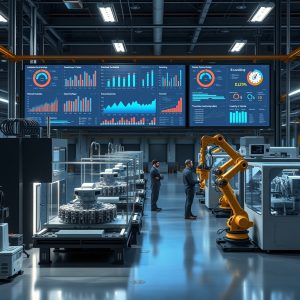
Automated assembly insights leverage advanced sensors, IoT devices, and AI-driven analytics to monitor and optimize every stage of the production process. These insights provide manufacturers with a granular view of assembly line performance, identifying bottlenecks, predicting equipment failures, and suggesting corrective actions before issues escalate. By integrating these insights into smart factory systems, manufacturers can achieve unprecedented levels of precision, reducing waste and enhancing product quality.
For instance, consider a scenario where a car manufacturer uses automated assembly insights to track the alignment of components in real time. If a misalignment is detected, the system can instantly adjust the robotic arm or alert a human operator, preventing defects and ensuring consistency. This level of automation not only improves efficiency but also reduces the need for manual inspections, freeing up the workforce to focus on more complex, value-added tasks.
Enhancing Predictive Quality Control
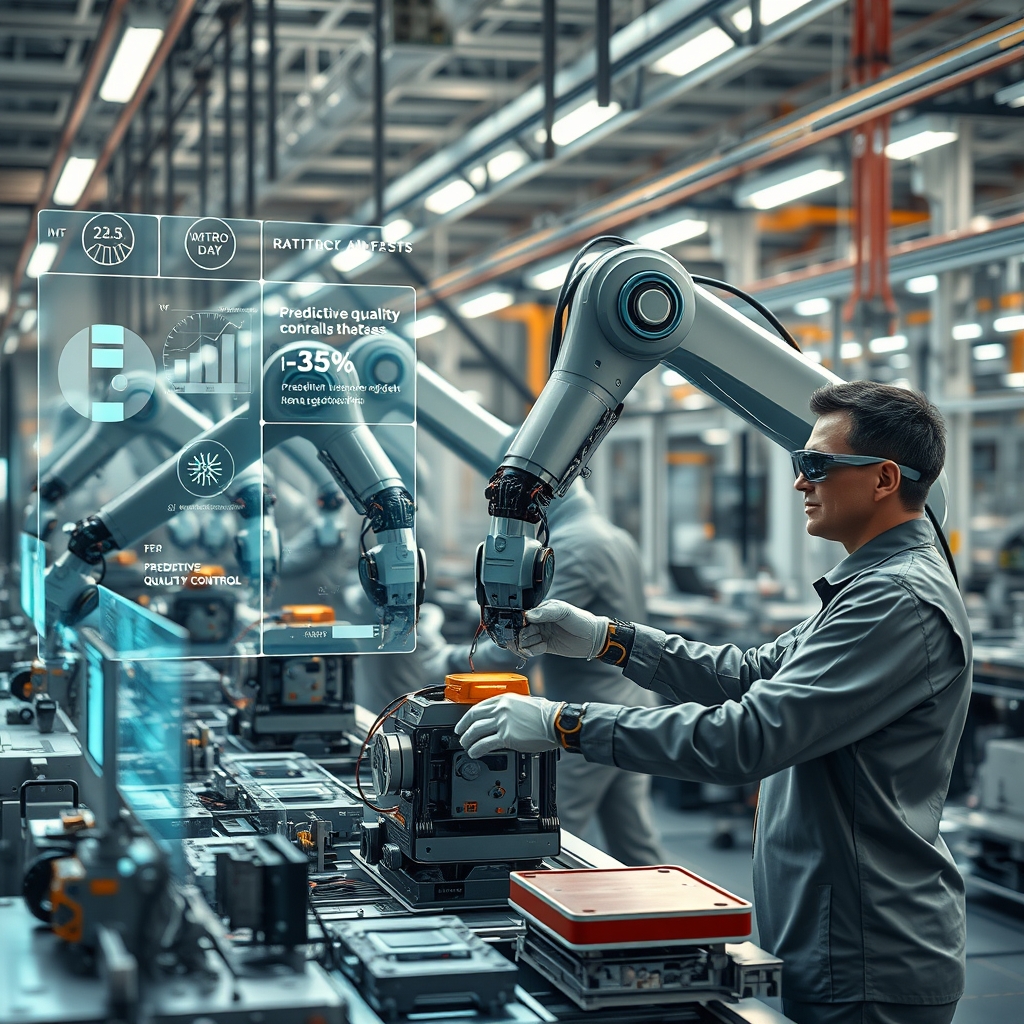
One of the most significant advantages of automated assembly insights is their ability to enhance predictive quality control. Traditional quality control methods often rely on post-production inspections, which can lead to costly rework and delays. In contrast, predictive quality control uses real-time data to identify potential defects during the assembly process, allowing for immediate corrections. This proactive approach minimizes waste, reduces downtime, and ensures that only high-quality products reach the customer.
For example, in electronics manufacturing, automated assembly insights can monitor soldering processes to detect inconsistencies in real time. If the system identifies a potential defect, it can trigger an automatic adjustment or halt the production line until the issue is resolved. This not only improves product quality but also reduces the risk of recalls, which can be devastating for a brand’s reputation.
Human-Centric Production: Balancing Automation and Workforce Empowerment
While automation is a key driver of efficiency, the human element remains irreplaceable in smart factories. Automated assembly insights are most effective when they complement, rather than replace, human expertise. By providing workers with real-time data and actionable insights, these systems empower them to make informed decisions, fostering a culture of continuous improvement and innovation.
For instance, in a pharmaceutical manufacturing plant, automated assembly insights can monitor the filling and packaging processes. If an anomaly is detected, the system can alert a technician, who can then investigate and resolve the issue. This collaboration between humans and machines ensures that production runs smoothly while maintaining the highest standards of quality and safety.
Driving Sustainable Supply Chains
Sustainability is no longer a buzzword but a critical business imperative. Automated assembly insights play a pivotal role in driving sustainable supply chains by optimizing resource usage and reducing waste. By providing real-time visibility into production processes, these insights enable manufacturers to identify inefficiencies and implement corrective measures, such as reducing energy consumption or minimizing material waste.
For example, in the textile industry, automated assembly insights can track the usage of dyes and chemicals, ensuring that only the necessary amounts are used. This not only reduces costs but also minimizes the environmental impact of production. Additionally, by optimizing assembly line efficiency, manufacturers can reduce their carbon footprint, contributing to a more sustainable future.
The Future of Automated Assembly Insights
As technology continues to advance, the capabilities of automated assembly insights will only grow. The integration of digital twin manufacturing, for instance, will allow manufacturers to create virtual replicas of their assembly lines, enabling them to simulate and optimize processes before implementing changes in the real world. This will further enhance predictive quality control and drive lean operational excellence.
Moreover, the rise of collaborative robotics (cobots) will enable even greater synergy between humans and machines. Cobots equipped with automated assembly insights can work alongside human operators, assisting with tasks that require precision and consistency while allowing humans to focus on creativity and problem-solving. This collaboration will redefine the role of the workforce, making manufacturing more agile, efficient, and human-centric.
The journey toward lean operational excellence in smart factories is not without its challenges. However, by embracing automated assembly insights, manufacturers can unlock new levels of efficiency, quality, and sustainability. As these technologies continue to evolve, they will not only transform production processes but also shape the future of manufacturing itself. The factories of tomorrow will be defined by their ability to adapt, innovate, and deliver value in an ever-changing world, and automated assembly insights will be at the heart of this transformation, guiding the way forward with precision and purpose.