
The Alchemy of Adaptation: How Digital Twin Manufacturing and Human-Centric Production Are Crafting the Resilient Factory of Tomorrow
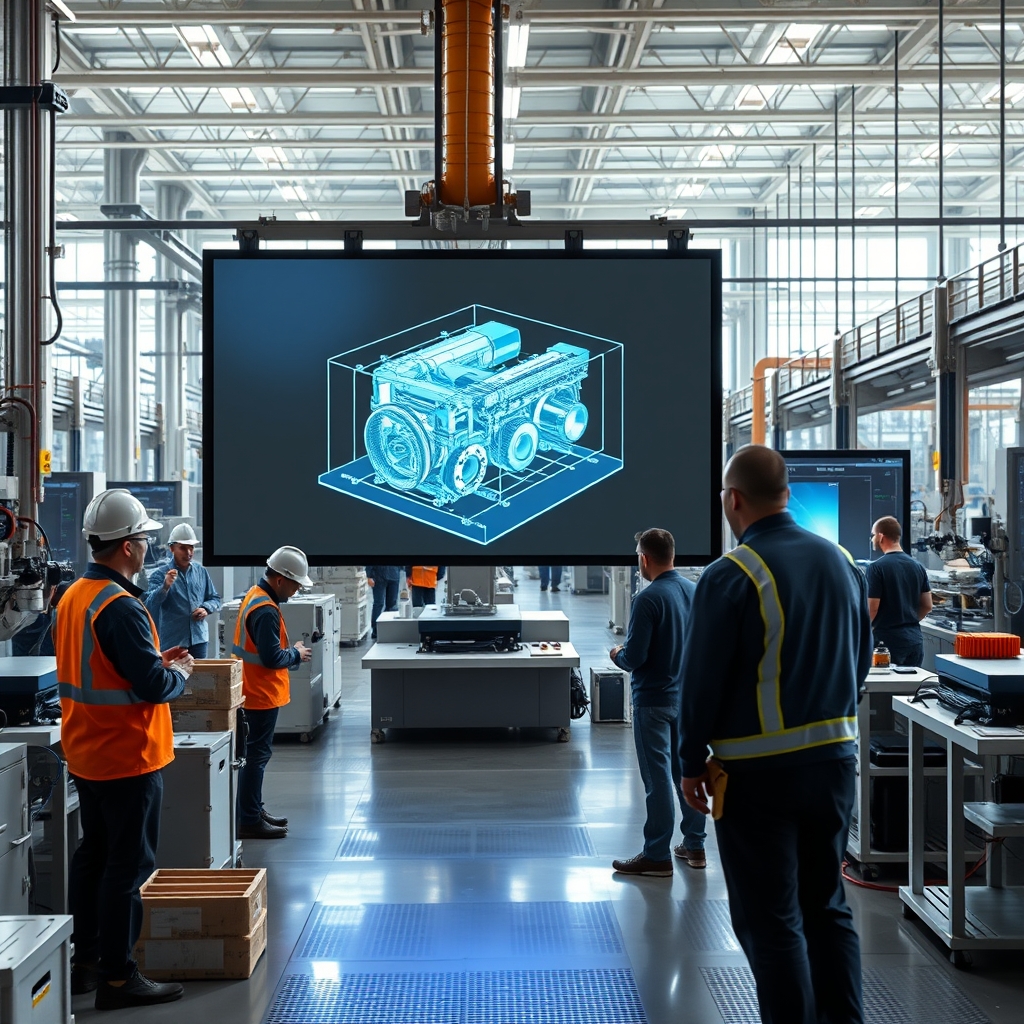
The landscape of modern manufacturing is undergoing a profound transformation, driven by the convergence of cutting-edge technologies and a renewed focus on human-centric approaches. At the heart of this revolution are Digital Twin Manufacturing and Human-Centric Production, two paradigms that are reshaping the way we think about smart factories. Together, they are crafting a resilient, adaptive, and efficient future for the manufacturing industry.
Digital Twin Manufacturing: The Virtual Blueprint of the Physical World
Digital Twin Manufacturing is a concept that involves creating a virtual replica of a physical manufacturing process. This digital twin is a dynamic, real-time model that mirrors the performance and behavior of the actual factory. It integrates data from various sources, including sensors, IoT devices, and historical data, to provide a comprehensive view of the manufacturing process.
The Benefits of Digital Twin Manufacturing
Digital Twin Manufacturing offers numerous benefits, including improved decision-making, enhanced predictive maintenance, and optimized production processes. By continuously monitoring and analyzing the data from the digital twin, manufacturers can identify potential issues before they occur, leading to reduced downtime and increased productivity. Moreover, the digital twin can simulate different scenarios, allowing manufacturers to test and optimize their processes without disrupting the actual production.
Challenges and Considerations
Despite its numerous benefits, Digital Twin Manufacturing also presents challenges. The integration of diverse data sources and the development of accurate digital models require significant investment in technology and expertise. Additionally, the continuous monitoring and analysis of data can generate vast amounts of information, which can be overwhelming to process and interpret.
Human-Centric Production: Putting People at the Heart of Manufacturing
Human-Centric Production is an approach that emphasizes the importance of human skills, knowledge, and creativity in the manufacturing process. It recognizes that while technology can automate and optimize many aspects of production, the human element remains crucial for innovation, problem-solving, and quality control.
The Role of Human-Centric Production
Human-Centric Production involves integrating human workers into the manufacturing process, empowering them with the right tools, training, and support. This approach fosters a culture of continuous learning and improvement, where workers are encouraged to contribute their ideas and insights. By putting people at the heart of the manufacturing process, manufacturers can leverage the unique capabilities of human workers, such as their ability to adapt, learn, and innovate.
Challenges and Considerations
Human-Centric Production also presents challenges. It requires a shift in mindset and culture, where the value of human workers is recognized and their contributions are valued. Additionally, the integration of human workers into the manufacturing process requires careful planning and coordination, to ensure that their roles are clearly defined and their contributions are effectively utilized.
The Synergy of Digital Twin Manufacturing and Human-Centric Production
The true power of Digital Twin Manufacturing and Human-Centric Production lies in their synergy. By combining the capabilities of digital twins with the unique strengths of human workers, manufacturers can create a resilient, adaptive, and efficient manufacturing ecosystem.
Enhanced Decision-Making
The digital twin provides a comprehensive view of the manufacturing process, allowing manufacturers to make informed decisions based on real-time data. Human workers, with their ability to interpret and analyze complex information, can provide valuable insights and recommendations. Together, they can enhance decision-making, leading to improved performance and productivity.
Improved Quality Control
Human workers play a crucial role in quality control, ensuring that the final products meet the required standards. The digital twin can monitor the manufacturing process and identify potential issues, but it is the human eye and expertise that can detect and address subtle quality issues. By combining the capabilities of the digital twin with the unique strengths of human workers, manufacturers can achieve a high level of quality control.
Continuous Learning and Improvement
Human-Centric Production fosters a culture of continuous learning and improvement, where workers are encouraged to contribute their ideas and insights. The digital twin can capture and analyze this information, providing valuable feedback for process optimization. By combining the capabilities of the digital twin with the unique strengths of human workers, manufacturers can create a culture of continuous improvement, leading to enhanced performance and productivity.
The future of manufacturing is being shaped by the convergence of Digital Twin Manufacturing and Human-Centric Production. Together, they are crafting a resilient, adaptive, and efficient future for the manufacturing industry. As manufacturers continue to embrace these paradigms, they will be well-positioned to meet the challenges of the future and seize the opportunities that lie ahead. In the end, the true measure of success in the manufacturing industry will be the ability to harness the power of technology and the unique strengths of human workers, to create products that are not only efficient and cost-effective, but also innovative and of the highest quality.