
The Evolution of Smart Factories: Integrating Human-Centric Production and Predictive Quality Control
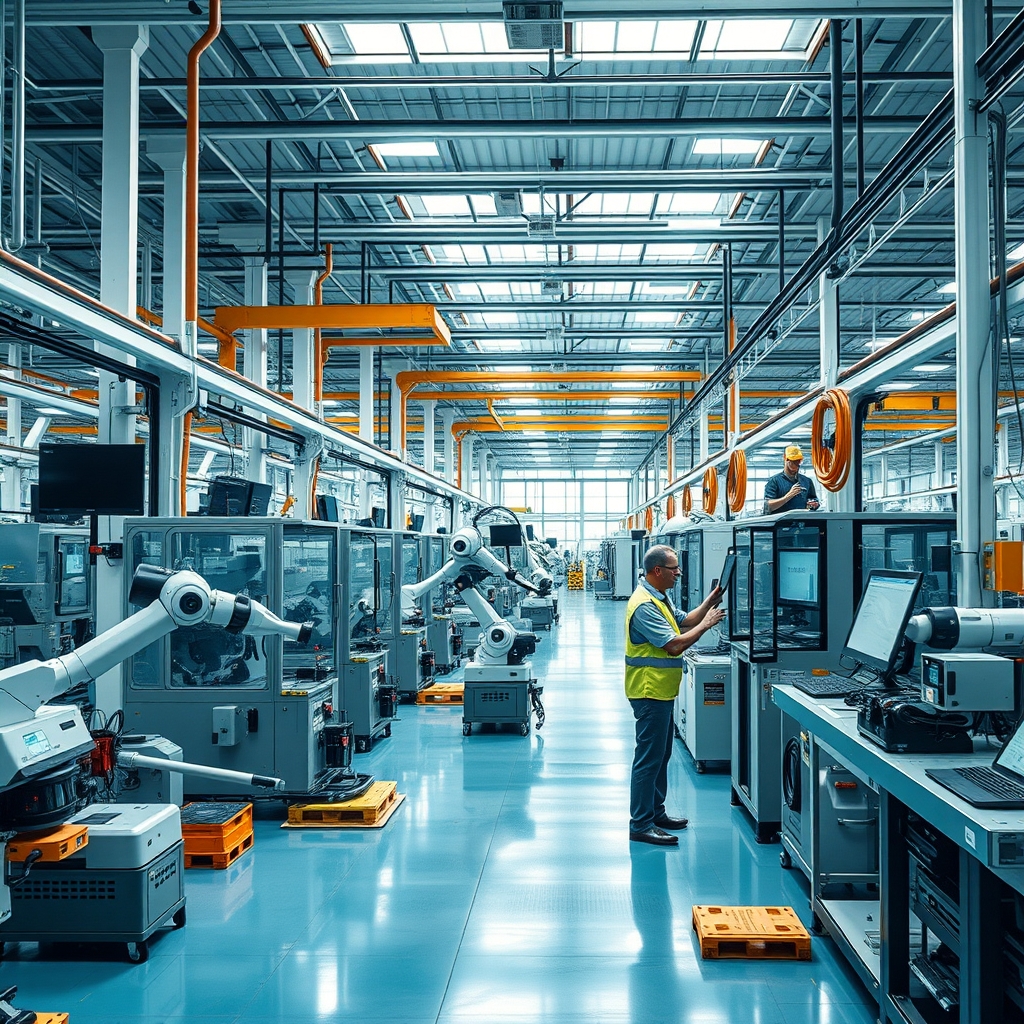
In the rapidly evolving landscape of manufacturing, the concept of smart factories has emerged as a beacon of innovation and efficiency. At the heart of this transformation lies the integration of advanced technologies that not only streamline production processes but also enhance the human experience within the factory environment. This article explores the pivotal role of smart factory integration, predictive quality control, and human-centric production in shaping the future of manufacturing.
Smart Factory Integration: The Backbone of Modern Manufacturing
Smart factory integration is the cornerstone of Industry 4.0, enabling seamless communication and collaboration between machines, systems, and humans. This integration leverages the Internet of Things (IoT), artificial intelligence (AI), and big data analytics to create a cohesive and efficient manufacturing ecosystem. By connecting various components of the production line, smart factories can optimize resource allocation, reduce downtime, and enhance overall productivity.
Predictive Quality Control: Ensuring Excellence in Production
Predictive quality control is a game-changer in the manufacturing sector. By utilizing machine learning algorithms and real-time data analytics, manufacturers can anticipate and address potential quality issues before they escalate. This proactive approach not only minimizes waste but also ensures that products meet the highest standards of quality and reliability. Predictive quality control is instrumental in maintaining customer satisfaction and building a reputation for excellence.
Human-Centric Production: Empowering the Workforce
Human-centric production places the well-being and efficiency of the workforce at the forefront of manufacturing processes. By incorporating ergonomic designs, intuitive interfaces, and collaborative robotics, smart factories can create a safer and more productive work environment. This approach not only enhances employee satisfaction but also fosters a culture of innovation and continuous improvement. Human-centric production ensures that the human element remains integral to the manufacturing process, even as automation and technology advance.
The Synergy of Smart Factory Integration and Human-Centric Production
The synergy between smart factory integration and human-centric production is evident in the way these technologies complement each other. While smart factory integration focuses on optimizing machine-to-machine communication, human-centric production ensures that the human workforce is equipped with the tools and environment needed to thrive. This dual approach creates a harmonious balance between automation and human expertise, leading to unprecedented levels of efficiency and innovation.
As we look to the future, the integration of smart factory technologies and human-centric production will continue to redefine the manufacturing landscape. By embracing these advancements, manufacturers can achieve new heights of productivity, quality, and sustainability. The journey towards the smart factory of the future is not just about technology; it is about creating a holistic manufacturing environment that empowers both machines and humans to reach their full potential.