The Alchemy of Efficiency: How Predictive Quality Control and Human-Centric Production Are Crafting the Future of Smart Factories
In the heart of the industrial revolution, smart factories are emerging as the vanguards of efficiency and innovation. These factories are not just about machines and data; they are about the harmonious integration of technology, people, and processes. At the core of this integration are two transformative elements: predictive quality control and human-centric production.
The Alchemy of Predictive Quality Control
Predictive quality control is the alchemy that turns data into insights, ensuring that products are not just manufactured but crafted to perfection. This approach leverages advanced analytics and machine learning to predict potential quality issues before they occur. By analyzing vast amounts of data from various stages of production, predictive quality control can identify patterns and anomalies that might otherwise go unnoticed. This proactive approach minimizes defects, reduces waste, and enhances overall product quality.
Real-Time Process Analytics
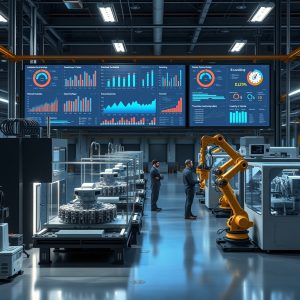
Real-time process analytics is the backbone of predictive quality control. Sensors and IoT devices continuously monitor the production process, providing a real-time stream of data. This data is then analyzed to detect any deviations from the expected parameters. For instance, in a manufacturing line producing automotive parts, real-time analytics can detect slight variations in the temperature or pressure of a welding process, which could lead to defects in the final product. By acting on these insights immediately, manufacturers can adjust the process and prevent potential quality issues.
Digital Twin Manufacturing
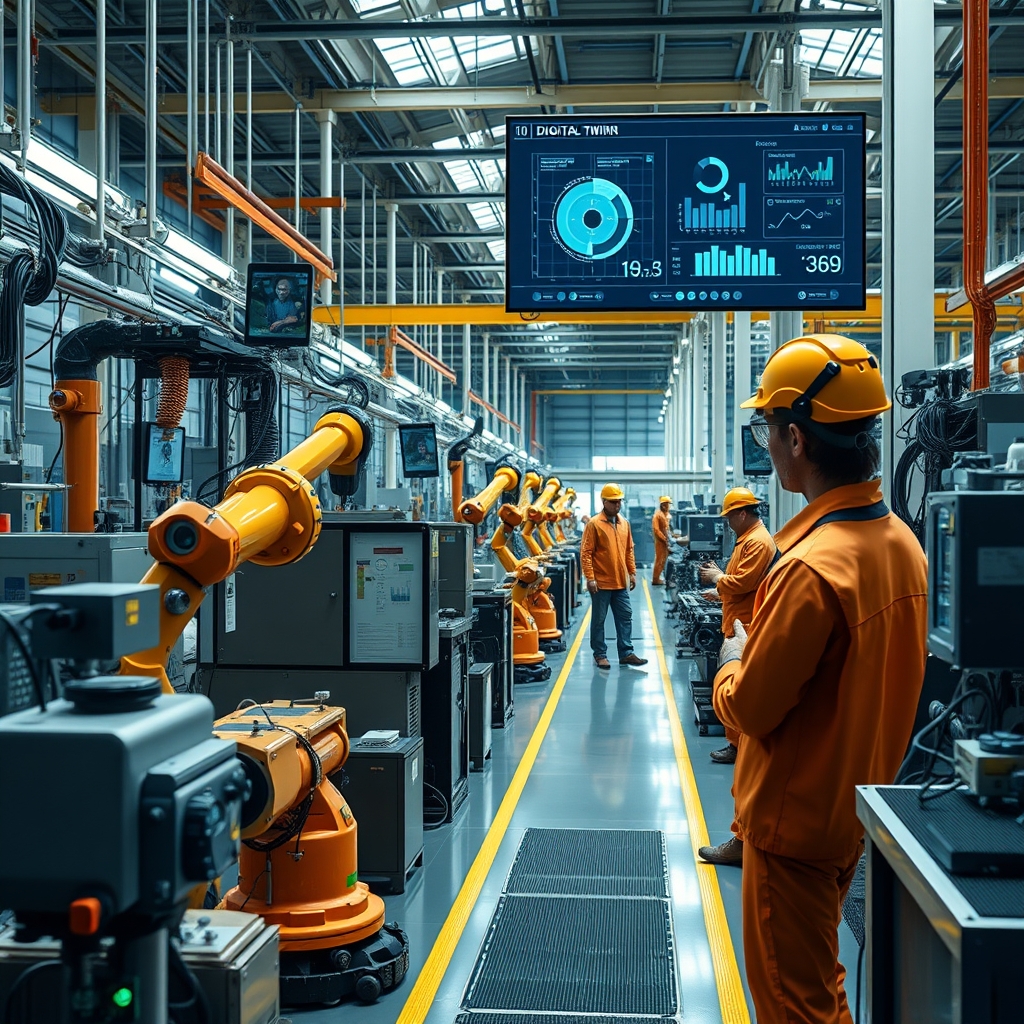
Digital twin manufacturing takes predictive quality control a step further by creating a virtual replica of the physical manufacturing process. This digital twin can simulate various scenarios and predict the outcomes, allowing manufacturers to optimize the production process. For example, a digital twin of a factory can simulate the impact of a new machine or process change, helping manufacturers make informed decisions without risking the physical plant.
The Human-Centric Production
While technology drives predictive quality control, human-centric production ensures that the human element is not overlooked. This approach emphasizes the importance of workforce empowerment, skill development, and creating a collaborative environment where humans and machines work together seamlessly.
Collaborative Robotics
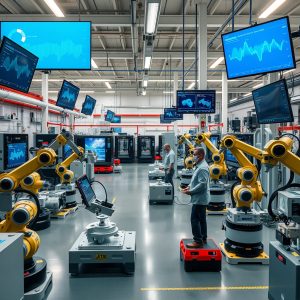
Collaborative robotics, or cobots, are a prime example of human-centric production. These robots are designed to work alongside human workers, augmenting their capabilities rather than replacing them. Cobots can handle repetitive and dangerous tasks, freeing up human workers to focus on more complex and creative aspects of production. This collaboration enhances productivity, improves safety, and fosters a more engaging work environment.
Tech-Enabled Workforce Training
Tech-enabled workforce training is another critical component of human-centric production. Virtual reality (VR) and augmented reality (AR) technologies provide immersive training experiences that simulate real-world scenarios. This not only enhances the skills of the workforce but also prepares them for the challenges of smart factories. For instance, VR simulations can train workers on operating new machinery or handling complex assembly processes, ensuring they are well-equipped to perform their tasks effectively.
In the future of smart factories, predictive quality control and human-centric production will continue to evolve, driving efficiency, innovation, and excellence. By integrating advanced analytics, digital twins, and collaborative robotics, manufacturers can create factories that are not only efficient but also sustainable and agile. Human-centric production ensures that these factories are also inclusive, empowering the workforce and creating a positive and productive environment. Together, these elements will craft the future of smart factories, where technology and humanity coexist in perfect harmony.