The Digital Tapestry: How Smart Contracts and Algorithmic Trading Are Weaving the Future of Investment Portfolio Management
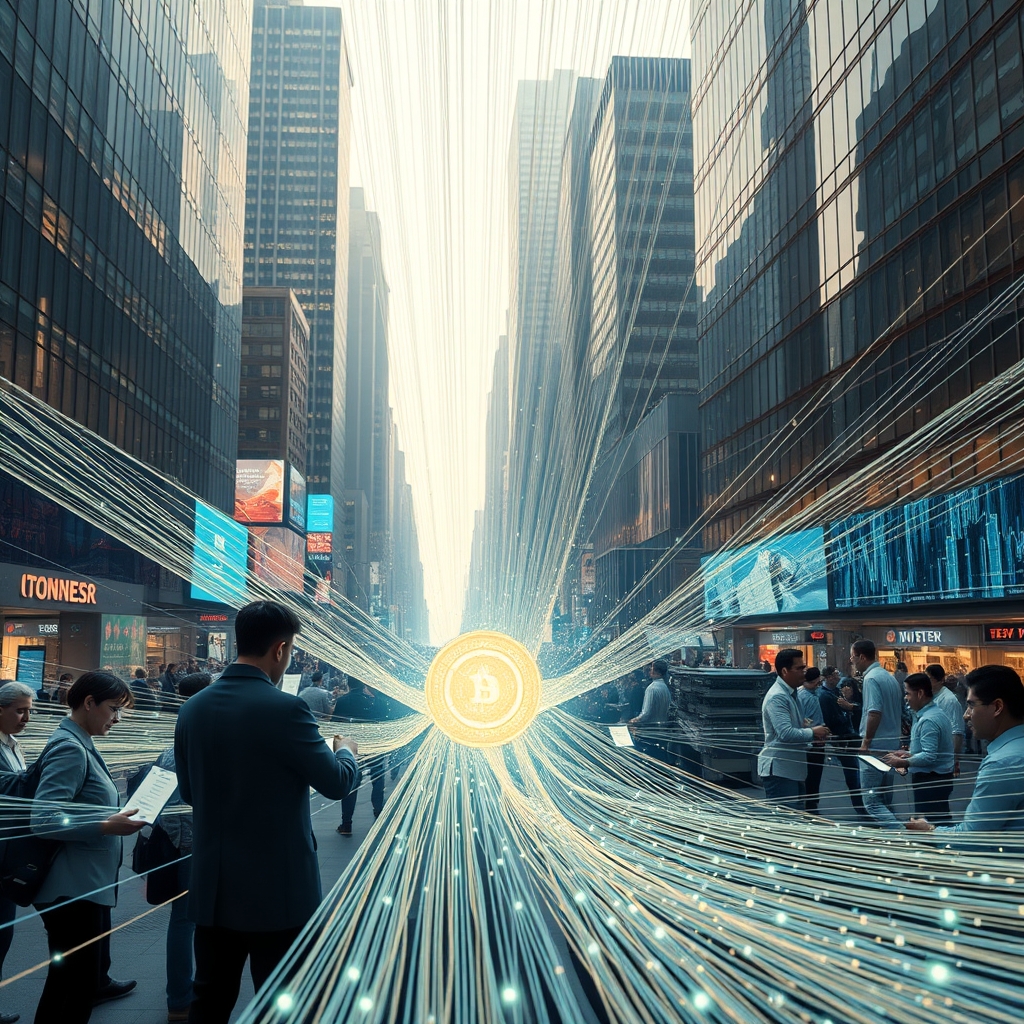
In the vast and ever-evolving landscape of modern finance, two powerful threads are being woven together to create a new narrative for investment portfolio management: smart contracts and algorithmic trading. These innovations are not just reshaping the way we invest, but also redefining the very fabric of financial markets. The digital tapestry they are creating is a testament to the symbiotic relationship between technology and finance, and it’s a story that’s worth exploring.
The Threads of Smart Contracts
Smart contracts, self-executing contracts with the terms of the agreement directly written into code, are revolutionizing the way transactions are conducted. They eliminate the need for intermediaries, reducing costs and increasing efficiency. In the context of investment portfolio management, smart contracts can automate the execution of trades, the management of risk, and even the distribution of returns. They can be programmed to execute trades at specific times, based on specific conditions, or even to adjust the portfolio composition in real-time, based on market conditions.
But the power of smart contracts lies not just in their ability to automate, but in their ability to enforce. Once deployed, a smart contract cannot be altered or reversed, ensuring that all parties involved in a transaction adhere to the agreed terms. This level of trust and transparency is a game-changer in the world of investment, where trust is often hard to come by.
The Dance of Algorithmic Trading
Algorithmic trading, on the other hand, is the use of computer programs to execute trades. These programs can analyze vast amounts of data, identify patterns and trends, and execute trades at speeds and frequencies that would be impossible for a human trader. In the context of investment portfolio management, algorithmic trading can provide a level of precision and consistency that is simply not achievable by human traders.
But algorithmic trading is not just about speed and precision. It’s also about risk management. Algorithmic trading systems can be programmed to adhere to specific risk parameters, ensuring that the portfolio does not deviate too far from its intended risk profile. They can also be programmed to adjust the portfolio composition in real-time, based on changes in market conditions or investor preferences.
The Digital Tapestry
The digital tapestry of smart contracts and algorithmic trading is a complex and multifaceted one. It’s a tapestry that is being woven by a diverse range of stakeholders, from individual investors to large financial institutions. It’s a tapestry that is being woven on a global scale, with smart contracts and algorithmic trading systems operating in financial markets around the world.
But perhaps the most fascinating aspect of this digital tapestry is its potential. Smart contracts and algorithmic trading have the potential to democratize investment, making it more accessible to a wider range of people. They have the potential to increase the efficiency and transparency of financial markets, reducing the costs and increasing the benefits of investing. And they have the potential to create new opportunities for investment, as the boundaries between traditional and digital assets continue to blur.
The Future of Investment Portfolio Management
As we look to the future, the digital tapestry of smart contracts and algorithmic trading is set to become even more intricate and vibrant. The continued evolution of blockchain technology, for example, is likely to increase the adoption and integration of smart contracts in financial markets. Similarly, the continued advancements in machine learning and artificial intelligence are likely to enhance the capabilities and sophistication of algorithmic trading systems.
But perhaps the most important factor in the future of investment portfolio management is the way in which these technologies are adopted and integrated by financial institutions and individual investors. The successful integration of smart contracts and algorithmic trading will not just depend on their technological capabilities, but also on their ability to address the needs and preferences of their users. It will depend on their ability to provide a level of service and convenience that is simply not achievable by traditional investment methods.
The digital tapestry of smart contracts and algorithmic trading is a story of innovation, collaboration, and transformation. It’s a story that is being written in real-time, as these technologies continue to evolve and integrate into the fabric of modern finance. And as we watch this story unfold, one thing is clear: the future of investment portfolio management is not just being woven, but it’s being woven in a way that is truly digital, truly innovative, and truly transformative.