Real-Time Process Analytics: The Catalyst for Agile and Human-Centric Smart Factories
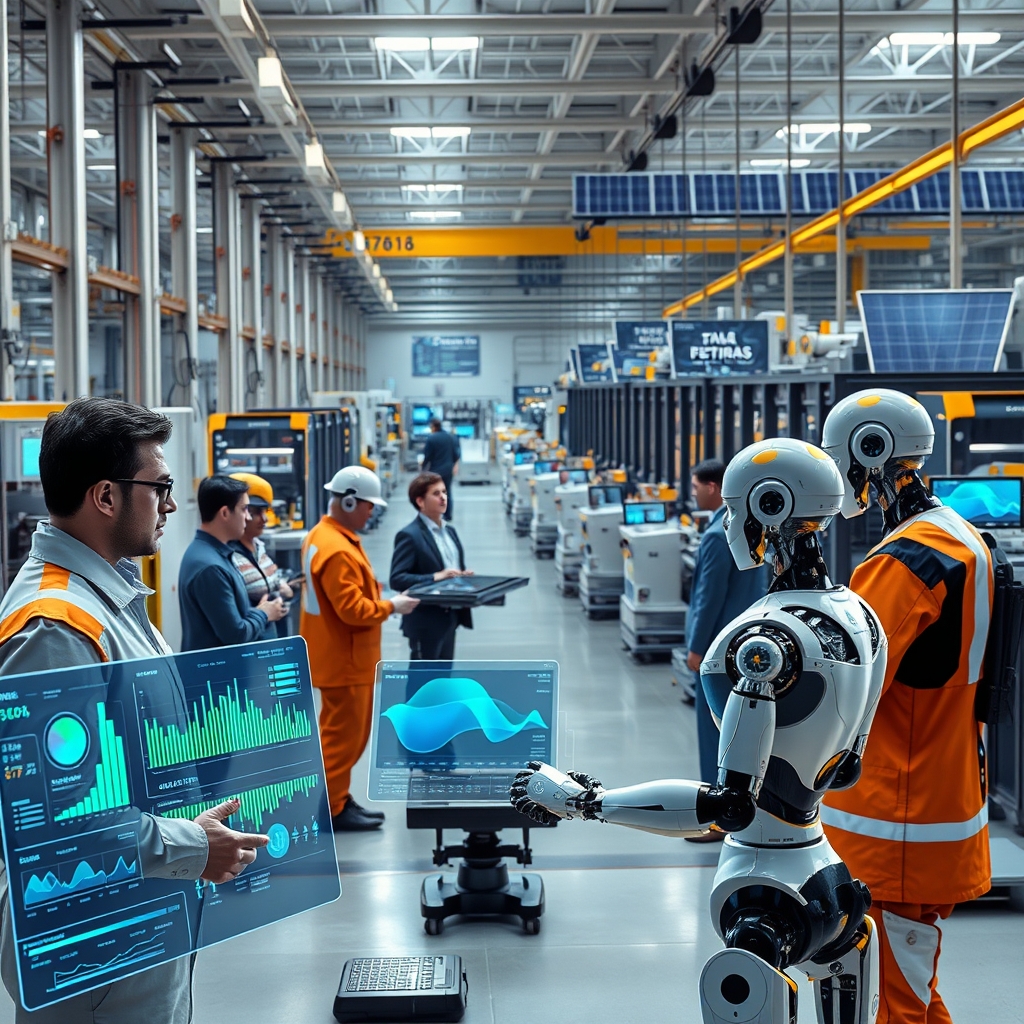
In the rapidly evolving landscape of modern manufacturing, the ability to adapt swiftly to changing demands while maintaining operational excellence has become a defining competitive advantage. At the heart of this transformation lies real-time process analytics, a powerful tool that is reshaping how factories operate, make decisions, and interact with their workforce. By harnessing the power of live data streams, manufacturers are not only enhancing efficiency but also fostering a more human-centric production environment where technology and people work in harmony.
The Power of Instant Insights
Traditional manufacturing relied heavily on historical data and reactive measures to address inefficiencies. However, the advent of real-time process analytics has flipped this paradigm on its head. By continuously monitoring production lines, equipment performance, and quality metrics, manufacturers can now detect anomalies, predict potential disruptions, and optimize workflows on the fly. This shift from reactive to proactive decision-making is a cornerstone of agile manufacturing processes, enabling factories to respond to market fluctuations, supply chain disruptions, and customer demands with unprecedented speed.
For example, sensors embedded in machinery can track vibration levels, temperature fluctuations, and energy consumption in real time. When these metrics deviate from predefined thresholds, analytics platforms can trigger alerts, adjust machine settings automatically, or even notify operators to intervene before a minor issue escalates into a costly breakdown. This level of precision not only minimizes downtime but also extends the lifespan of equipment, contributing to lean operational excellence.
Bridging the Gap Between Automation and Human Expertise
While automation and robotics have revolutionized manufacturing, the role of human workers remains irreplaceable. Real-time process analytics serves as a bridge between automated systems and human expertise, creating a human-centric production environment where technology augments rather than replaces human capabilities. By providing workers with actionable insights, analytics tools empower them to make informed decisions, troubleshoot issues, and innovate processes.
Consider a scenario where a production line experiences a sudden drop in output quality. Instead of relying on trial-and-error methods to identify the root cause, operators can leverage real-time dashboards to pinpoint the exact stage of the process where the deviation occurred. This not only accelerates problem-solving but also fosters a culture of continuous improvement, where workers are encouraged to engage with data and contribute to process optimization. Moreover, tech-enabled workforce training programs can use real-time analytics to simulate scenarios, helping employees develop the skills needed to thrive in a data-driven manufacturing environment.
Enhancing Predictive Quality Control
Quality control has long been a critical aspect of manufacturing, but traditional methods often rely on post-production inspections, which can lead to waste and rework. Real-time process analytics integrates seamlessly with predictive quality control, enabling manufacturers to monitor and adjust processes before defects occur. By analyzing data from sensors, cameras, and other IoT devices, analytics platforms can identify patterns that precede quality issues, allowing for preemptive corrections.
For instance, in additive manufacturing workflows, real-time analytics can monitor layer deposition, temperature gradients, and material flow to ensure consistency and precision. If the system detects a deviation that could lead to a structural weakness, it can adjust parameters on the spot or alert operators to take corrective action. This not only improves product quality but also reduces material waste, aligning with the principles of sustainable supply chains.
Driving Collaborative Robotics Deployment
The deployment of collaborative robotics (cobots) is another area where real-time analytics is making a significant impact. Cobots are designed to work alongside human operators, assisting with repetitive or physically demanding tasks. However, their effectiveness hinges on seamless integration with the production environment. Real-time analytics enables cobots to adapt to dynamic conditions, such as changes in workflow, operator movements, or unexpected obstacles.
For example, in an automated assembly line, cobots equipped with sensors and analytics capabilities can adjust their speed, grip strength, or positioning based on real-time feedback. If an operator needs to intervene or if a component is misaligned, the cobot can pause or recalibrate to avoid errors. This level of adaptability not only enhances productivity but also ensures a safer and more collaborative workspace, reinforcing the principles of human-centric production.
The Future of Smart Factory Integration
As manufacturers continue to embrace Industry 4.0, the integration of real-time process analytics will play an increasingly pivotal role in shaping the factories of the future. By leveraging live data, manufacturers can achieve a level of agility and responsiveness that was once unimaginable. However, the true potential of these technologies lies not just in their ability to optimize processes but in their capacity to empower the workforce, foster innovation, and create a more sustainable and resilient manufacturing ecosystem.
The journey toward a fully integrated smart factory is not without its challenges. It requires a cultural shift, where data-driven decision-making becomes ingrained in the organization’s DNA. It also demands investment in the right technologies, infrastructure, and training to ensure that both machines and humans can thrive in this new environment. Yet, for those who embrace this transformation, the rewards are substantial: enhanced efficiency, improved quality, reduced waste, and a workforce that is more engaged, skilled, and adaptable than ever before. The factories of tomorrow are not just about machines and data; they are about people, collaboration, and the relentless pursuit of excellence.