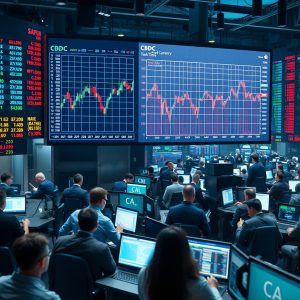
The Silent Revolution: How Central Bank Digital Currencies and Algorithmic Trading Are Redefining the Future of Forex Markets
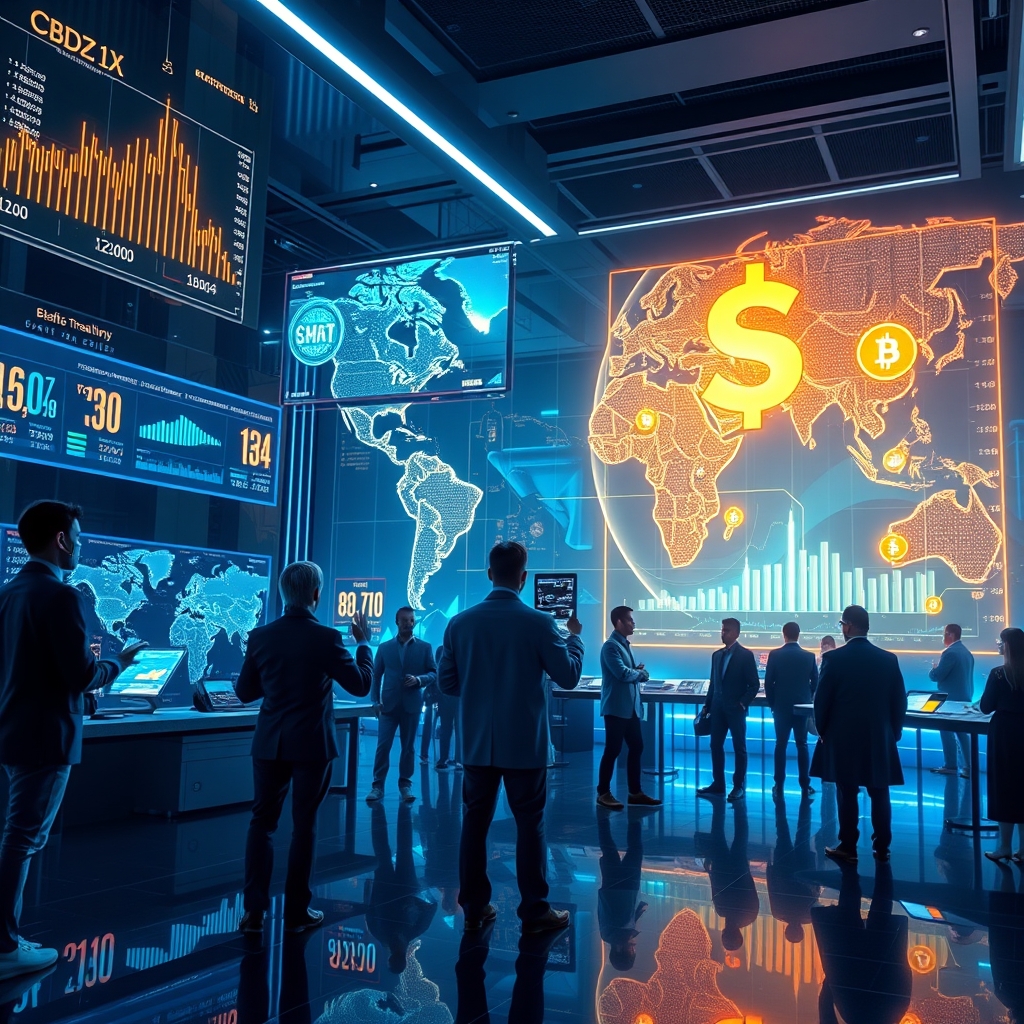
The hum of financial markets has always been a symphony of numbers, whispers of traders, and the relentless ticking of clocks. But beneath this familiar rhythm, a quiet revolution is unfolding—one that promises to reshape the very foundations of foreign exchange (forex) trading. At the heart of this transformation lies the convergence of two powerful forces: Central Bank Digital Currencies (CBDCs) and algorithmic trading systems. Together, they are not just altering how currencies are exchanged but redefining the speed, transparency, and accessibility of global finance.
The Rise of the Digital Currency Monoliths
Central banks, the traditional gatekeepers of monetary policy, are stepping into the digital age with a bold experiment: CBDCs. Unlike cryptocurrencies, which operate in the decentralized wilds of blockchain, CBDCs are issued and regulated by central authorities. They are the digital avatars of fiat currencies, designed to coexist with physical cash while offering the efficiency of digital transactions. Countries like China, with its digital yuan, and the European Union, with its digital euro project, are leading the charge, testing the waters of a cashless future.
The implications for forex markets are profound. CBDCs eliminate the friction of cross-border transactions, reducing settlement times from days to mere seconds. They also introduce a new layer of programmability—imagine a digital dollar that automatically adjusts its value based on predefined economic conditions or a digital yen that can be traced in real-time to combat illicit flows. For traders, this means a forex landscape where liquidity is deeper, transactions are cheaper, and the once-opaque movements of capital become as transparent as glass.
The Algorithmic Orchestra
While CBDCs are rewriting the rules of currency, algorithmic trading systems are composing the new soundtrack of forex markets. These systems, powered by artificial intelligence and machine learning, analyze vast datasets in milliseconds, executing trades with a precision and speed that human traders can only dream of. They thrive on volatility, turning the chaos of forex markets into a playground of opportunity.
Algorithmic trading is not new, but its evolution has been nothing short of explosive. Early systems relied on simple arbitrage strategies, exploiting tiny price differences across exchanges. Today, they employ complex neural networks to predict market movements, adapt to changing conditions, and even mimic the strategies of top traders. In the forex world, where currencies are traded in pairs, these algorithms can identify patterns invisible to the human eye—correlations between the euro and oil prices, or the impact of a central bank’s tweet on the yen’s value. The result? A market that is more efficient, but also more unpredictable, as algorithms react to each other in a high-stakes game of digital chess.
The Collision of Two Worlds
The real magic happens when CBDCs and algorithmic trading collide. Picture this: a forex market where digital currencies issued by central banks are traded by algorithms that operate 24/7, across borders, without the need for intermediaries. The potential benefits are staggering. Transaction costs plummet, as the need for correspondent banks and clearinghouses evaporates. Liquidity soars, as algorithms can tap into global pools of digital currency in real-time. And perhaps most importantly, the playing field levels, as retail traders gain access to tools and speeds once reserved for institutional giants.
But this brave new world is not without its challenges. The integration of CBDCs into forex markets raises questions about privacy, as central banks gain unprecedented visibility into every transaction. There are also concerns about systemic risk—what happens when a glitch in an algorithm triggers a cascade of trades, or when a CBDC’s smart contract behaves in unexpected ways? And then there’s the geopolitical dimension: as countries race to launch their own digital currencies, forex markets could become battlegrounds for economic influence, with algorithms serving as the new weapons of financial warfare.
The Human Element in a Digital Age
Amidst this whirlwind of innovation, it’s easy to forget the human element. Forex trading has always been as much about psychology as it is about numbers—the fear and greed that drive markets, the intuition that guides traders, the stories that shape economic narratives. Algorithms may be able to process data at lightning speed, but they lack the creativity, adaptability, and emotional intelligence that define the best human traders. The future of forex, then, may not be a world where humans are obsolete, but one where they collaborate with machines, leveraging the strengths of both to navigate an increasingly complex landscape.
For traders, this means embracing a new mindset. The days of relying solely on gut instinct or outdated strategies are fading. Instead, success will hinge on the ability to understand and harness the power of algorithms, to interpret the signals hidden in the noise of digital markets. It will require a blend of technical skill and emotional discipline, a willingness to adapt to a world where the rules are being rewritten in real-time.
The Road Ahead
The journey toward a fully digital forex market is still in its early stages, but the direction is clear. Central banks are experimenting, algorithms are evolving, and the infrastructure of global finance is being rebuilt from the ground up. For those willing to embrace this change, the opportunities are vast—a chance to participate in a market that is faster, smarter, and more inclusive than ever before. Yet, the risks are equally significant, demanding vigilance, adaptability, and a deep understanding of the forces at play.
As the lines between traditional finance and digital innovation continue to blur, one thing is certain: the forex markets of tomorrow will bear little resemblance to those of today. The silent revolution is underway, and its echoes will reverberate through the halls of central banks, the servers of trading firms, and the screens of traders around the world. The question is not whether this change will come, but how we will choose to navigate it—whether we will be passive observers or active participants in shaping the future of finance.