
The Digital Ledger: How Central Bank Digital Currencies and Algorithmic Trading Are Redefining the Architecture of Modern Finance
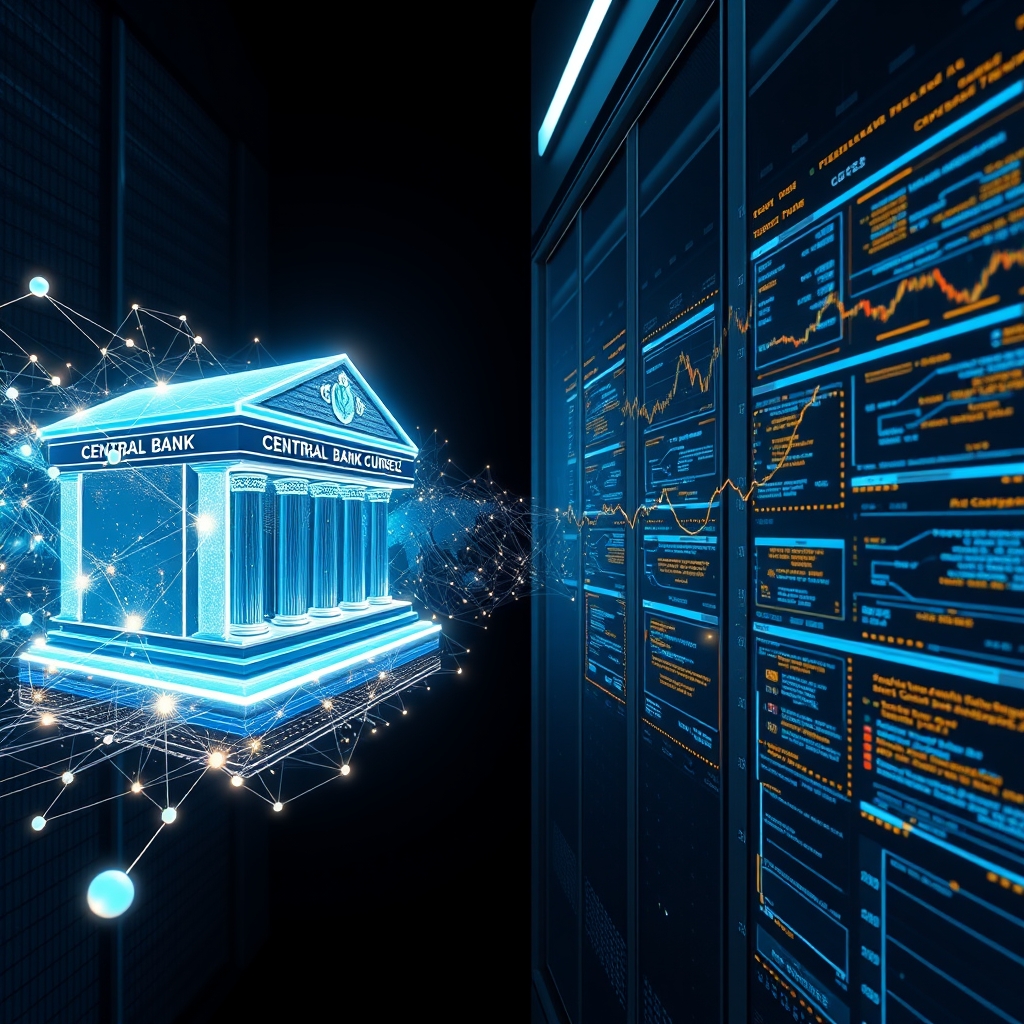
The hum of servers in a data center is the modern equivalent of the trading floors of old—quiet, yet pulsating with the energy of billions of transactions. In this digital age, finance is no longer confined to the clatter of keyboards or the scribble of pens on paper. Instead, it thrives in the silent, invisible currents of data, where algorithms and digital currencies are reshaping the very foundations of how we perceive, manage, and grow wealth. At the heart of this transformation lies the convergence of two powerful forces: Central Bank Digital Currencies (CBDCs) and algorithmic trading systems. Together, they are not just altering the mechanics of finance but are redefining its architecture, making it more dynamic, inclusive, and, paradoxically, more controlled.
The Rise of the Digital Sovereign: Central Bank Digital Currencies
Imagine a world where money is not just a piece of paper or a number in a bank account but a programmable entity, capable of executing transactions with precision and transparency. This is the promise of Central Bank Digital Currencies. Unlike cryptocurrencies such as Bitcoin or Ethereum, which operate in a decentralized ecosystem, CBDCs are issued and regulated by central banks, making them a digital extension of a nation’s fiat currency. Countries like China, with its digital yuan, and the European Union, with its exploration of a digital euro, are at the forefront of this movement, signaling a shift that could redefine global financial systems.
The implications of CBDCs are vast. For one, they offer a level of financial inclusion previously unattainable. In regions where traditional banking infrastructure is sparse, CBDCs can provide access to digital payments and financial services through a simple smartphone. This democratization of finance could lift millions out of poverty, bridging the gap between the banked and the unbanked. Moreover, CBDCs enhance the efficiency of transactions, reducing the time and cost associated with cross-border payments, which have long been plagued by intermediaries and delays.
Yet, the rise of CBDCs is not without its challenges. Privacy concerns loom large, as the digital nature of these currencies allows for unprecedented tracking of financial activities. Governments and central banks must strike a delicate balance between transparency and individual privacy, ensuring that the benefits of CBDCs do not come at the cost of personal freedoms. Additionally, the integration of CBDCs into existing financial systems requires robust technological infrastructure and regulatory frameworks, which many nations are still in the process of developing.
The Algorithmic Pulse: Trading in the Age of Automation
While CBDCs are redefining the nature of money, algorithmic trading systems are transforming how that money moves. Algorithmic trading, or algo-trading, leverages complex mathematical models and high-speed computing to execute trades at speeds and frequencies impossible for human traders. These systems analyze vast amounts of market data in real-time, identifying patterns and executing trades with precision, often in fractions of a second. The result is a financial landscape that is more efficient, liquid, and, some argue, more volatile.
The impact of algorithmic trading is particularly evident in equity markets and forex trading. In the stock market, algorithms account for a significant portion of trading volume, with some estimates suggesting that over 80% of trades in certain markets are executed by machines. These systems can exploit minute price discrepancies, execute large orders without significantly impacting market prices, and manage risk with a level of sophistication that human traders cannot match. In the foreign exchange market, where currencies are traded 24 hours a day, algorithmic trading has become indispensable, providing liquidity and narrowing bid-ask spreads.
However, the rise of algorithmic trading is not without controversy. Critics argue that these systems can amplify market volatility, as seen in events like the 2010 Flash Crash, where algorithms exacerbated a rapid market decline. There are also concerns about the potential for market manipulation, as sophisticated actors could exploit algorithmic vulnerabilities. Regulators are grappling with these challenges, seeking to strike a balance between fostering innovation and maintaining market integrity.
The Convergence: CBDCs and Algorithmic Trading
The true power of this financial revolution lies in the convergence of CBDCs and algorithmic trading. Together, they create a synergy that could redefine the speed, efficiency, and accessibility of global finance. For instance, CBDCs could enable real-time settlement of trades, eliminating the delays and risks associated with traditional clearing and settlement processes. This would not only reduce counterparty risk but also free up capital that is currently tied up in settlement cycles.
Moreover, the programmability of CBDCs opens up new possibilities for algorithmic trading. Smart contracts, which are self-executing contracts with the terms directly written into code, could be integrated with CBDCs to automate complex financial transactions. Imagine a world where loans, insurance policies, or even salary payments are executed automatically based on predefined conditions, without the need for intermediaries. This level of automation could reduce costs, increase transparency, and minimize the potential for human error or fraud.
Yet, this convergence also presents new challenges. The integration of CBDCs with algorithmic trading systems requires robust cybersecurity measures to protect against hacking and other malicious activities. Additionally, the potential for systemic risk increases as financial systems become more interconnected and reliant on technology. Regulators and financial institutions must work together to develop frameworks that mitigate these risks while fostering innovation.
The Human Element: Navigating the Digital Frontier
As finance becomes increasingly digitized, the role of human judgment and oversight remains crucial. While algorithms can process data and execute trades at lightning speed, they lack the ability to understand the broader economic, political, and social contexts that influence markets. Human traders and financial experts bring intuition, experience, and ethical considerations to the table, ensuring that the financial system remains grounded in real-world dynamics.
For individual investors, the rise of CBDCs and algorithmic trading presents both opportunities and challenges. On one hand, these technologies can provide access to sophisticated financial tools and strategies that were once the domain of institutional investors. On the other hand, the complexity and speed of these systems can be overwhelming, making it essential for investors to educate themselves and seek expert advice. Financial literacy will become increasingly important as the lines between traditional and digital finance continue to blur.
The digital ledger of modern finance is being written in real-time, with each transaction, each algorithm, and each digital currency contributing to a new chapter in the story of money. Central Bank Digital Currencies and algorithmic trading are not just tools but architects of this new era, shaping a financial landscape that is more connected, efficient, and dynamic than ever before. As we stand on the precipice of this transformation, it is clear that the future of finance will be defined by those who can harness the power of technology while navigating its complexities with wisdom and foresight. The silent hum of servers may be the soundtrack of this revolution, but the decisions we make today will determine the rhythm of the financial world for generations to come.