
The Alchemy of Adaptation: How Digital Twin Manufacturing and Human-Centric Production Are Crafting the Resilient Factory of Tomorrow
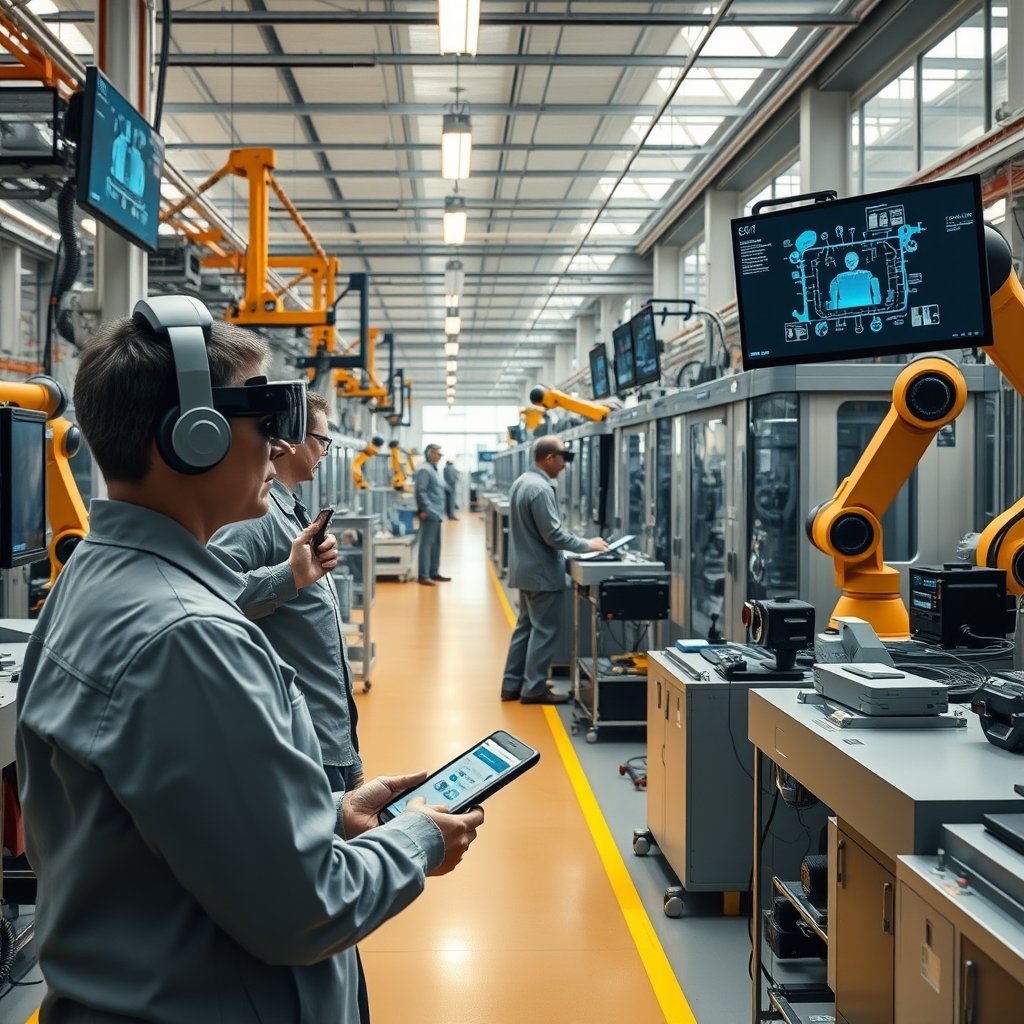
In the rapidly evolving landscape of modern manufacturing, the concept of smart factories has emerged as a beacon of innovation and efficiency. At the heart of this transformation lie two pivotal elements: Digital Twin Manufacturing and Human-Centric Production. Together, they are not merely enhancing the capabilities of smart factories but are also crafting a resilient, adaptable, and sustainable future for the industry.
Digital Twin Manufacturing: The Virtual Blueprint of the Future
Digital Twin Manufacturing is a revolutionary concept that involves creating a virtual replica of a physical manufacturing process. This digital twin is a dynamic, real-time model that mirrors the performance, behavior, and lifecycle of its physical counterpart. By integrating data from various sources such as sensors, IoT devices, and historical data, digital twins provide a comprehensive view of the manufacturing process, enabling predictive analytics, optimization, and decision-making.
The Benefits of Digital Twin Manufacturing
Digital Twin Manufacturing offers numerous benefits that are reshaping the landscape of smart factories. Firstly, it enables predictive maintenance, allowing manufacturers to anticipate and prevent equipment failures before they occur. This proactive approach not only reduces downtime but also extends the lifespan of the equipment.
Secondly, digital twins facilitate real-time process analytics, providing manufacturers with insights into the performance of their operations. This data-driven approach enables manufacturers to identify bottlenecks, optimize workflows, and improve overall efficiency.
Moreover, digital twins enhance the quality control process by enabling predictive quality control. By analyzing data from various stages of the manufacturing process, digital twins can identify potential quality issues and take corrective actions, ensuring that the final product meets the desired standards.
Lastly, digital twins support sustainable supply chain management by providing a comprehensive view of the entire supply chain. This visibility enables manufacturers to optimize inventory levels, reduce waste, and improve resource utilization, contributing to a more sustainable and environmentally friendly manufacturing process.
Human-Centric Production: The Human Touch in the Age of Automation
While automation and digitalization are driving the evolution of smart factories, it is essential to recognize the critical role of human expertise and creativity in this transformation. Human-Centric Production emphasizes the integration of human skills, knowledge, and intuition into the manufacturing process, ensuring that the benefits of automation are harnessed effectively.
The Role of Human-Centric Production
Human-Centric Production plays a crucial role in smart factories by bridging the gap between automation and human expertise. It involves the deployment of collaborative robotics, which work alongside human operators to enhance productivity, safety, and quality.
Collaborative robotics, or cobots, are designed to interact with humans in a shared workspace. They can perform repetitive and dangerous tasks, freeing up human operators to focus on more complex and creative aspects of the manufacturing process. This collaboration not only improves efficiency but also enhances workplace safety by reducing the risk of accidents.
Moreover, Human-Centric Production emphasizes the importance of tech-enabled workforce training. By leveraging digital tools and platforms, manufacturers can provide continuous training and upskilling opportunities for their workforce, ensuring that they are equipped with the necessary skills to thrive in the age of automation.
Additionally, Human-Centric Production promotes a culture of innovation and continuous improvement. By involving human operators in the decision-making process, manufacturers can tap into their creativity and expertise, leading to innovative solutions and continuous process improvements.
The Synergy of Digital Twin Manufacturing and Human-Centric Production
The true power of smart factories lies in the synergy between Digital Twin Manufacturing and Human-Centric Production. By combining the predictive capabilities of digital twins with the human touch of Human-Centric Production, manufacturers can create a resilient, adaptable, and sustainable manufacturing ecosystem.
Digital twins provide the data and insights necessary for informed decision-making, while Human-Centric Production ensures that these decisions are implemented effectively and creatively. Together, they enable manufacturers to navigate the complexities of the modern manufacturing landscape, adapt to changing market conditions, and deliver high-quality products in a sustainable manner.
In the end, the future of smart factories is not about replacing human expertise with automation but about harnessing the best of both worlds. By embracing Digital Twin Manufacturing and Human-Centric Production, manufacturers can create a resilient, adaptable, and sustainable manufacturing ecosystem that meets the demands of the present and the future.