
Contactless Mobile Payments: Security and Convenience in the Digital Age
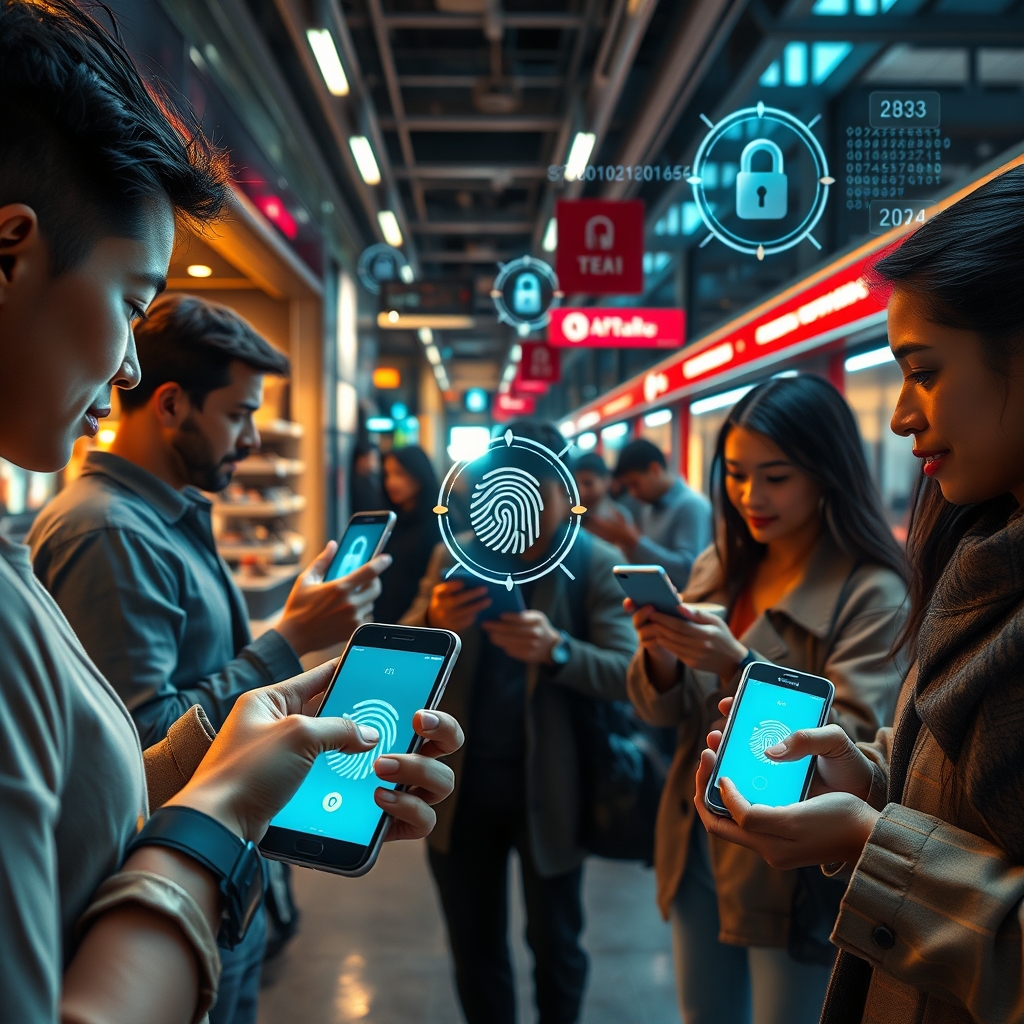
The way we pay for goods and services has undergone a dramatic transformation in recent years. The once-ubiquitous swipe of a credit card or the jingle of coins in a pocket is being replaced by a simple tap or wave of a smartphone. Contactless mobile payments have surged in popularity, driven by advancements in technology and a growing demand for faster, more secure transactions. This shift is not merely a trend but a fundamental change in how consumers interact with money, businesses, and financial institutions.
The Rise of Contactless Mobile Payments
Contactless mobile payments leverage near-field communication (NFC) technology, allowing users to complete transactions by holding their smartphone or wearable device near a payment terminal. Services like Apple Pay, Google Pay, and Samsung Pay have become household names, integrating seamlessly with digital wallets and banking apps. The COVID-19 pandemic accelerated this adoption, as consumers and businesses alike sought hygienic, touch-free alternatives to cash and physical cards. According to a 2023 report by Juniper Research, global contactless payment transactions are expected to exceed $10 trillion by 2027, a testament to their growing dominance in the financial landscape.
This rise is not limited to developed markets. Emerging economies, where traditional banking infrastructure may be less accessible, are also embracing mobile payments. In countries like Kenya and India, platforms such as M-Pesa and Paytm have revolutionized financial inclusion, enabling millions to participate in the digital economy. The convenience of mobile payments—eliminating the need for physical cash or cards—has made them an attractive option for consumers of all ages and backgrounds.
Security Measures: Protecting Consumers in a Digital World
With the convenience of contactless mobile payments comes the critical question of security. How do these systems protect users from fraud, data breaches, and unauthorized access? The answer lies in a multi-layered approach to security, combining encryption, tokenization, and biometric authentication.
Encryption and Tokenization
When a user adds a credit or debit card to a mobile wallet, the card details are not stored on the device or shared with merchants during transactions. Instead, a unique token—a randomly generated string of numbers—is created to represent the card. This token is used to process payments, ensuring that sensitive information remains secure. Even if a hacker intercepts the token, it is useless without the corresponding encryption keys, which are stored securely by the payment network (e.g., Visa, Mastercard).
Biometric Authentication
Gone are the days of relying solely on PINs or signatures. Modern mobile payment systems incorporate biometric authentication, such as fingerprint scanning or facial recognition, to verify a user’s identity. These methods are not only more secure but also more convenient, reducing the friction of entering a passcode for every transaction. For example, Apple Pay requires Face ID or Touch ID authentication before a payment can be processed, adding an extra layer of protection against unauthorized use.
Dynamic Security Codes
Traditional credit cards rely on static security codes (CVV) printed on the back. In contrast, mobile payment systems generate dynamic security codes for each transaction. These codes change frequently, making it nearly impossible for fraudsters to reuse stolen information. This feature significantly reduces the risk of card-not-present fraud, which is a growing concern in the e-commerce space.
The Convenience Factor: Why Consumers Are Making the Switch
While security is a top priority, the convenience of contactless mobile payments is arguably the biggest driver of their adoption. The ability to leave wallets at home and pay with a smartphone or smartwatch is a game-changer for many consumers. Here are some of the key benefits that are fueling this shift:
Speed and Efficiency
Contactless payments are significantly faster than traditional methods. A tap-and-go transaction takes just a few seconds, compared to the time it takes to swipe a card, enter a PIN, or count out cash. This speed is particularly valuable in high-traffic environments like public transportation, retail stores, and fast-food restaurants, where long lines can deter customers. Businesses also benefit from reduced transaction times, as they can serve more customers in less time.
Seamless Integration with Digital Ecosystems
Mobile payment systems are designed to integrate seamlessly with other digital services. For example, users can link their payment methods to loyalty programs, receipt management apps, and budgeting tools. This integration simplifies financial management, allowing consumers to track spending, earn rewards, and receive digital receipts—all from a single app. The ability to consolidate multiple functions into one platform enhances the overall user experience and encourages continued use.
Enhanced Accessibility
For individuals with disabilities or those who struggle with traditional payment methods, contactless mobile payments offer a more accessible alternative. Features like voice commands, larger touch targets, and compatibility with assistive technologies make it easier for everyone to participate in the digital economy. Additionally, mobile payments eliminate the need to carry multiple cards or cash, reducing the risk of loss or theft.
The Impact on Traditional Payment Methods
The rise of contactless mobile payments is reshaping the financial industry, prompting traditional payment methods to adapt or risk becoming obsolete. Cash usage has been declining for years, but the pandemic accelerated this trend. According to a 2022 study by the Federal Reserve, cash accounted for just 20% of all payments in the U.S., down from 31% in 2016. Meanwhile, credit and debit card usage remains strong, but even these methods are evolving to incorporate contactless technology.
Banks and financial institutions are also responding to this shift. Many are investing in digital wallets, peer-to-peer payment platforms, and enhanced security features to meet consumer demand. For example, some banks now offer virtual cards—temporary card numbers that can be used for online purchases—further reducing the risk of fraud. The competition between traditional financial institutions and fintech companies is driving innovation, ultimately benefiting consumers with more choices and better services.
As contactless mobile payments continue to gain traction, they are not just changing how we pay—they are redefining our relationship with money. The blend of security and convenience they offer is unmatched by traditional methods, making them an indispensable tool in the digital age. Whether you’re tapping your phone to buy a coffee, sending money to a friend, or managing your finances on the go, mobile payments are making transactions simpler, safer, and more efficient. The future of payments is here, and it fits in the palm of your hand.