The Alchemy of Efficiency: How Predictive Quality Control and Human-Centric Production Are Crafting the Future of Smart Factories
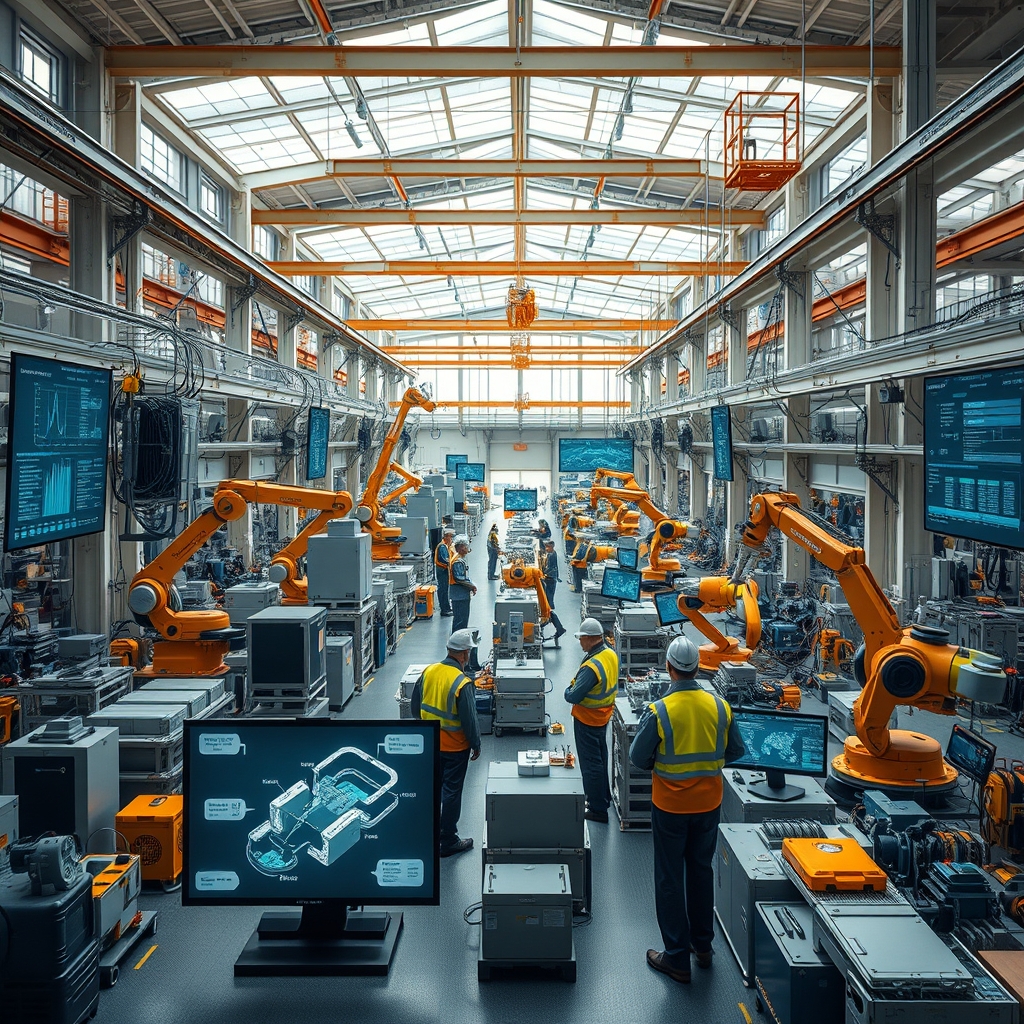
In the heart of the industrial revolution, a new alchemy is being forged. It’s not the alchemy of ancient times, with its potions and spells, but the alchemy of efficiency, where the ingredients are technology and human ingenuity. This alchemy is brewing in the crucible of smart factories, where Predictive Quality Control and Human-Centric Production are the key ingredients.
The Alchemy of Predictive Quality Control
Predictive Quality Control is a game-changer in the world of manufacturing. It’s not about checking the quality of products after they’re made, but predicting potential quality issues before they even occur. This is achieved through the use of advanced analytics, machine learning, and real-time data collection.
Imagine a factory where every machine, every process, and every product is monitored in real-time. Sensors and IoT devices collect data on everything from temperature and pressure to vibration and throughput. This data is then fed into a predictive analytics model, which can identify patterns and predict potential quality issues.
The Benefits of Predictive Quality Control
Predictive Quality Control offers several benefits. Firstly, it can significantly reduce the number of defective products. By identifying potential quality issues before they occur, manufacturers can take corrective action, preventing defective products from being produced.
Secondly, it can improve productivity. By preventing quality issues, manufacturers can avoid the time and cost associated with rework and scrap. This can lead to significant improvements in productivity and efficiency.
Finally, it can enhance customer satisfaction. By ensuring that only high-quality products are produced and shipped, manufacturers can build customer trust and loyalty.
The Alchemy of Human-Centric Production
While technology is a key ingredient in the alchemy of efficiency, human ingenuity is equally important. This is where Human-Centric Production comes in. It’s about putting the human at the center of the production process, ensuring that their skills, knowledge, and creativity are fully utilized.
In a Human-Centric Production environment, workers are not just cogs in a machine. They are integral parts of the production process, working alongside intelligent machines and systems to create high-quality products.
The Benefits of Human-Centric Production
Human-Centric Production offers several benefits. Firstly, it can enhance product quality. By utilizing the skills and creativity of workers, manufacturers can produce products that are not only functional but also innovative and appealing.
Secondly, it can improve worker satisfaction and engagement. By providing workers with the tools and support they need to do their jobs effectively, manufacturers can create a positive and productive work environment.
Finally, it can foster a culture of continuous improvement. By encouraging workers to share their ideas and suggestions, manufacturers can create a culture of innovation and improvement.
The Alchemy of Efficiency
When Predictive Quality Control and Human-Centric Production are combined, they create a powerful alchemy of efficiency. Predictive Quality Control ensures that only high-quality products are produced, while Human-Centric Production ensures that these products are innovative and appealing. Together, they create a production process that is not only efficient but also effective.
In the future of smart factories, Predictive Quality Control and Human-Centric Production will be the key ingredients in the alchemy of efficiency. They will ensure that manufacturers can produce high-quality, innovative products in a cost-effective and sustainable way. This will not only benefit manufacturers but also consumers, who will have access to a wider range of high-quality products.