The Power of Preventive Equipment Maintenance in Driving Data-Driven Production Efficiency
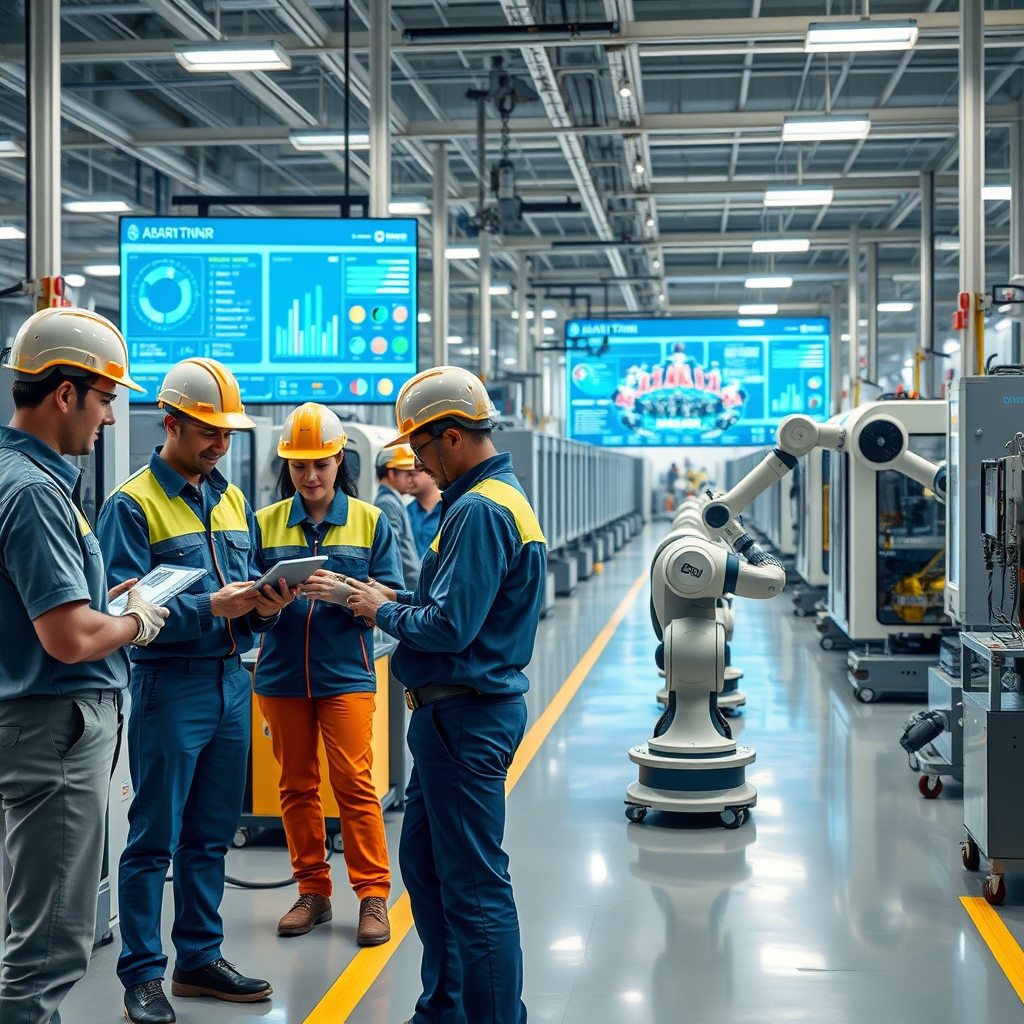
In the rapidly evolving landscape of modern manufacturing, the shift from reactive to proactive strategies has become a cornerstone of operational excellence. Among these strategies, preventive equipment maintenance stands out as a critical yet often underappreciated driver of efficiency, particularly when integrated with data-driven production systems. By leveraging real-time analytics, predictive quality control, and smart factory integration, manufacturers can transform maintenance from a cost center into a strategic advantage, ensuring seamless operations and minimizing downtime.
The Evolution of Maintenance in Smart Factories
Traditionally, maintenance was viewed as a necessary evil—a disruptive but unavoidable part of production. Factories operated on a reactive model, addressing equipment failures only after they occurred, leading to costly unplanned downtime and inefficiencies. However, the advent of Industry 4.0 technologies has redefined this approach. Smart factories now employ a combination of IoT sensors, machine learning algorithms, and real-time process analytics to monitor equipment health continuously. This shift enables manufacturers to predict potential failures before they happen, allowing for timely interventions that keep production lines running smoothly.
Preventive maintenance, when combined with predictive analytics, becomes a powerful tool for optimizing asset performance. By analyzing historical data and real-time metrics, manufacturers can identify patterns that precede equipment failures, such as unusual vibrations, temperature fluctuations, or energy consumption spikes. This data-driven approach not only extends the lifespan of machinery but also enhances overall production efficiency by reducing unexpected disruptions.
Integrating Preventive Maintenance with Predictive Quality Control
One of the most significant advantages of preventive equipment maintenance is its synergy with predictive quality control. In a smart factory, quality is no longer an afterthought but an integral part of the production process. By monitoring equipment health in real time, manufacturers can ensure that machines operate within optimal parameters, reducing the likelihood of defects and inconsistencies in the final product. For example, a misaligned or worn-out component in an assembly line can lead to subpar products, but with preventive maintenance, such issues are detected and addressed before they impact quality.
Moreover, the integration of digital twin manufacturing further enhances this synergy. A digital twin—a virtual replica of a physical asset—allows manufacturers to simulate maintenance scenarios and assess their impact on production quality. By running these simulations, factories can fine-tune their maintenance schedules to align with production demands, ensuring that interventions do not disrupt workflows while still maintaining high standards of quality.
The Role of Real-Time Process Analytics
Real-time process analytics serve as the backbone of effective preventive maintenance strategies. By continuously collecting and analyzing data from sensors embedded in machinery, manufacturers gain a granular understanding of equipment performance. This data is then used to generate actionable insights, such as identifying which components are most prone to failure or determining the optimal intervals for maintenance tasks. For instance, a factory might discover that a particular machine requires lubrication every 500 hours of operation to prevent excessive wear, rather than adhering to a generic schedule.
These analytics also enable manufacturers to adopt a condition-based maintenance approach, where interventions are triggered by specific thresholds rather than fixed time intervals. This method not only reduces unnecessary maintenance activities but also ensures that resources are allocated where they are needed most, further driving efficiency.
Human-Centric Production and Workforce Empowerment
While technology plays a pivotal role in preventive maintenance, the human element remains indispensable. A human-centric production model emphasizes the importance of empowering workers with the tools and knowledge they need to contribute to maintenance efforts. Tech-enabled workforce training programs, for example, equip employees with the skills to interpret data from IoT sensors, perform routine maintenance tasks, and collaborate effectively with automated systems.
Collaborative robotics, or cobots, further enhance this human-machine partnership. Cobots can assist workers in performing maintenance tasks that require precision or physical strength, such as replacing heavy components or conducting inspections in hard-to-reach areas. By automating repetitive or hazardous tasks, cobots free up human workers to focus on more complex and value-added activities, such as analyzing maintenance data or optimizing workflows.
Sustainable and Lean Operational Excellence
Preventive equipment maintenance also aligns with the principles of lean operational excellence and sustainable manufacturing. By minimizing unplanned downtime and reducing the need for emergency repairs, factories can optimize their resource usage, lowering energy consumption and waste. For example, a well-maintained machine operates more efficiently, consuming less power and producing fewer defective products, which in turn reduces material waste.
Furthermore, preventive maintenance contributes to ethical sourcing transparency by ensuring that equipment is used responsibly and sustainably. Manufacturers can demonstrate their commitment to sustainability by tracking the lifecycle of their machinery, from procurement to disposal, and implementing maintenance practices that extend the lifespan of assets. This not only reduces the environmental impact of manufacturing but also enhances the company’s reputation among environmentally conscious consumers.
As manufacturing continues to evolve, the integration of preventive equipment maintenance with data-driven production systems will become increasingly vital. The factories that thrive in this new era will be those that recognize maintenance not as a burden, but as a strategic enabler of efficiency, quality, and sustainability. By embracing real-time analytics, predictive quality control, and human-centric production models, manufacturers can transform their operations into agile, resilient, and future-ready powerhouses. The journey toward operational excellence begins with a single step—proactively caring for the machines that drive production forward.