Predictive Quality Control: The Game-Changer for Data-Driven Production Efficiency
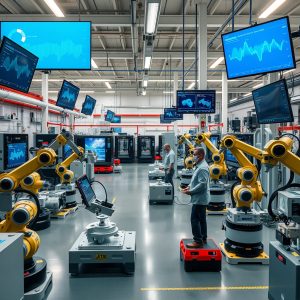
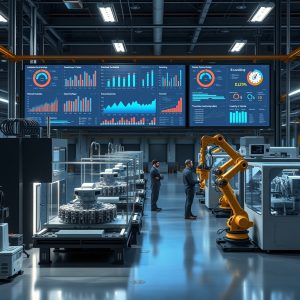
In the rapidly evolving landscape of modern manufacturing, the pursuit of operational excellence has led industries to embrace cutting-edge technologies that redefine how products are designed, produced, and delivered. Among these innovations, predictive quality control stands out as a transformative force, enabling factories to shift from reactive problem-solving to proactive defect prevention. By leveraging advanced analytics, machine learning, and real-time process monitoring, manufacturers can anticipate quality issues before they arise, reducing waste, enhancing efficiency, and delivering superior products to customers.
The Evolution of Quality Control in Manufacturing
Traditional quality control methods have long relied on post-production inspections, where defects are identified only after a component or product has been manufactured. This approach, while effective in catching errors, often leads to costly rework, material waste, and production delays. The limitations of this reactive model have become increasingly apparent in an era where speed, precision, and sustainability are paramount.
The advent of Industry 4.0 has paved the way for a more dynamic and intelligent approach to quality assurance. Predictive quality control integrates seamlessly with smart factory integration, where interconnected systems, IoT sensors, and AI-driven algorithms work in harmony to monitor production processes in real time. By analyzing historical and live data, these systems can detect patterns, anomalies, and potential deviations from quality standards, allowing manufacturers to intervene before defects occur.
How Predictive Quality Control Works
At the heart of predictive quality control lies a combination of real-time process analytics and machine learning models trained on vast datasets. IoT-enabled sensors embedded in machinery collect critical parameters such as temperature, pressure, vibration, and dimensional accuracy during production. This data is then fed into AI algorithms that identify correlations between process variables and product quality outcomes.
For example, in an automotive manufacturing plant, predictive models might detect that a slight increase in tool wear correlates with dimensional inaccuracies in a machined part. By flagging this trend early, the system can trigger maintenance alerts or adjust process parameters automatically, ensuring consistent quality without human intervention. This level of automation not only reduces defects but also optimizes preventive equipment maintenance, extending the lifespan of machinery and minimizing unplanned downtime.
The Role of Digital Twins in Enhancing Predictive Quality
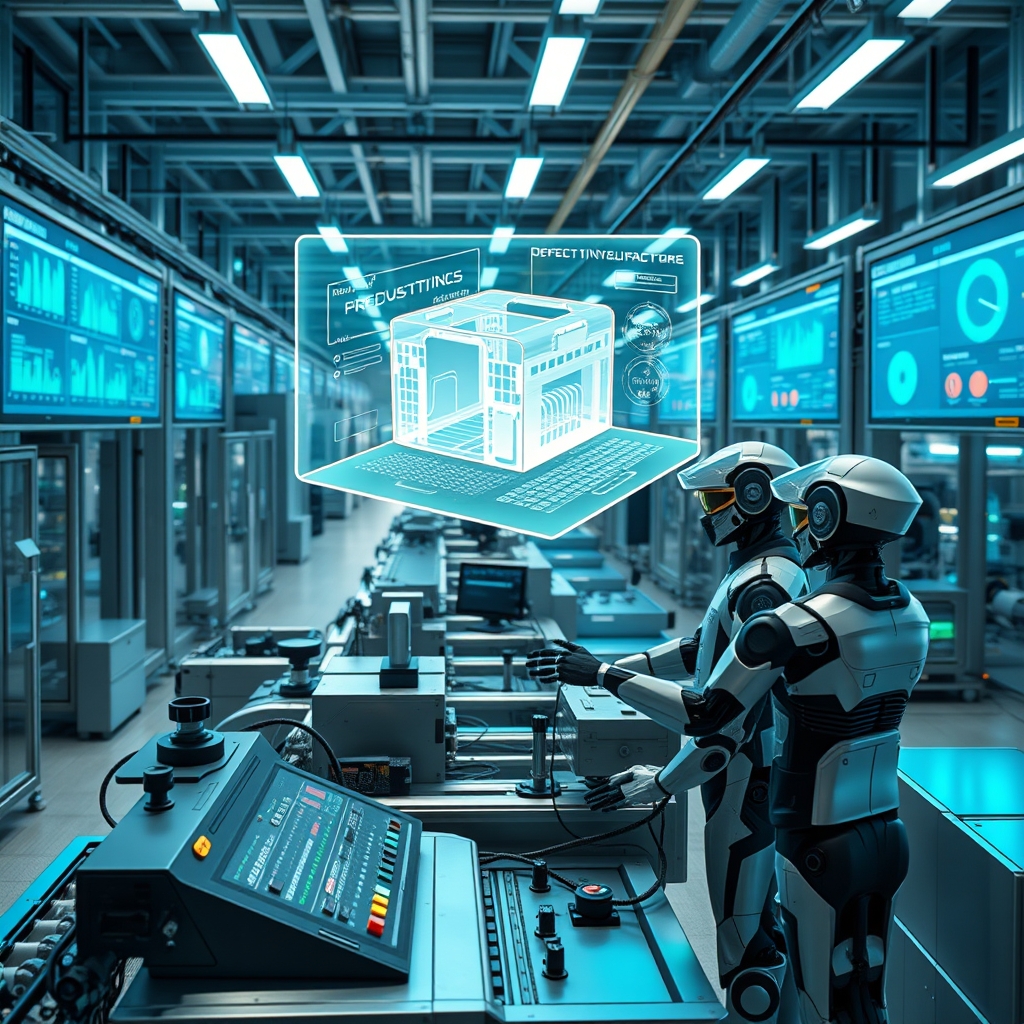
One of the most powerful tools in the predictive quality control arsenal is the digital twin—a virtual replica of a physical manufacturing process or product. Digital twins simulate real-world conditions, allowing engineers to test and refine production parameters in a risk-free environment. By running thousands of scenarios, manufacturers can identify the optimal settings for quality, efficiency, and sustainability before implementing changes on the shop floor.
In the context of predictive quality control, digital twins enable manufacturers to model the impact of process variations on product quality. For instance, a digital twin of an additive manufacturing workflow can simulate how changes in laser power, scan speed, or material composition affect the structural integrity of a 3D-printed component. This level of insight empowers manufacturers to fine-tune their processes for maximum precision, reducing trial-and-error experimentation and accelerating time-to-market.
Human-Centric Production and the Tech-Enabled Workforce
While predictive quality control is deeply rooted in automation and data analytics, its success hinges on the collaboration between technology and human expertise. A human-centric production approach ensures that workers are not replaced by machines but rather empowered by them. Advanced analytics platforms provide actionable insights, but it is the skilled workforce that interprets data, makes strategic decisions, and drives continuous improvement.
To bridge the gap between technology and workforce capabilities, manufacturers are investing in tech-enabled workforce training. Virtual reality (VR) and augmented reality (AR) simulations allow employees to practice operating machinery, troubleshooting issues, and responding to quality alerts in immersive, risk-free environments. This hands-on training accelerates skill development and ensures that workers are prepared to leverage predictive quality tools effectively.
Sustainability and Ethical Considerations in Predictive Quality Control
Beyond operational efficiency, predictive quality control plays a pivotal role in advancing sustainable supply chain practices. By minimizing defects and rework, manufacturers reduce material waste and energy consumption, aligning with global sustainability goals. Additionally, the ability to predict equipment failures before they occur prevents unnecessary resource expenditure, further reducing the environmental footprint of production.
Ethical considerations also come into play, particularly in industries where ethical sourcing transparency is a priority. Predictive quality control systems can track the origin and quality of raw materials, ensuring compliance with ethical sourcing standards. For example, in the electronics industry, manufacturers can use predictive analytics to verify that conflict-free minerals are used in production, reinforcing corporate social responsibility and consumer trust.
Scalable Solutions for Industry-Wide Adoption
The benefits of predictive quality control are not limited to large-scale enterprises. Thanks to scalable industrial solutions, small and medium-sized manufacturers can also harness the power of AI-driven quality assurance. Cloud-based analytics platforms and modular manufacturing systems allow businesses to adopt predictive quality tools incrementally, scaling their capabilities as their needs evolve. This democratization of technology ensures that even resource-constrained manufacturers can compete in an increasingly data-driven market.
As industries continue to embrace agile manufacturing processes, the integration of predictive quality control will become a cornerstone of competitive advantage. By combining real-time analytics, digital twins, and human expertise, manufacturers can achieve unprecedented levels of precision, efficiency, and sustainability. The factories of the future will not only produce higher-quality goods but will do so with minimal waste, maximum agility, and a deep commitment to ethical and environmental stewardship. The journey toward predictive quality control is not just about preventing defects—it’s about reimagining what’s possible in modern manufacturing, where every process is optimized, every decision is data-driven, and every product reflects the highest standards of excellence.