
The Invisible Hand of Code: How Algorithmic Trading and Smart Contracts Are Redefining Financial Sovereignty
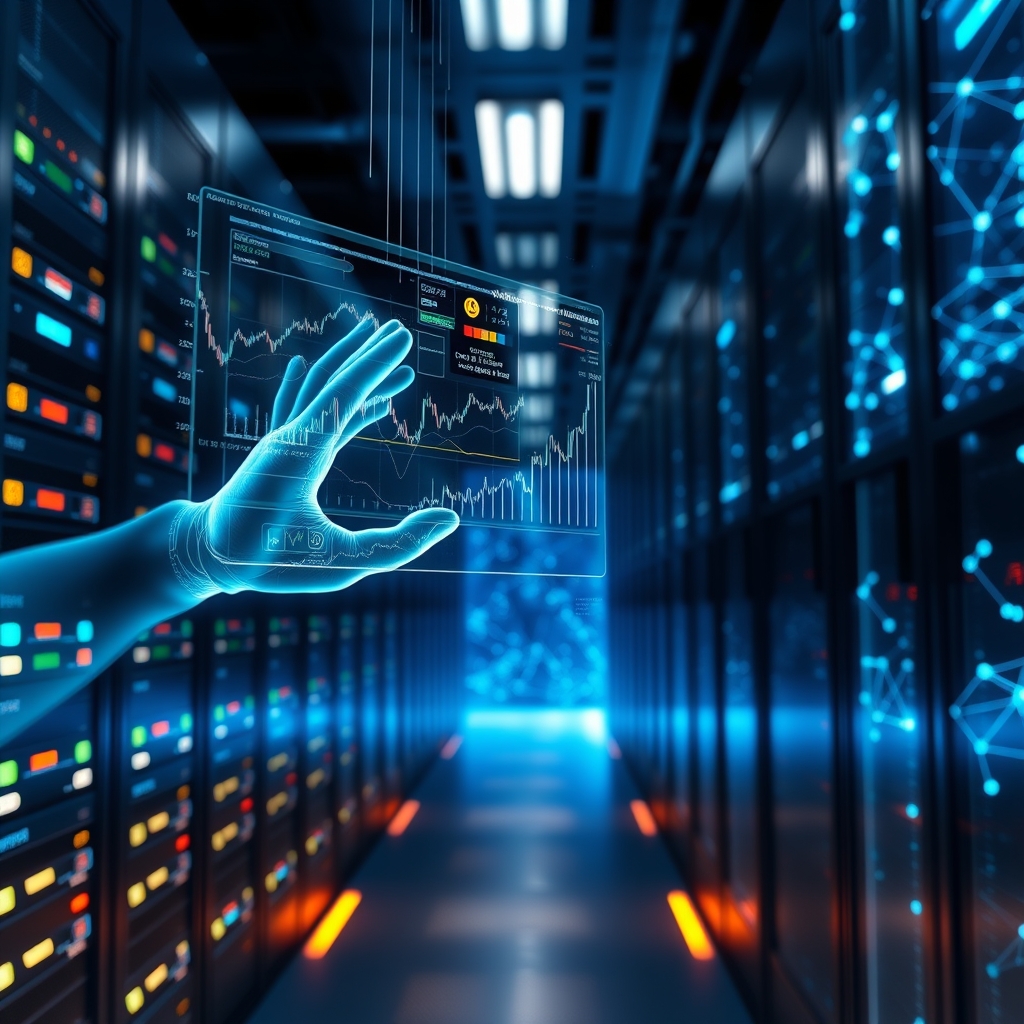
The hum of servers in a dimly lit data center is the new heartbeat of global finance. Gone are the days when traders shouted orders across crowded floors, their voices lost in the cacophony of ringing bells and rustling paper. Today, the markets move to the silent rhythm of algorithms—lines of code that execute trades in milliseconds, dissecting patterns in equity markets and foreign exchange rates with a precision no human could match. This is the era of algorithmic trading systems, where mathematics and machine learning converge to sculpt the financial landscape in ways both profound and unsettling.
The Alchemy of Automation
At the core of this transformation lies the ability of algorithms to process vast datasets at speeds that defy human comprehension. A single algorithm can analyze thousands of stocks, cryptocurrencies, and forex pairs simultaneously, identifying arbitrage opportunities or predicting market movements based on historical trends. These systems don’t just react to the market; they anticipate it, using predictive models to stay one step ahead of even the most seasoned traders. The result? A financial ecosystem that is faster, more efficient, and, for those who wield these tools effectively, extraordinarily profitable.
But the power of algorithmic trading extends beyond mere speed. These systems are also reshaping the very nature of investment portfolio management. By leveraging real-time data and adaptive strategies, algorithms can dynamically rebalance portfolios, hedging against risks while maximizing returns. For institutional investors and hedge funds, this means the ability to navigate the complexities of global markets with a level of agility that was once unimaginable. Yet, for the average investor, the rise of algorithmic trading can feel like stepping onto a playing field where the rules are written in a language they don’t understand.
The Rise of the Digital Contract
While algorithms dominate the trading floor, another technological force is quietly revolutionizing the way financial agreements are executed: smart contracts. Built on blockchain technology, these self-executing contracts eliminate the need for intermediaries, automating transactions with a level of transparency and security that traditional systems struggle to match. Imagine a world where loans are disbursed instantly upon meeting predefined conditions, or where dividends are distributed automatically based on real-time performance data. This is not a distant vision—it is the reality being forged by decentralized finance (DeFi) platforms today.
Smart contracts are particularly transformative in the realm of asset wealth management. By removing the layers of bureaucracy that often slow down traditional financial services, they enable faster, more cost-effective transactions. For example, a smart contract could automatically reallocate assets within a portfolio based on predefined risk parameters, ensuring that investments remain aligned with an investor’s goals without the need for manual intervention. This level of automation not only reduces operational costs but also minimizes the potential for human error—a critical advantage in an industry where precision is paramount.
The Double-Edged Sword of Decentralization
Yet, the shift toward decentralized systems is not without its challenges. While smart contracts offer unparalleled efficiency, they also introduce new risks. The immutable nature of blockchain means that once a contract is deployed, it cannot be altered—even if a flaw is discovered. This rigidity has led to high-profile incidents where vulnerabilities in smart contract code have been exploited, resulting in significant financial losses. The infamous DAO hack of 2016, where $60 million worth of Ether was stolen due to a coding error, serves as a stark reminder of the stakes involved.
Moreover, the decentralized nature of these systems can make them difficult to regulate. Traditional financial institutions operate within a framework of laws and oversight designed to protect investors and maintain market stability. In contrast, DeFi platforms often exist in a regulatory gray area, where the absence of centralized control can lead to increased volatility and exposure to fraud. For investors, this means navigating a landscape where the potential for high rewards is matched by equally high risks.
The Human Element in a Digital World
Amidst the rise of algorithms and smart contracts, one question lingers: what role does the human investor play in this new financial paradigm? The answer lies not in resisting the tide of automation but in learning to harness it. While algorithms excel at processing data and executing trades, they lack the intuition and creativity that define human decision-making. The most successful investors of the future will be those who can blend the analytical power of machines with their own strategic insight, using technology as a tool rather than a crutch.
For instance, an investor might use algorithmic trading systems to identify emerging trends in equity market trends or cryptocurrency trading, but ultimately rely on their own judgment to determine whether those trends align with their long-term goals. Similarly, while smart contracts can automate the execution of financial agreements, human oversight remains essential to ensure that those contracts are structured in a way that mitigates risk and aligns with ethical standards.
The Future of Financial Sovereignty
As we stand on the precipice of this digital revolution, it is clear that the financial landscape is undergoing a fundamental transformation. The rise of algorithmic trading and smart contracts is not just changing how we invest—it is redefining the very concept of financial sovereignty. In a world where code dictates the flow of capital, the ability to understand and leverage these technologies will be the key to unlocking new opportunities and safeguarding wealth in an increasingly complex environment.
The markets of tomorrow will belong to those who can navigate this intersection of technology and finance with both skill and foresight. Whether you are a seasoned investor or a newcomer to the world of digital assets, the message is clear: the future of finance is being written in code, and those who fail to adapt risk being left behind. The question is no longer whether these technologies will reshape the financial world, but how quickly and effectively we can learn to wield them to our advantage. The invisible hand of code is already at work—will you be the one to guide it, or will you be guided by it?