Revolutionizing Manufacturing: The Future is Here
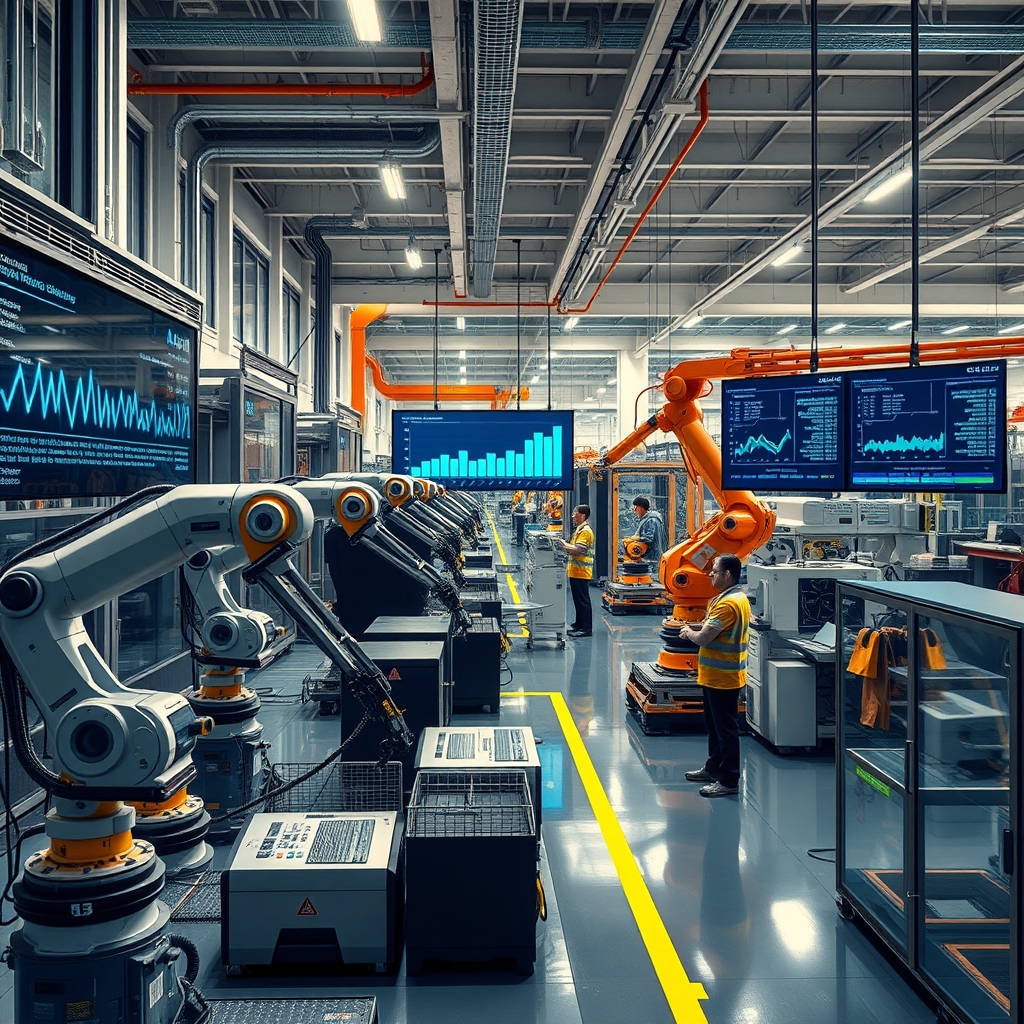
In the rapidly evolving landscape of manufacturing, the integration of advanced technologies is not just a trend but a necessity. The concept of the smart factory, where every aspect of production is interconnected and optimized, is becoming a reality. This transformation is driven by a multitude of innovative solutions that are reshaping the industry.
Smart Factory Integration
Smart factory integration is at the heart of this revolution. By leveraging the Internet of Things (IoT), artificial intelligence (AI), and big data analytics, manufacturers can create a seamless and efficient production environment. This integration allows for real-time monitoring and control of all processes, from raw material intake to finished product delivery.
Predictive Quality Control
One of the key benefits of smart factory integration is predictive quality control. By using AI and machine learning algorithms, manufacturers can predict and prevent quality issues before they occur. This proactive approach not only reduces waste but also ensures that products meet the highest standards of quality.
Human Centric Production
While automation is a significant part of the smart factory, human-centric production ensures that the workforce remains an integral part of the process. By focusing on ergonomics, training, and collaboration, manufacturers can create a work environment that is both efficient and humane. This approach not only improves productivity but also enhances job satisfaction and safety.
Digital Twin Manufacturing
Digital twin manufacturing is another groundbreaking technology that is transforming the industry. By creating a virtual replica of the physical manufacturing process, manufacturers can simulate and optimize production before any physical changes are made. This not only saves time and resources but also allows for more innovative and creative solutions.
Sustainable Supply Chain
In addition to efficiency, sustainability is a critical consideration in modern manufacturing. A sustainable supply chain ensures that all aspects of production, from sourcing raw materials to delivering finished products, are environmentally responsible. This includes reducing waste, conserving energy, and using eco-friendly materials.
Additive Manufacturing Workflows
Additive manufacturing, or 3D printing, is revolutionizing the way products are designed and produced. By creating objects layer by layer, additive manufacturing allows for greater design flexibility and reduced material waste. This technology is particularly useful in industries such as aerospace, automotive, and healthcare, where customization and precision are crucial.
Experiential Product Prototyping
Experiential product prototyping is another area where technology is making a significant impact. By using virtual and augmented reality, manufacturers can create immersive prototypes that allow for more realistic testing and evaluation. This not only speeds up the development process but also ensures that the final product meets customer expectations.
Real Time Process Analytics
Real-time process analytics is essential for maintaining the efficiency and quality of production. By continuously monitoring and analyzing data, manufacturers can identify and address issues as they arise. This proactive approach ensures that production remains on track and that any problems are quickly resolved.
Collaborative Robotics Deployment
Collaborative robotics, or cobots, are designed to work alongside humans, enhancing productivity and safety. By automating repetitive tasks, cobots allow human workers to focus on more complex and creative aspects of production. This collaboration not only improves efficiency but also creates a more engaging and fulfilling work environment.
Agile Manufacturing Processes
Agile manufacturing processes are essential for meeting the demands of a rapidly changing market. By being flexible and adaptable, manufacturers can quickly respond to customer needs and market trends. This agility ensures that production remains competitive and that customers receive the products they want, when they want them.
Data Driven Production Efficiency
Data-driven production efficiency is achieved by using data analytics to optimize every aspect of the manufacturing process. By analyzing data from sensors, machines, and other sources, manufacturers can identify areas for improvement and make data-driven decisions. This approach ensures that production is as efficient and effective as possible.
Lean Operational Excellence
Lean operational excellence is a philosophy that focuses on eliminating waste and improving efficiency. By continuously improving processes and reducing waste, manufacturers can achieve higher levels of productivity and quality. This approach ensures that production is as efficient and effective as possible.
Customer Integrated Design
Customer-integrated design ensures that products are designed with the customer in mind. By involving customers in the design process, manufacturers can create products that meet their needs and expectations. This approach ensures that products are not only functional but also appealing and user-friendly.
Modular Manufacturing Systems
Modular manufacturing systems allow for greater flexibility and scalability. By using modular components, manufacturers can quickly adapt to changing market demands and customer needs. This approach ensures that production remains competitive and that customers receive the products they want, when they want them.
Automated Assembly Insights
Automated assembly insights provide valuable information about the assembly process. By using sensors and data analytics, manufacturers can identify areas for improvement and make data-driven decisions. This approach ensures that assembly is as efficient and effective as possible.
Tech Enabled Workforce Training
Tech-enabled workforce training ensures that workers have the skills and knowledge they need to succeed in a rapidly changing industry. By using technology such as virtual reality and e-learning platforms, manufacturers can provide effective and engaging training. This approach ensures that workers are well-prepared to meet the demands of modern manufacturing.
Preventive Equipment Maintenance
Preventive equipment maintenance ensures that machines and equipment are well-maintained and operate at peak efficiency. By using predictive analytics and IoT sensors, manufacturers can identify and address issues before they cause downtime. This proactive approach ensures that production remains on track and that any problems are quickly resolved.
Ethical Sourcing Transparency
Ethical sourcing transparency ensures that all aspects of the supply chain are ethical and responsible. By providing transparency and accountability, manufacturers can build trust with customers and stakeholders. This approach ensures that production is not only efficient but also ethical and sustainable.
Scalable Industrial Solutions
Scalable industrial solutions ensure that manufacturing processes can be easily scaled up or down to meet changing market demands. By using flexible and adaptable technologies, manufacturers can quickly respond to customer needs and market trends. This approach ensures that production remains competitive and that customers receive the products they want, when they want them.
As we look to the future, it is clear that the manufacturing industry is on the cusp of a new era. By embracing advanced technologies and innovative solutions, manufacturers can create a more efficient, sustainable, and humane production environment. This transformation will not only benefit the industry but also society as a whole, ensuring that we can meet the challenges of the future with confidence and optimism.