Revolutionizing Manufacturing: A Deep Dive into Modern Industrial Practices
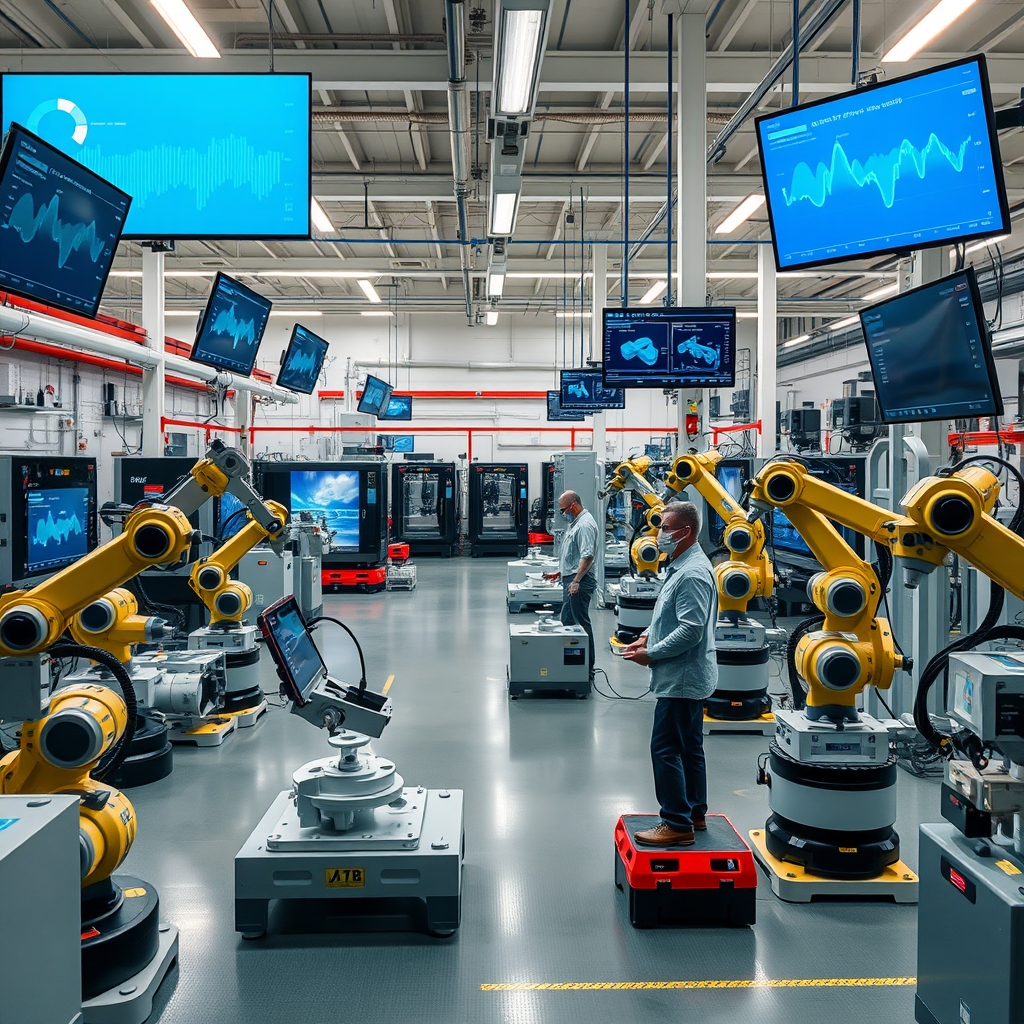
In the ever-evolving landscape of manufacturing, the integration of advanced technologies has become a cornerstone for achieving operational excellence and sustainability. This article explores some of the most transformative practices that are reshaping the industry, from smart factory integration to ethical sourcing transparency.
Smart Factory Integration
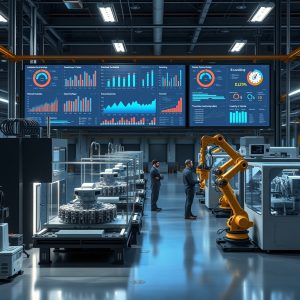
Smart factory integration is at the heart of the Fourth Industrial Revolution. By leveraging the Internet of Things (IoT), artificial intelligence (AI), and big data analytics, manufacturers can create interconnected systems that optimize production processes. These smart factories are capable of real-time monitoring and adjustment, leading to increased efficiency and reduced downtime.
Predictive Quality Control
Predictive quality control is another game-changer in the manufacturing sector. By using machine learning algorithms, manufacturers can predict potential quality issues before they occur. This proactive approach not only ensures higher product quality but also minimizes waste and rework, contributing to a more sustainable supply chain.
Human Centric Production
Human centric production focuses on creating a work environment that prioritizes the well-being and productivity of employees. This approach involves the use of collaborative robotics and ergonomic design to reduce physical strain and enhance job satisfaction. By fostering a positive work environment, manufacturers can attract and retain top talent, driving innovation and growth.
Digital Twin Manufacturing
Digital twin manufacturing involves creating virtual replicas of physical systems. These digital twins can be used to simulate and optimize production processes, identify potential bottlenecks, and test new designs without the need for physical prototypes. This technology not only accelerates the development cycle but also reduces costs and improves overall efficiency.
Sustainable Supply Chain
A sustainable supply chain is essential for meeting the growing demand for eco-friendly products. By implementing practices such as ethical sourcing transparency and lean operational excellence, manufacturers can minimize their environmental footprint. This includes reducing waste, conserving resources, and ensuring fair labor practices throughout the supply chain.
Additive Manufacturing Workflows
Additive manufacturing, or 3D printing, is revolutionizing the way products are designed and produced. This technology allows for the creation of complex geometries and customized products, reducing material waste and lead times. By integrating additive manufacturing workflows, manufacturers can achieve greater flexibility and innovation in their production processes.
Experiential Product Prototyping
Experiential product prototyping involves creating physical models that can be tested and refined in real-world conditions. This approach allows manufacturers to gather valuable feedback from users and make necessary adjustments before mass production. By embracing experiential product prototyping, manufacturers can ensure that their products meet the needs and expectations of their customers.
Real Time Process Analytics
Real time process analytics enables manufacturers to monitor and analyze production data in real time. This capability allows for immediate identification of issues and the implementation of corrective actions. By leveraging real time process analytics, manufacturers can achieve greater operational efficiency and quality control.
Collaborative Robotics Deployment
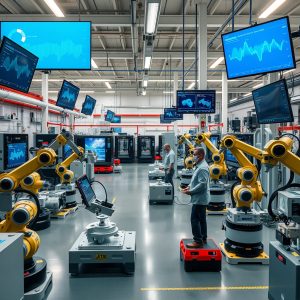
Collaborative robotics deployment involves the use of robots that work alongside human operators. These robots are designed to assist with tasks that are repetitive, dangerous, or require precision. By deploying collaborative robotics, manufacturers can enhance productivity, improve safety, and create a more flexible work environment.
Agile Manufacturing Processes
Agile manufacturing processes focus on flexibility and adaptability. By embracing agile practices, manufacturers can quickly respond to changing market demands and customer preferences. This approach involves the use of modular manufacturing systems and automated assembly insights to streamline production and reduce lead times.
Data Driven Production Efficiency
Data driven production efficiency involves the use of data analytics to optimize production processes. By collecting and analyzing data from various sources, manufacturers can identify areas for improvement and implement data-driven strategies. This approach leads to increased efficiency, reduced costs, and improved product quality.
Lean Operational Excellence
Lean operational excellence focuses on eliminating waste and maximizing value. By implementing lean principles, manufacturers can streamline their operations, reduce costs, and improve overall efficiency. This approach involves continuous improvement and the use of tools such as value stream mapping and just-in-time inventory management.
Customer Integrated Design
Customer integrated design involves incorporating customer feedback and preferences into the product design process. By engaging customers early and often, manufacturers can create products that meet their needs and expectations. This approach leads to higher customer satisfaction and loyalty, driving business growth and success.
Preventive Equipment Maintenance
Preventive equipment maintenance involves the regular inspection and maintenance of machinery to prevent breakdowns and extend their lifespan. By implementing preventive maintenance practices, manufacturers can reduce downtime, improve equipment reliability, and lower maintenance costs. This approach is essential for achieving operational excellence and sustainability.
As the manufacturing industry continues to evolve, the integration of advanced technologies and sustainable practices will be crucial for achieving operational excellence and meeting the demands of a changing market. By embracing these transformative practices, manufacturers can create a more efficient, sustainable, and customer-focused production environment. The future of manufacturing is here, and it is driven by innovation, collaboration, and a commitment to excellence.