
The Digital Alchemy: How Central Bank Digital Currencies and Algorithmic Trading Are Redefining the Future of Financial Markets
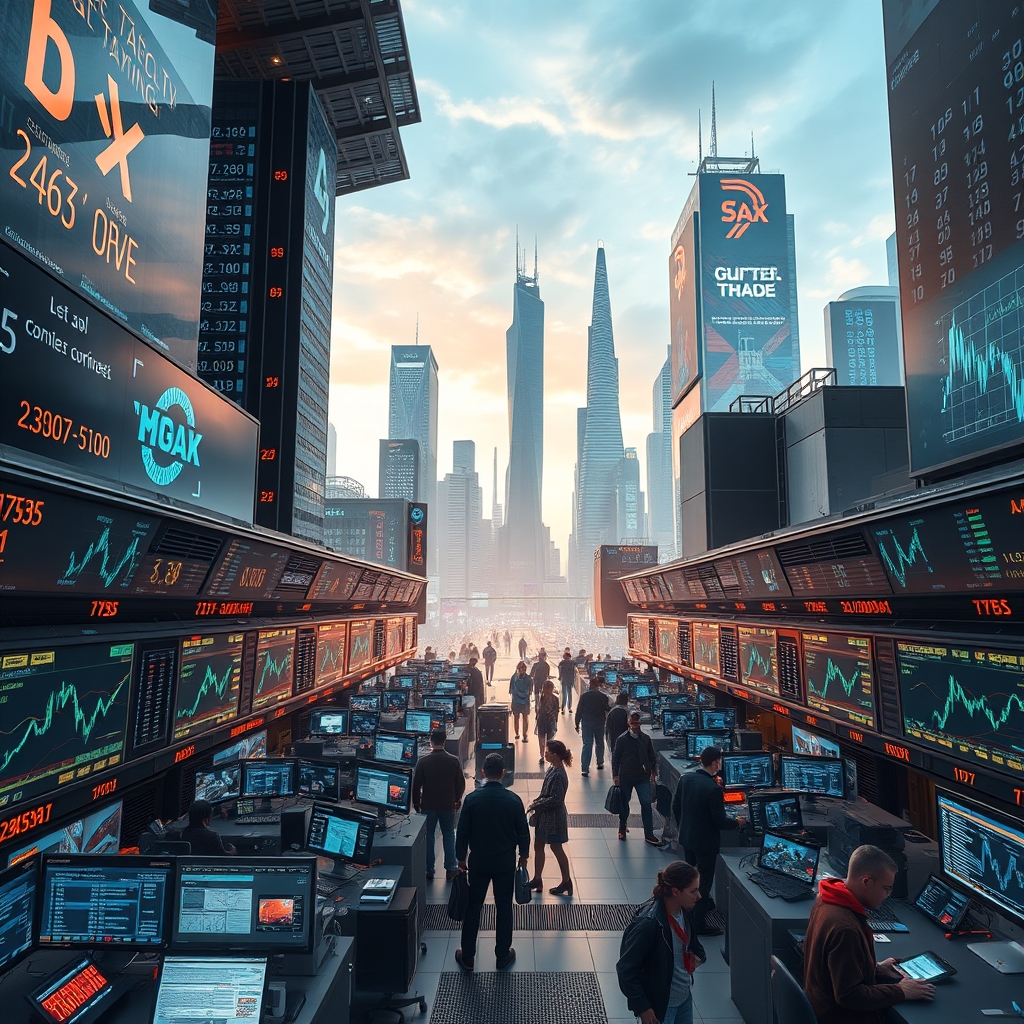
In the vast and ever-evolving landscape of finance, two revolutionary concepts are emerging as the new alchemists, transmuting the very essence of money and markets. Central Bank Digital Currencies (CBDCs) and Algorithmic Trading Systems are not just disrupting the status quo; they are redefining it, much like alchemists of old sought to turn base metals into gold.
The Emergence of Central Bank Digital Currencies
Central Bank Digital Currencies, or CBDCs, are digital representations of fiat money issued by central banks. They are designed to complement, not replace, physical cash and traditional bank deposits. The concept of CBDCs is not new, but the pace of their development has accelerated in recent years, driven by the need for greater efficiency, transparency, and control in the financial system.
CBDCs promise a host of benefits. They can facilitate faster and cheaper cross-border payments, reduce the cost of money for banks, and provide central banks with greater control over the money supply. Moreover, CBDCs can be designed to be more secure and less prone to fraud or counterfeiting than physical cash. However, they also raise significant privacy and monetary policy concerns. If CBDCs become widely adopted, they could fundamentally alter the relationship between central banks, commercial banks, and the public.
The Rise of Algorithmic Trading Systems
Algorithmic trading systems, or algos, are computer programs that execute trades according to a set of instructions. These systems can analyze vast amounts of data in milliseconds, identify opportunities, and execute trades faster than any human trader. The rise of algorithmic trading has been a game-changer in the financial markets, driving efficiency and liquidity.
Algorithmic trading systems are not just about speed and efficiency. They are also about risk management. Algos can be programmed to adhere to strict risk parameters, ensuring that they do not take on too much risk. They can also be designed to respond to market conditions in real-time, adjusting their strategies as needed. This level of sophistication and control is a far cry from the days of human traders making decisions based on intuition and limited information.
The Intersection of CBDCs and Algorithmic Trading
The intersection of CBDCs and algorithmic trading is where the real magic happens. CBDCs, with their potential for faster, cheaper, and more secure transactions, can provide the perfect environment for algorithmic trading. Algorithmic trading systems can leverage the efficiency and transparency of CBDCs to execute trades at unprecedented speeds and scales.
Moreover, the data generated by CBDCs can be a goldmine for algorithmic trading systems. Central banks can provide real-time data on the flow of money, which can be used by algos to identify trends, predict market movements, and execute trades. This symbiotic relationship between CBDCs and algorithmic trading can drive further innovation and efficiency in the financial system.
The Future of Financial Markets
The future of financial markets is not just about the adoption of CBDCs and the rise of algorithmic trading. It is about the symbiotic relationship between these two concepts. CBDCs can provide the infrastructure for algorithmic trading, while algorithmic trading can drive the demand for CBDCs. This mutually beneficial relationship can lead to a more efficient, transparent, and secure financial system.
However, the path to this future is not without challenges. The adoption of CBDCs is a complex and contentious process, involving technical, regulatory, and political considerations. Similarly, the rise of algorithmic trading has raised concerns about market manipulation, lack of transparency, and the potential for systemic risk. Addressing these challenges will be crucial in realizing the full potential of CBDCs and algorithmic trading.
In the end, the digital alchemy of CBDCs and algorithmic trading is not just about changing the way we transact and invest. It is about redefining the very essence of money and markets. As we stand on the brink of this new era, one thing is certain: the future of financial markets is not just digital; it is algorithmic.