Empowering the Modern Workforce: How Tech-Enabled Training and Collaborative Robotics Are Redefining Human-Centric Production
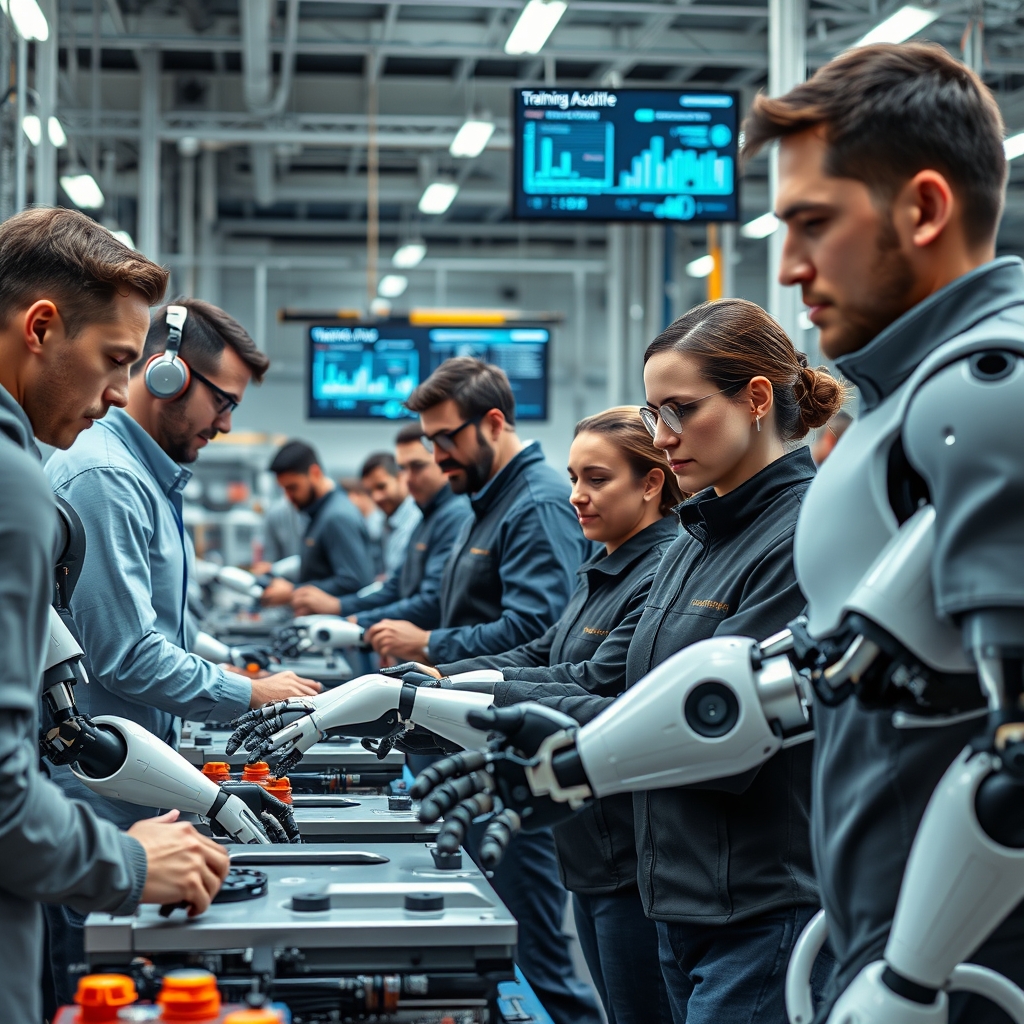
The manufacturing landscape is undergoing a profound transformation, driven by the convergence of advanced technologies and a renewed focus on the human element. At the heart of this evolution lies the concept of human-centric production—a philosophy that prioritizes the well-being, skills, and collaboration of the workforce alongside the integration of cutting-edge automation. This shift is not merely about adopting new tools but about reimagining how humans and machines can work together to create more efficient, adaptable, and sustainable manufacturing environments.
The Role of Tech-Enabled Workforce Training
As factories become smarter, the skills required to operate and maintain them are evolving at an unprecedented pace. Traditional training methods, often slow and rigid, are no longer sufficient to keep up with the demands of modern manufacturing. Enter tech-enabled workforce training—a dynamic approach that leverages digital tools to upskill employees efficiently and effectively. Virtual reality (VR) simulations, augmented reality (AR) overlays, and interactive e-learning platforms are just a few examples of how technology is being used to bridge the skills gap.
For instance, VR training modules allow workers to practice complex tasks in a risk-free environment, reducing the learning curve and minimizing errors on the factory floor. AR, on the other hand, provides real-time guidance by overlaying digital instructions onto physical equipment, enabling workers to perform tasks with greater precision. These technologies not only enhance learning outcomes but also empower employees to take ownership of their professional development, fostering a culture of continuous improvement.
Collaborative Robotics: A New Era of Human-Machine Partnership
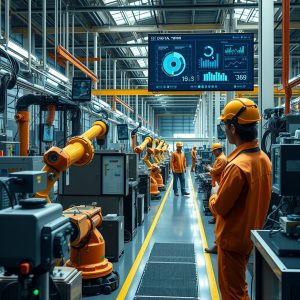
Collaborative robotics, or cobots, represent another cornerstone of human-centric production. Unlike traditional industrial robots, which operate in isolation and often pose safety risks to human workers, cobots are designed to work alongside humans, complementing their strengths and compensating for their limitations. These robots are equipped with advanced sensors and AI-driven algorithms that enable them to adapt to dynamic environments, making them ideal for tasks that require flexibility and precision.
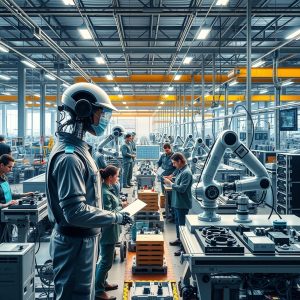
The deployment of cobots is transforming manufacturing processes by automating repetitive or physically demanding tasks, freeing up human workers to focus on higher-value activities such as problem-solving, creativity, and quality control. For example, in assembly lines, cobots can handle the heavy lifting or intricate assembly work, while human workers oversee the process, ensuring quality and making real-time adjustments. This synergy not only boosts productivity but also enhances job satisfaction by reducing the physical strain on workers and allowing them to engage in more meaningful work.
Real-World Applications and Benefits
Companies across industries are already reaping the benefits of integrating cobots into their operations. In automotive manufacturing, cobots are used to assist with welding, painting, and assembly tasks, improving accuracy and reducing cycle times. In electronics, they handle delicate components with precision, minimizing defects and waste. The healthcare sector is also leveraging cobots for tasks such as packaging medical devices, where sterility and precision are critical.
Beyond efficiency gains, cobots contribute to a safer and more inclusive work environment. Their built-in safety features, such as force-limiting technology and collision detection, reduce the risk of workplace injuries. Additionally, cobots can be programmed to assist workers with disabilities, enabling them to perform tasks that might otherwise be challenging. This inclusivity not only broadens the talent pool but also aligns with the principles of ethical and sustainable manufacturing.
Data-Driven Insights for Continuous Improvement
The integration of tech-enabled training and collaborative robotics is further enhanced by the power of data-driven insights. Real-time process analytics provide manufacturers with a granular view of their operations, enabling them to identify inefficiencies, predict maintenance needs, and optimize workflows. For example, sensors embedded in cobots can collect data on performance metrics such as speed, accuracy, and energy consumption. This data can then be analyzed to identify patterns, detect anomalies, and make informed decisions about process improvements.
Moreover, data-driven training platforms can personalize learning experiences by tracking individual progress and adapting content to address specific skill gaps. This ensures that workers receive the right training at the right time, maximizing their potential and contributing to overall operational excellence. By combining human expertise with data-driven intelligence, manufacturers can create a feedback loop that drives continuous innovation and improvement.
The Human Element in a Digital World
While technology plays a pivotal role in shaping the future of manufacturing, it is essential to remember that the ultimate goal is to empower the human workforce. Human-centric production is not about replacing workers with machines but about creating an ecosystem where technology enhances human capabilities. This requires a shift in mindset—one that values collaboration, adaptability, and lifelong learning.
Manufacturers must invest in creating a culture that encourages experimentation and embraces change. This includes providing opportunities for workers to engage with new technologies, offering incentives for upskilling, and fostering open communication between management and employees. By doing so, companies can build a resilient workforce that is equipped to navigate the challenges and opportunities of the digital age.
As the manufacturing industry continues to evolve, the fusion of tech-enabled training and collaborative robotics will play a crucial role in shaping the factories of the future. These innovations are not just about improving efficiency or reducing costs; they are about creating a more sustainable, inclusive, and human-centered approach to production. By embracing this paradigm shift, manufacturers can unlock new levels of productivity, innovation, and competitiveness, ensuring their success in an increasingly complex and dynamic global market. The journey toward human-centric production is not without its challenges, but the rewards—both for businesses and their employees—are well worth the effort.