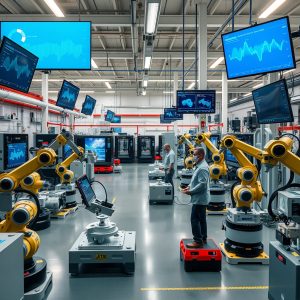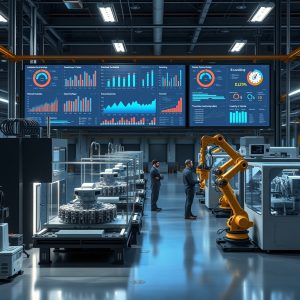
Human-Centric Production in the Age of Smart Factories: Balancing Automation with Workforce Empowerment
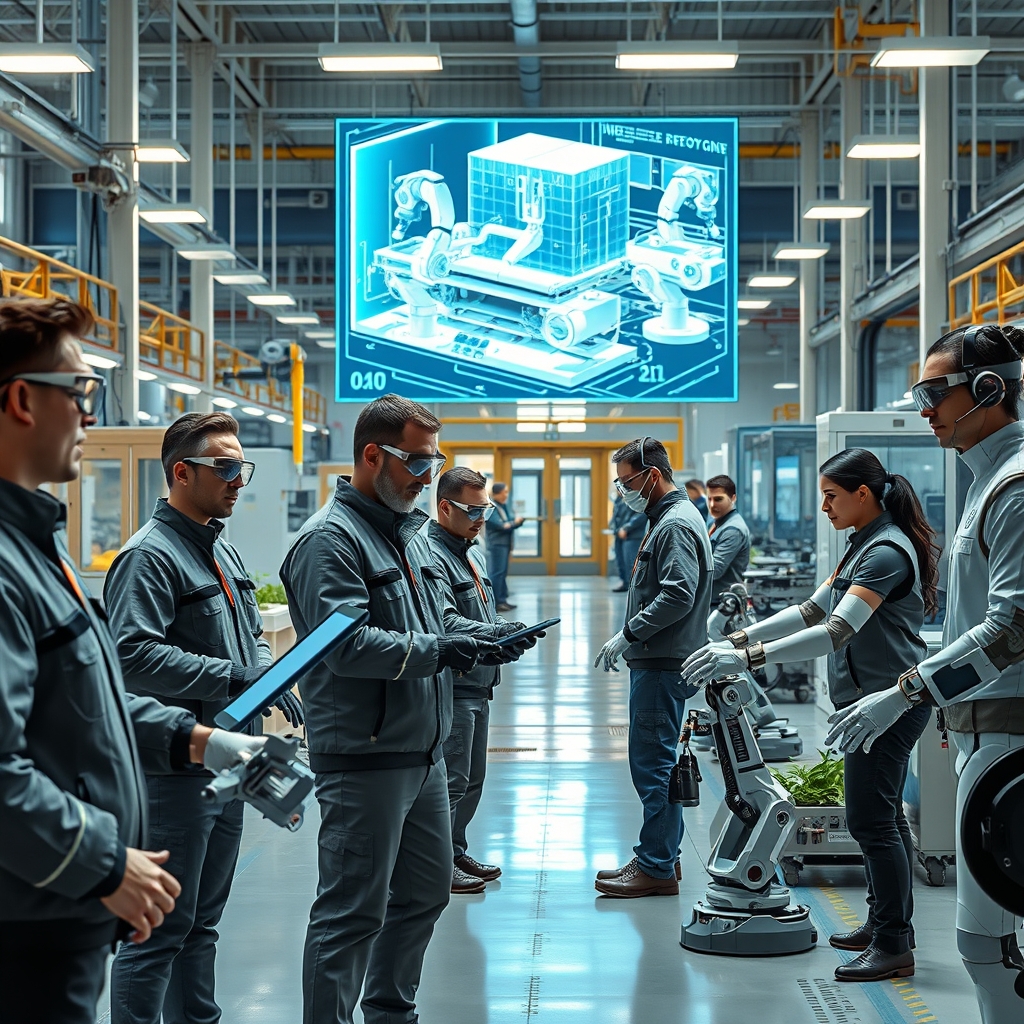
The modern manufacturing landscape is undergoing a seismic shift, driven by the relentless march of digital transformation. While terms like Smart Factory Integration and Digital Twin Manufacturing dominate industry conversations, there’s a quieter revolution unfolding—one that places humans at the heart of production. This paradigm, known as Human-Centric Production, is redefining how factories operate, ensuring that technology augments rather than replaces the workforce. The result? A more resilient, adaptive, and sustainable manufacturing ecosystem.
The Core Principles of Human-Centric Production
At its essence, human-centric production is about designing manufacturing systems that prioritize the well-being, skills, and decision-making capabilities of workers. Unlike traditional automation, which often seeks to minimize human intervention, this approach leverages technology to enhance human potential. Key principles include:
- Empowerment Through Technology: Tools like collaborative robotics (cobots) and real-time process analytics are deployed not to replace workers but to assist them. For example, cobots can handle repetitive or physically demanding tasks, freeing employees to focus on complex problem-solving or creative aspects of production.
- Continuous Learning: A tech-enabled workforce training system ensures that employees are upskilled to work alongside advanced technologies. Virtual reality (VR) simulations and augmented reality (AR) guides are increasingly used to train workers in a risk-free environment, accelerating their proficiency with new tools.
- Data-Driven Collaboration: By integrating predictive quality control and automated assembly insights, workers gain access to real-time data that informs their decisions. This shift from reactive to proactive problem-solving reduces downtime and improves product quality.
- Ethical and Inclusive Design: Human-centric production extends beyond the factory floor. It encompasses ethical sourcing transparency and customer-integrated design, ensuring that the entire supply chain aligns with the values of both workers and consumers.
How Smart Factories Enable Human-Centric Workflows
The rise of smart factories has often been associated with full automation, but the most successful implementations are those that strike a balance between machine efficiency and human ingenuity. Here’s how smart factories are enabling human-centric production:
1. Collaborative Robotics Deployment
Cobots are a cornerstone of human-centric production. Unlike industrial robots, which operate in isolation, cobots are designed to work alongside humans. They can be programmed to handle tasks like assembly, packaging, or quality inspection, while workers oversee their operation, intervene when necessary, and focus on higher-value activities. This collaboration not only boosts productivity but also reduces the physical strain on workers, leading to fewer injuries and higher job satisfaction.
2. Real-Time Process Analytics for Proactive Decision-Making
Smart factories generate vast amounts of data, but the true value lies in how this data is used to empower workers. Real-time process analytics provide employees with actionable insights, such as identifying potential bottlenecks or predicting equipment failures before they occur. For instance, a worker on the floor might receive an alert on their tablet indicating that a machine is operating outside optimal parameters, allowing them to adjust settings or schedule maintenance before a breakdown occurs. This level of visibility transforms workers into proactive problem-solvers rather than passive operators.
3. Digital Twins for Experiential Prototyping
Digital twin manufacturing allows companies to create virtual replicas of their production lines, enabling workers to simulate and test changes without disrupting physical operations. This technology is particularly valuable for experiential product prototyping, where teams can iterate designs in a digital environment before committing to physical production. Workers can experiment with different workflows, identify inefficiencies, and refine processes in a risk-free setting, fostering innovation and reducing time-to-market.
4. Sustainable and Lean Operational Excellence
Human-centric production is inherently aligned with lean operational excellence and sustainable supply chains. By involving workers in continuous improvement initiatives, factories can reduce waste, optimize energy use, and minimize their environmental footprint. For example, a team might use data from real-time analytics to identify opportunities for reducing material waste or improving energy efficiency. This not only benefits the bottom line but also aligns with the growing demand for ethical sourcing transparency and corporate sustainability.
The Role of Leadership in Fostering a Human-Centric Culture
Adopting a human-centric approach requires more than just technological investment—it demands a cultural shift within the organization. Leadership plays a pivotal role in this transformation by:
- Encouraging Worker Input: Employees on the front lines often have the best insights into operational challenges and opportunities. Leaders should create channels for workers to share their ideas and participate in decision-making processes.
- Investing in Upskilling: As technologies evolve, so too must the workforce. Companies should prioritize tech-enabled workforce training programs that equip employees with the skills needed to thrive in a smart factory environment. This could include training in data analysis, cobot operation, or digital twin simulation.
- Promoting Psychological Safety: A human-centric culture thrives when workers feel safe to experiment, make mistakes, and learn. Leaders should foster an environment where innovation is encouraged, and failures are viewed as opportunities for growth.
- Aligning Incentives: Reward systems should reflect the values of human-centric production. This might include recognizing teams that improve efficiency through collaboration, or celebrating workers who develop innovative solutions to operational challenges.
Case Study: A Human-Centric Approach in Action
One compelling example of human-centric production in action is Siemens’ Amberg Electronics Plant in Germany. The facility, often cited as a benchmark for Industry 4.0, has integrated digital twin manufacturing, collaborative robotics, and real-time analytics into its operations. However, what sets Amberg apart is its focus on empowering workers. Employees are trained to operate advanced technologies, and their input is actively sought in process improvements. The result is a factory where humans and machines work in harmony, achieving near-perfect production quality with minimal waste.
Another notable case is BMW’s use of cobots in its Spartanburg plant in the U.S. The automaker deployed cobots to assist workers with tasks like applying adhesive to car doors, reducing physical strain and improving precision. Workers were involved in the deployment process, providing feedback on cobot programming and workflow integration. This collaborative approach not only improved efficiency but also enhanced job satisfaction among employees.
Overcoming Challenges in Human-Centric Production
While the benefits of human-centric production are clear, implementing this approach is not without challenges. Common obstacles include:
- Resistance to Change: Workers and managers alike may be hesitant to adopt new technologies or workflows. Overcoming this resistance requires clear communication about the benefits of human-centric production, as well as involving employees in the transition process.
- High Initial Costs: Investing in technologies like cobots, digital twins, and real-time analytics can be expensive. However, the long-term gains in productivity, quality, and worker satisfaction often justify the upfront costs. Companies can also explore modular implementations, starting with pilot projects before scaling up.
- Data Overload: The sheer volume of data generated by smart factories can be overwhelming. To avoid paralysis by analysis, companies should focus on actionable insights and provide workers with the tools and training to interpret data effectively.
- Cybersecurity Risks: As factories become more connected, they also become more vulnerable to cyber threats. Robust cybersecurity measures, including employee training on best practices, are essential to protect sensitive data and maintain operational integrity.
The future of manufacturing lies not in choosing between humans and machines, but in harnessing the strengths of both. Human-centric production represents a paradigm shift—one where technology is not a replacement for workers but a powerful ally that enhances their capabilities. By embracing this approach, manufacturers can achieve greater agility, sustainability, and resilience, while also fostering a workplace culture that values and empowers its people. As smart factories continue to evolve, the factories that thrive will be those that recognize the irreplaceable value of human ingenuity, creativity, and adaptability. In this new era, the most successful manufacturers will be those that build not just smarter factories, but factories that work for the people who make them run.