The Alchemy of Adaptation: Forging Supply Chains in the Crucible of Change
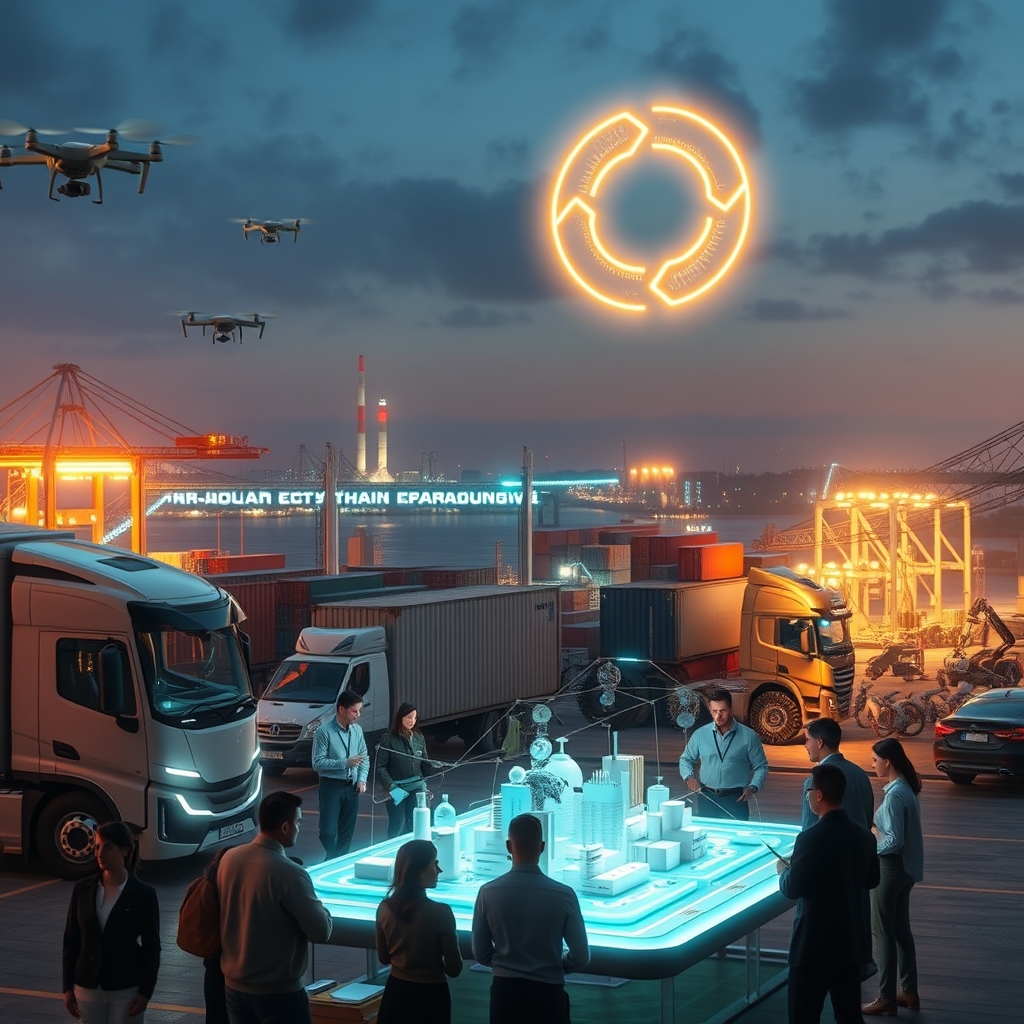
The modern supply chain is no longer a static, linear path from raw material to finished product. It is a living, breathing organism—pulsing with data, shaped by disruption, and constantly evolving in response to the pressures of a world in flux. The alchemy of adaptation has become the defining force in global trade, where resilience is not just a defensive strategy but a transformative one. Businesses that once relied on the predictability of Just In Time delivery now find themselves navigating a landscape where volatility is the only certainty. The question is no longer whether disruptions will occur, but how swiftly and creatively organizations can respond when they do.
The New Language of Strategic Sourcing
Strategic sourcing has transcended its traditional role as a cost-cutting mechanism to become a cornerstone of competitive advantage. Today, it is as much about foresight as it is about procurement. Companies are no longer merely negotiating prices; they are orchestrating ecosystems. The shift toward supplier diversification is not just a risk mitigation tactic—it is a deliberate act of designing flexibility into the very DNA of the supply chain. By cultivating a network of suppliers across geographies, industries can hedge against localized disruptions, whether they stem from geopolitical tensions, natural disasters, or unforeseen market shifts.
Yet diversification alone is not enough. The most forward-thinking organizations are embedding ethical sourcing and sustainable procurement into their strategic frameworks, recognizing that long-term viability depends on more than just financial metrics. Consumers and regulators alike are demanding transparency, accountability, and a commitment to environmental stewardship. The procurement function is now a balancing act—weighing cost efficiency against ethical imperatives, speed against sustainability, and short-term gains against enduring partnerships.
The Digital Backbone: Vendor Management Systems and Beyond
The digital revolution has not merely touched the supply chain; it has rewired it. Vendor Management Systems (VMS) have evolved from administrative tools into intelligent platforms that provide real-time visibility, predictive analytics, and automated decision-making. These systems are the nervous system of the modern supply chain, enabling organizations to monitor performance, assess risks, and optimize relationships with unprecedented precision. But the true power of digital procurement lies in its ability to break down silos. When integrated with B2B marketplaces and direct material sourcing platforms, VMS becomes a conduit for collaboration, allowing buyers and suppliers to co-create value in ways that were once unimaginable.
The rise of circular economy principles has further amplified the role of digital tools. Companies are now leveraging technology to track materials across their lifecycle, ensuring that waste is minimized and resources are reused. This closed-loop approach is not just an environmental imperative; it is a strategic one. By designing supply chains that prioritize reuse and recycling, businesses can reduce dependency on volatile commodity markets and insulate themselves from price shocks.
The Rhythm of Resilience: From Just In Time to Just In Case
The pandemic laid bare the vulnerabilities of the Just In Time (JIT) model, exposing its fragility in the face of systemic shocks. What was once hailed as a paragon of efficiency now appears as a high-stakes gamble. The response? A gradual but unmistakable shift toward Just In Case (JIC) strategies. This does not mean a wholesale abandonment of JIT—rather, it signifies a recalibration. Organizations are now striking a delicate balance between lean operations and strategic buffers. Inventory levels are being recalibrated, not to hoard but to hedge. Warehouses are no longer just storage spaces; they are dynamic hubs that enable agility.
This evolution is particularly evident in global logistics, where the focus has shifted from speed to adaptability. The once-linear flow of goods is now a web of interconnected routes, with multiple fail-safes built into the system. Green logistics is also gaining traction, as companies seek to reduce their carbon footprint while maintaining efficiency. Electric fleets, route optimization algorithms, and sustainable packaging are no longer niche experiments—they are becoming industry standards. The logistics of the future will not just move goods; it will do so with minimal environmental impact and maximal resilience.
The Human Element: Contract Manufacturing and the Art of Partnership
In the rush to digitize and optimize, it is easy to overlook the human element of the supply chain. Yet the relationships between buyers and suppliers remain its beating heart. Contract manufacturing has evolved from a transactional arrangement into a strategic partnership, where collaboration is as critical as cost. The most successful organizations are those that treat their suppliers not as vendors but as allies. This means investing in joint innovation, sharing risks and rewards, and fostering a culture of mutual trust.
The rise of risk mitigation frameworks has further underscored the importance of these relationships. Companies are no longer reacting to disruptions in isolation; they are proactively engaging with suppliers to identify vulnerabilities and co-develop solutions. This collaborative approach extends beyond immediate crises. It is about building a shared vision for the future—one where resilience is not just a buzzword but a lived reality.
The supply chain of tomorrow will not be defined by its ability to withstand disruption, but by its capacity to thrive in the face of it. It will be a tapestry woven from threads of innovation, collaboration, and adaptability—a living testament to the alchemy of change. The organizations that master this art will not just survive; they will redefine what it means to be resilient in an unpredictable world. The crucible of change is not a test to endure, but an opportunity to evolve, and those who embrace it will shape the future of global trade.