
The Digital Alchemy: How Central Bank Digital Currencies and Algorithmic Trading Are Redefining the Future of Financial Markets
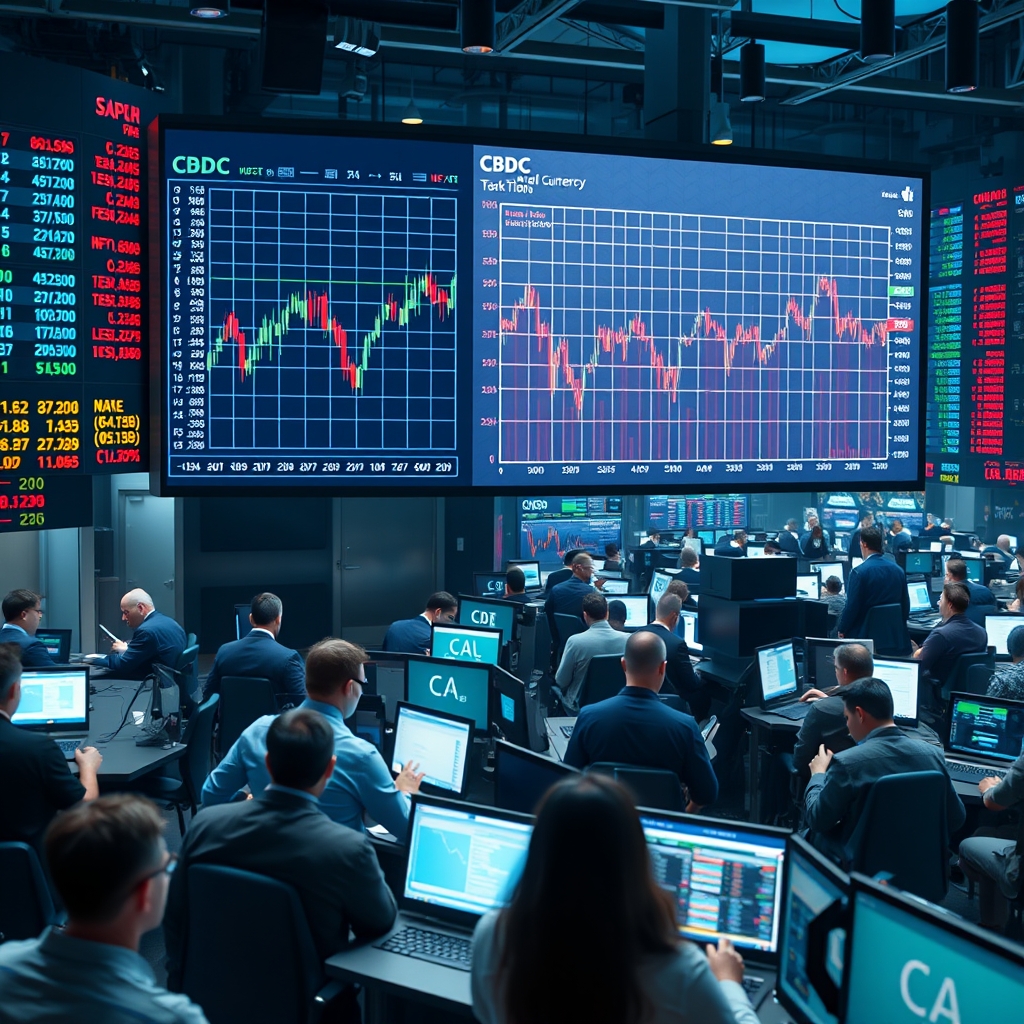
In the heart of the digital revolution, a silent transformation is underway, reshaping the very fabric of financial markets. Central Bank Digital Currencies (CBDCs) and algorithmic trading systems are not just tools; they are the alchemists of the modern financial landscape, turning data into gold and uncertainty into opportunity.
The Alchemy of Central Bank Digital Currencies
Imagine a world where money is not just a physical entity but a digital one, seamlessly integrated into our daily lives. This is the promise of Central Bank Digital Currencies (CBDCs). CBDCs are digital or virtual forms of a country’s fiat currency, issued and regulated by the central bank. They are designed to enhance the efficiency, security, and accessibility of monetary transactions.
The journey of CBDCs is not without its challenges. Issues such as privacy, security, and the potential for misuse are at the forefront of discussions. However, the potential benefits are immense. CBDCs could revolutionize cross-border payments, reduce transaction costs, and provide a more inclusive financial system.
The Role of Algorithmic Trading in the CBDC Landscape
Enter algorithmic trading, the invisible hand that guides the financial markets. Algorithmic trading systems use complex algorithms to execute trades automatically, based on predefined criteria. These systems can analyze vast amounts of data in milliseconds, identifying opportunities and executing trades faster than any human trader.
In the context of CBDCs, algorithmic trading systems can play a crucial role. They can help manage the supply and demand of CBDCs, ensuring stability and liquidity. Moreover, they can facilitate the integration of CBDCs into existing financial systems, making the transition smoother and more efficient.
The Digital Symphony of Algorithmic Trading
Algorithmic trading is not just about speed and efficiency. It’s about intelligence, adaptability, and the ability to learn from past experiences. These systems can continuously learn and adapt, improving their performance over time. They can also handle large volumes of transactions, making them ideal for the high-frequency trading that characterizes modern financial markets.
The symphony of algorithmic trading is a complex one, with different types of algorithms working together to create a harmonious financial ecosystem. High-frequency trading (HFT) algorithms, for instance, can execute thousands of trades in a single second, capitalizing on even the smallest price movements. Meanwhile, quantitative trading algorithms use mathematical models to identify trading opportunities.
The Intersection of CBDCs and Algorithmic Trading
The intersection of CBDCs and algorithmic trading is where the real magic happens. CBDCs provide a stable, secure, and efficient platform for algorithmic trading systems to operate. In turn, algorithmic trading systems can help manage the supply and demand of CBDCs, ensuring their stability and liquidity.
This symbiotic relationship is not just theoretical. Several central banks around the world are already exploring the potential of CBDCs, and algorithmic trading systems are a key part of their strategies. The future of financial markets, it seems, is not just digital; it’s algorithmic.
In the grand tapestry of financial innovation, CBDCs and algorithmic trading systems are the threads that are weaving a new narrative. They are the architects of a future where financial transactions are seamless, secure, and efficient. They are the alchemists who are turning data into gold and uncertainty into opportunity. As we stand at the precipice of this digital revolution, one thing is certain: the future of financial markets is not just digital; it’s algorithmic.