The Factory of Tomorrow: Weaving a Smart, Sustainable, and Resilient Future
The clatter and hum of traditional manufacturing are being replaced by the quiet, data-driven symphony of a new industrial era. We are standing at the confluence of digital transformation and environmental responsibility, where the concept of the factory is being fundamentally reimagined. This evolution is not merely about upgrading machinery; it’s about creating an intelligent, interconnected, and adaptive ecosystem. The modern ‘Smart Factory’ is the nexus of this revolution, a place where efficiency, agility, and sustainability are not competing priorities but integrated components of a single, powerful strategy.
The Digital Backbone: Intelligence in Motion
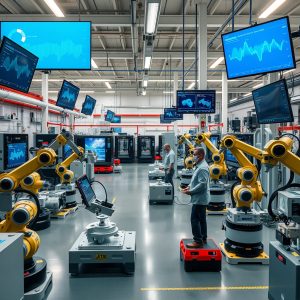
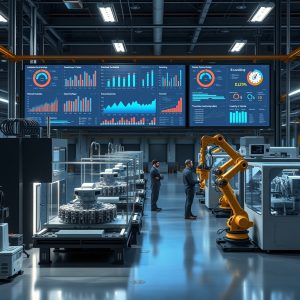
At the heart of the modern manufacturing plant lies its digital nervous system: the Industrial Internet of Things (IIoT). This vast network of sensors, machines, and systems communicates relentlessly, generating a torrent of data that provides unprecedented insight into every facet of the operation. IIoT is the foundation upon which true operational excellence is built, enabling a level of process control and optimization previously unimaginable.
This data feeds into one of the most transformative tools available today: Digital Twin Technology. Imagine creating a perfect, virtual replica of your entire production line, or even a single machine. With a digital twin, you can simulate changes, test new processes, and predict failures before they happen in the physical world. This capability is the engine behind Predictive Maintenance, a proactive approach that replaces rigid service schedules with intelligent, condition-based interventions. By anticipating equipment failure, companies can drastically reduce unplanned downtime, cut maintenance costs, and extend the life of their assets.
Automation and Integration for Seamless Flow
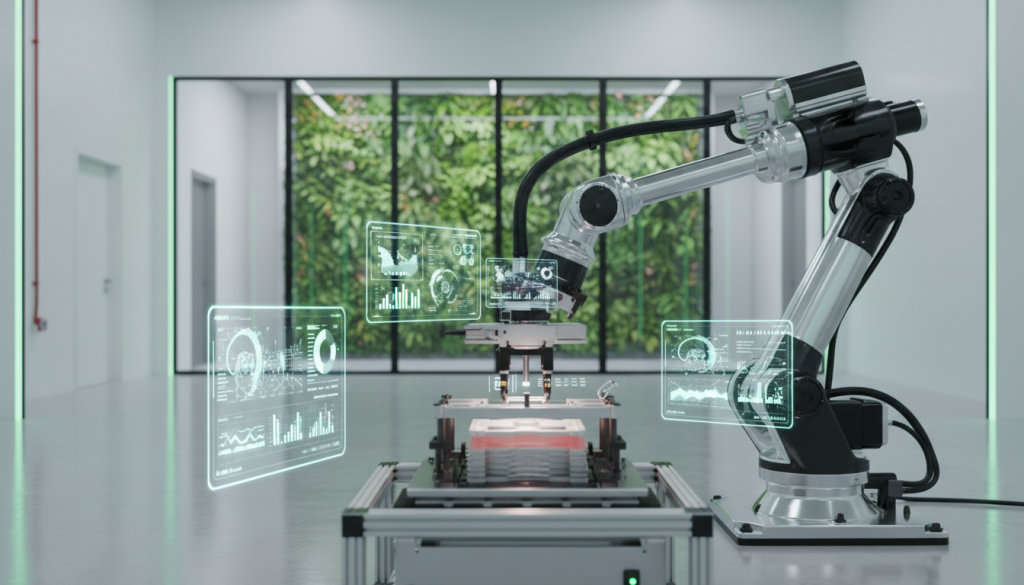
The pursuit of a frictionless workflow is further advanced by Robotic Process Automation (RPA) and Computer Integrated Manufacturing (CIM). While robotics handles the physical tasks with precision and endurance, RPA automates the repetitive, rule-based digital tasks—from order processing to inventory management. When combined, these technologies create a highly integrated environment where information flows as seamlessly as the products on the assembly line, minimizing human error and freeing up personnel for more strategic, value-added roles.
Rethinking Production for a Volatile World
The days of rigid, monolithic supply chains are numbered. Recent global disruptions have underscored the critical need for Supply Chain Resilience. The answer lies in agility and decentralization, principles embodied by technologies like Additive Manufacturing. More commonly known as 3D printing, this technology allows for the on-demand creation of complex parts and prototypes, radically shortening development cycles and reducing dependence on distant suppliers. This facilitates a move towards Just-In-Time Manufacturing, minimizing waste and inventory costs.
Furthermore, Additive Manufacturing is a key enabler of Distributed Manufacturing, a model where production is geographically spread out, often closer to the end consumer. This not only strengthens the supply chain against localized shocks but also reduces transportation costs and carbon emissions, contributing to a more efficient and responsive production network.
The Green Imperative: From Linear to Circular
The factory of the future must be as green as it is smart. The push for Sustainable Manufacturing is reshaping industrial philosophy, moving away from the traditional ‘take-make-dispose’ model towards a Circular Economy. The goal is to design waste out of the system, keeping materials and products in use for as long as possible. IIoT sensors play a crucial role here, monitoring energy consumption, water usage, and waste generation in real-time, identifying opportunities for reduction.
This shift is also driven by the development of Advanced Materials that are lighter, stronger, and more easily recycled. Coupled with Green Logistics, which optimizes transportation routes and modes to minimize environmental impact, manufacturing can significantly shrink its ecological footprint. This isn’t just about compliance or corporate responsibility; it’s about building a more efficient, resource-secure, and ultimately more profitable business model for the long term.
The Human Element: Quality, Skills, and the Future of Work
In this technologically advanced landscape, the human element remains indispensable, though its role is evolving. Rigorous Quality Management Systems, often guided by principles from the Six Sigma Methodology, are essential to ensure that automated processes deliver consistently superior products. The focus on data analysis and continuous improvement is more critical than ever.
This evolution demands a profound commitment to Workforce Reskilling. The skills needed on the factory floor are shifting from manual dexterity to data analytics, systems management, and robotics programming. Companies that invest in training their employees for these new roles will not only navigate the transition successfully but will also unlock new levels of innovation and productivity by empowering their people to work alongside intelligent systems.
Ultimately, the journey towards the factory of tomorrow is an integrated one. It’s the fusion of digital intelligence with sustainable principles, the marriage of automated precision with human ingenuity, and the creation of resilient systems that can adapt and thrive in a world of constant change. The true measure of success will not be found in any single technology, but in the harmonious orchestration of them all to build an industrial ecosystem that is not only profitable and efficient but also responsible and regenerative.