Mobile Money Platforms: Revolutionizing Financial Access in Developing Countries
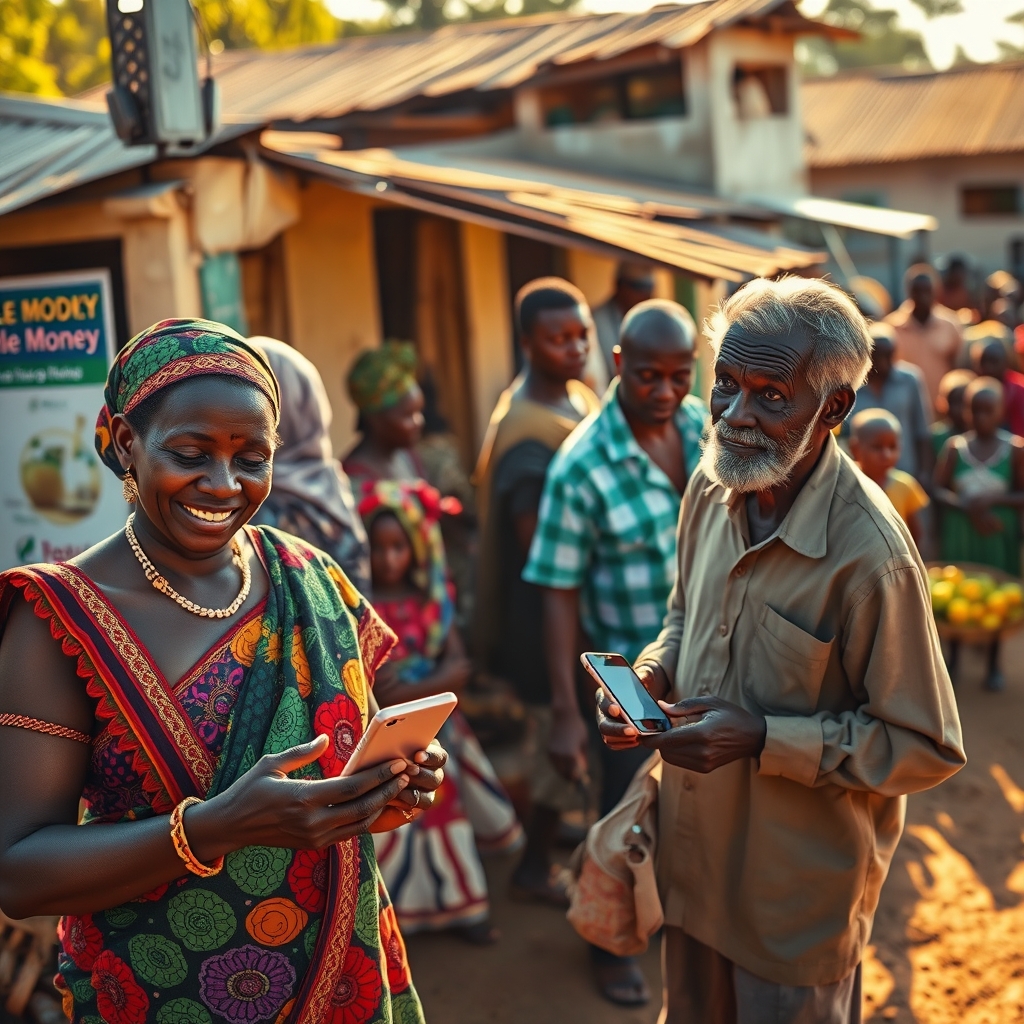
In an era where smartphones and digital connectivity are becoming ubiquitous, even in the most remote corners of the world, mobile money platforms are emerging as a transformative force in financial inclusion. These platforms are not just changing how people transact; they are redefining access to financial services, empowering millions who have long been excluded from traditional banking systems. For developing countries, where large segments of the population remain unbanked, mobile money is more than a convenience—it is a lifeline.
The Rise of Mobile Money in Developing Regions
The concept of mobile money is simple yet revolutionary: it allows users to store, send, and receive money using their mobile phones, often without the need for a bank account. This innovation has gained significant traction in regions where banking infrastructure is sparse, and financial exclusion is rampant. Sub-Saharan Africa, for instance, has become a global leader in mobile money adoption, with countries like Kenya, Tanzania, and Ghana setting benchmarks for success.
One of the most compelling aspects of mobile money is its ability to reach underserved populations, including women, rural communities, and low-income individuals. In many developing countries, women are disproportionately excluded from formal financial systems due to cultural, economic, or logistical barriers. Mobile money platforms have bridged this gap by providing a secure and accessible way for women to manage their finances, save money, and even access microloans. This financial autonomy has had a ripple effect, empowering women to invest in education, healthcare, and small businesses, thereby driving economic growth at the grassroots level.
Success Stories: How Mobile Money is Changing Lives
The impact of mobile money can be best understood through the success stories that have unfolded across developing regions. Kenya’s M-Pesa, launched in 2007, is often cited as the gold standard for mobile money platforms. What started as a simple service for sending and receiving money has evolved into a comprehensive financial ecosystem. Today, M-Pesa offers savings accounts, insurance products, and even international money transfers. Its success has been staggering: as of 2023, M-Pesa boasts over 50 million active users in Kenya alone, with transactions worth billions of dollars processed monthly.
Beyond Kenya, other countries have witnessed similar transformations. In Bangladesh, bKash has become a household name, with over 60 million registered users. The platform has enabled millions of people, particularly in rural areas, to access financial services for the first time. In Tanzania, mobile money platforms like Tigo Pesa and Airtel Money have played a crucial role in reducing poverty by facilitating small-scale entrepreneurship and improving access to credit. These success stories underscore the potential of mobile money to drive financial inclusion and economic development on a massive scale.
Overcoming Barriers to Financial Inclusion
Despite its rapid growth, mobile money is not without its challenges. One of the most significant hurdles is the digital divide—the gap between those who have access to mobile technology and those who do not. In many developing countries, smartphone penetration remains low, and internet connectivity is unreliable, particularly in rural areas. This limits the reach of mobile money platforms and excludes the most vulnerable populations from their benefits.
Another challenge is regulatory uncertainty. Mobile money operates in a complex legal landscape, where financial regulations often lag behind technological advancements. Governments and regulatory bodies must strike a balance between fostering innovation and protecting consumers from fraud, money laundering, and other risks. In some countries, overly restrictive regulations have stifled the growth of mobile money, while in others, lax oversight has led to exploitation and financial losses for users.
Security is also a critical concern. While mobile money platforms are generally secure, they are not immune to cyber threats. Phishing scams, SIM card swapping, and unauthorized transactions are some of the risks that users face. Providers must invest in robust security measures, such as biometric authentication and encryption, to safeguard user data and build trust in the system.
The Future of Mobile Money: Opportunities and Innovations
Looking ahead, the future of mobile money is brimming with opportunities. One of the most exciting developments is the integration of mobile money with other digital services. For example, platforms are increasingly offering microinsurance products, allowing users to protect themselves against health emergencies, crop failures, or other unforeseen events. This integration is particularly valuable in developing countries, where access to traditional insurance is limited.
Another promising trend is the use of mobile money for cross-border remittances. For millions of migrant workers, sending money home is a lifeline for their families. Mobile money platforms are making these transactions faster, cheaper, and more secure than traditional remittance services. This not only benefits individual users but also boosts the economies of receiving countries, where remittances often account for a significant portion of GDP.
Artificial intelligence and machine learning are also poised to revolutionize mobile money. These technologies can enhance fraud detection, personalize financial services, and improve customer support. For instance, AI-powered chatbots can provide users with instant assistance, while predictive analytics can help identify patterns in spending and savings, enabling users to make better financial decisions.
Building a More Inclusive Financial Ecosystem
The success of mobile money platforms hinges on collaboration between governments, financial institutions, telecom companies, and fintech startups. Public-private partnerships can play a pivotal role in expanding access to mobile money, particularly in underserved areas. Governments can create enabling regulatory environments, while telecom companies can invest in infrastructure to improve connectivity. Financial institutions, on the other hand, can leverage mobile money platforms to offer a wider range of services, such as loans and savings accounts, to unbanked populations.
Education and awareness are also critical. Many potential users, particularly in rural areas, may not fully understand how mobile money works or how it can benefit them. Financial literacy programs can help bridge this gap, teaching users how to safely and effectively use mobile money platforms. These programs can be delivered through community centers, schools, or even via mobile apps, ensuring that information reaches those who need it most.
As mobile money continues to evolve, it holds the promise of creating a more inclusive financial ecosystem—one where everyone, regardless of their location or socioeconomic status, has access to the tools they need to build a better future. The journey is far from over, but the progress made so far is a testament to the transformative power of innovation. With the right policies, investments, and partnerships, mobile money can unlock economic opportunities for millions, driving sustainable development and prosperity in some of the world’s most vulnerable communities. The stories of individuals and families whose lives have been changed by mobile money are a reminder of what is possible when technology and human ingenuity come together to break down barriers and create new possibilities.